
A Separable Connector is an important part of medium voltage cable connection systems. It is commonly used in switchgear, ring main units, transformers, cable branch boxes, compact substations, and underground distribution networks. In 15kV and 24kV systems, 600A deadbreak components are often selected when the connection point requires higher current capacity, stable insulation, and safer maintenance.
Selecting a Separable Connector is not only about voltage and current. The connector must match the bushing, busbar, cable size, cabinet layout, insulation requirement, and future maintenance method. If one part does not fit correctly, the whole system may become difficult to install, inspect, or expand.
For Medium Voltage Cable Accessories, a practical selection should start from the real system structure. The right Separable Connector helps improve contact stability, reduce installation risk, simplify accessory matching, and support long-term operation.
What Should You Confirm Before Selecting a 600A Separable Connector?
Voltage and Current Rating
The first step is to confirm whether the system requires 15kV or 24kV equipment and whether the circuit is designed for 600A operation. A 600A Separable Connector is usually used in deadbreak applications, which means it should be connected or disconnected only when the circuit is de-energized.
This matters because a loadbreak connector and a deadbreak connector may look similar in a product list, but their operating conditions are different. Before ordering, voltage class, current rating, insulation level, and equipment interface should be checked together.
Equipment Application
A Separable Connector may be installed on a transformer, ring main unit, switchgear cabinet, cable branch box, or compact substation. Each installation point has different space limits, cable directions, and interface requirements. If the cabinet is compact, the connector shape, cable bending radius, and bushing position should be reviewed before final selection.
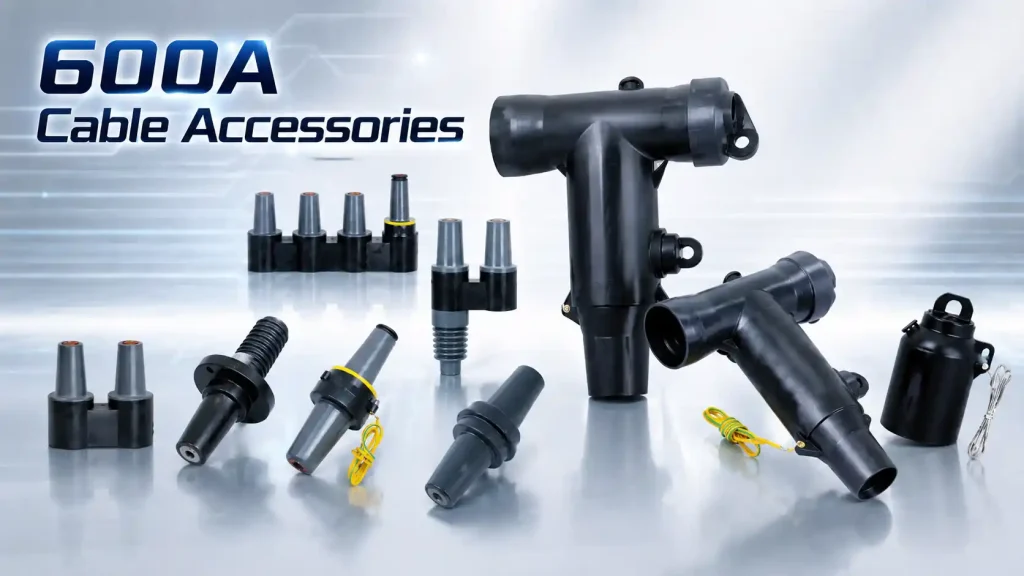
For 600A deadbreak systems, common options include JY TTL-15kV/24kV 600 Deadbreak T Connector, JY QJT-600 15kV/24kV 600A T-shaped American front connector, JY TIIT-/600 15kV/24kV 600A TIIT Deadbreak Connector, and JY TT-600 15kV/24kV 600AT Deadbreak Connector.
System Matching
A Separable Connector should not be selected as a single part. It should be matched with bushings, busbars, protective caps, cable lugs, and other Medium Voltage Cable Accessories. Good matching reduces installation delay, poor contact, and repeated model confirmation.
YIEOU’s product coverage can support this type of matching. When a project needs 600A deadbreak connectors, busbars, bushings, and insulated protective caps in one connection system, a coordinated product range can make selection clearer and reduce accessory mismatch.
How Do Busbars and Bushings Affect Separable Connector Performance?
Busbar Layout
In a 600A system, busbars organize circuit connections and support multiple incoming or outgoing cable routes. A busbar affects how the Separable Connector is arranged inside the equipment and whether the system can support future expansion.
JY MP-15/24KV 600A Busbar is suitable for standard 600A connection layouts. JY HMP-15kV/600A/-200A Mixed busbars can support systems that need both 600A and 200A interfaces. JY YMP-15kV 200A 600A Shaped busbar can be used when the equipment layout requires a shaped connection structure.
Bushing Compatibility
The bushing is the connection interface between the equipment and the Separable Connector. If the bushing does not match the connector, even the correct voltage rating may not be enough. Installation may become difficult, and electrical contact may not remain stable during long-term operation.
JY JCTG-15kV 600A Integral Deadbreak Bushing can be used for 600A deadbreak connection points. JY ZHT-15kV 600/200 Integral Deadbreak Bushing is useful when the system needs a combined 600A and 200A interface. These components help the Separable Connector fit the real cabinet structure, not only the catalog requirement.
Table 1: 600A Separable Connector Components and Selection Points
| Component Type | Example Model | Main Function | Selection Focus |
| 600A busbar | JY MP-15/24KV 600A Busbar | Connects 600A cable circuits | Voltage class, current rating, layout |
| Mixed busbar | JY HMP-15kV/600A/-200A Mixed busbars | Combines 600A and 200A interfaces | Expansion need and interface matching |
| Shaped busbar | JY YMP-15kV 200A 600A Shaped busbar | Supports special equipment layout | Cabinet space and connection direction |
| Deadbreak bushing | JY JCTG-15kV 600A Integral Deadbreak Bushing | Provides 600A equipment interface | Connector fit and insulation level |
| 600/200 bushing | JY ZHT-15kV 600/200 Integral Deadbreak Bushing | Links different interface ratings | Mixed system design |
| Protective cap | JY JYM-600 15kV 24kV 600A Insulated Protective Cap | Protects unused connection points | Sealing, insulation, and safety |
Why Are Insulation and Protection Details Important?
Insulation Reliability
A Separable Connector works in a medium voltage environment, so insulation performance directly affects safety and service life. Good insulation helps reduce partial discharge risk, flashover risk, and surface tracking. For Medium Voltage Cable Accessories, insulation should be considered together with voltage level, cable structure, installation environment, and long-term load condition.
The insulation quality of a Separable Connector is related to material selection, molding accuracy, interface fit, and production consistency. A stable insulation structure helps the connector perform reliably in humid, dusty, or temperature-changing environments.
Protective Cap Function
Not every interface is connected immediately after installation. Some systems reserve additional interfaces for future expansion, testing, or spare connections. In this situation, an insulated protective cap is necessary.
JY JYM-600 15kV 24kV 600A Insulated Protective Cap helps protect unused 600A interfaces. It prevents dust, moisture, and accidental contact from affecting the connection area. For a complete Separable Connector system, the protective cap should be treated as an essential accessory, not a minor optional part.
Operation Safety
A 600A deadbreak Separable Connector should be operated under proper de-energized conditions. Clear model identification and correct accessory matching can reduce operation mistakes, especially when several similar-looking components are installed in the same cabinet.
YIEOU’s 600A series includes different connector and accessory types, so model confirmation should be based on the actual system position. The selected part may be used as a T connector, bushing component, busbar accessory, or protective component.
How Should You Compare a Separable Connector Manufacturer or Supplier?
Product Coverage
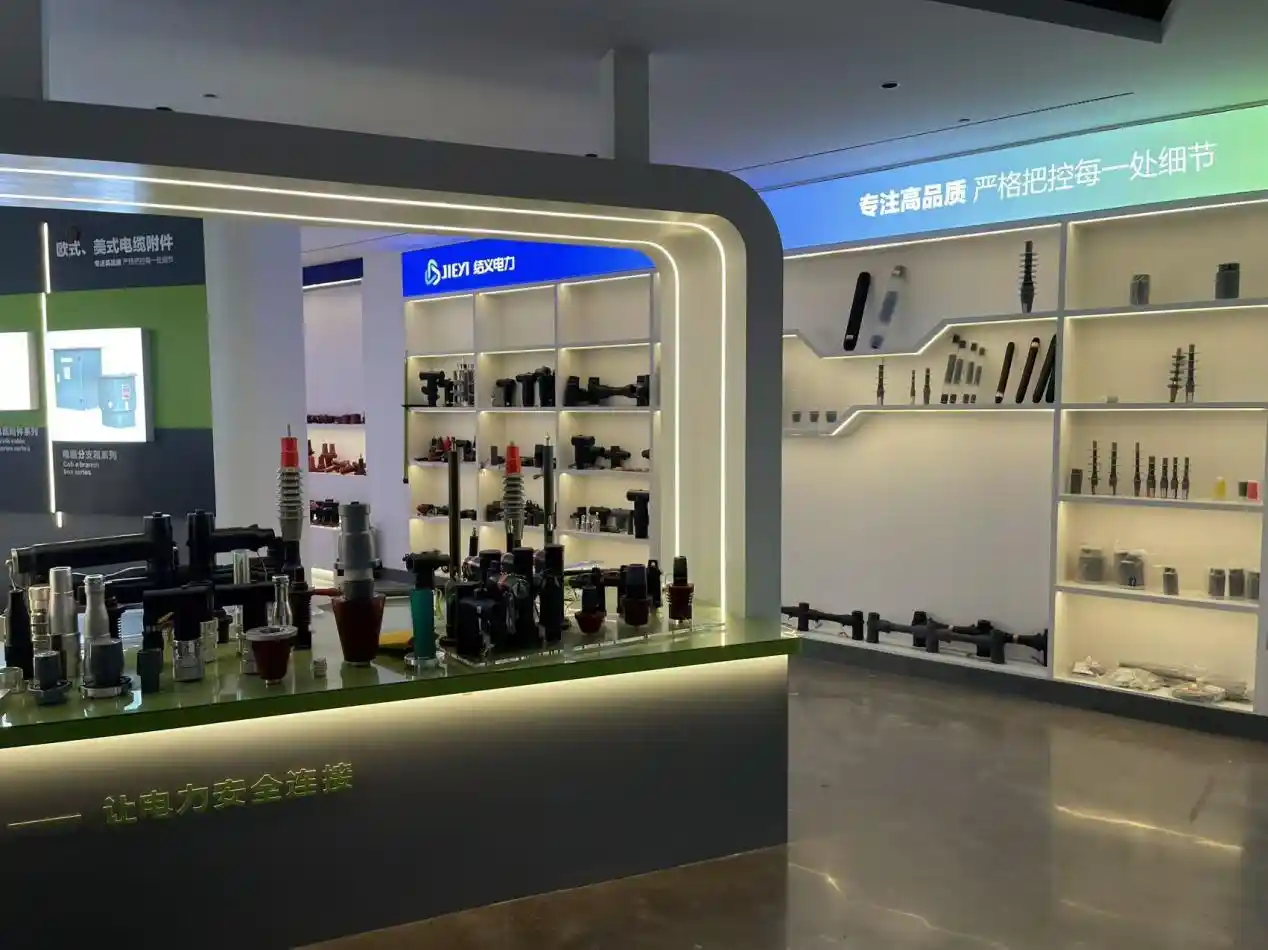
A strong Separable Connector supplier should provide more than one connector model. In many projects, the connector must be ordered together with busbars, bushings, insulated caps, and other Medium Voltage Cable Accessories. If these parts come from unrelated sources, model confirmation becomes more complex.
YIEOU covers several 600A series components, including deadbreak T connectors, shaped busbars, mixed 600A/200A busbars, integral bushings, and insulated protective caps. This product coverage allows the Separable Connector to be selected as part of a complete connection system.
Technical Confirmation
Before placing an order, the manufacturer should be able to review voltage class, current rating, cable size, equipment interface, and installation drawing. This is important for compact cabinets, transformers, and cable branch systems where space and interface matching are strict.
As a Medium Voltage Cable Accessories manufacturer and supplier, YIEOU can support model matching across 15kV and 24kV applications, especially when the project involves 600A deadbreak connectors, mixed 600A/200A interfaces, and related protective accessories.
Batch Consistency
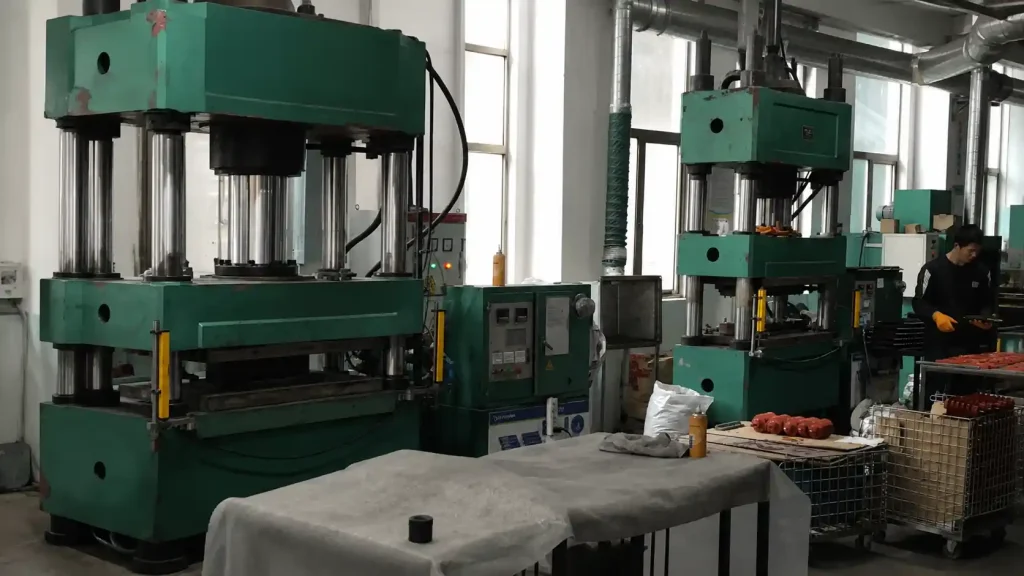
For repeated projects, consistency matters. A Separable Connector may be ordered in multiple batches, so the supplier should keep product structure, labeling, packaging, and accessory matching stable. A dependable factory should support standard models, reasonable customization, and clear communication before delivery.
Table 2: Key Checks Before Ordering a 600A Separable Connector
| Check Point | Why It Matters | What to Confirm |
| Voltage class | Prevents insulation mismatch | 15kV or 24kV system requirement |
| Current rating | Supports stable load operation | 600A connector and matched equipment |
| Connector type | Affects installation structure | T connector, front connector, rear connector |
| Bushing interface | Ensures mechanical and electrical fit | Integral deadbreak bushing compatibility |
| Busbar layout | Supports circuit arrangement | 600A, 200A, or mixed interface design |
| Protective accessories | Improves safety and service life | Insulated cap and sealing protection |
| Cable specification | Avoids installation difficulty | Cable size, lug type, and bending radius |
| Supplier support | Reduces ordering mistakes | Drawing review, model confirmation, delivery ability |
What Makes a Separable Connector Suitable for Long-Term Use?
A Separable Connector should maintain stable electrical contact during long-term operation. Contact resistance, interface pressure, conductor quality, and installation accuracy all affect temperature rise. If the contact is unstable, the system may face heating, insulation aging, or unplanned maintenance.
For 600A applications, this is especially important. Higher current requires a stable contact structure and a matched connection interface. The selected Separable Connector should fit the bushing correctly and follow proper installation procedures.
Medium voltage systems may also need future expansion or replacement. A Separable Connector system with matched busbars, bushings, and protective caps can make later adjustment easier. Mixed 600A and 200A structures are useful when different connection ratings are required in one system.
The best choice is not always the most complex model. A practical Separable Connector should match the real system requirement. If the project only needs a standard 600A deadbreak connection, a simple and stable configuration may be enough. If the system needs multi-circuit connection or future expansion, busbar and bushing planning becomes more important.
Conclusion
A Separable Connector plays an important role in 15kV and 24kV medium voltage distribution systems. For 600A deadbreak applications, selection should include voltage class, current rating, connector type, bushing compatibility, busbar layout, protective accessories, cable size, and installation space.
For Medium Voltage Cable Accessories, a matched system is usually more reliable than selecting each part separately. When comparing a manufacturer, supplier, or factory, it is better to focus on product coverage, technical confirmation, model consistency, and practical installation support.
YIEOU provides Separable Connector solutions and related Medium Voltage Cable Accessories, including 600A deadbreak connectors, busbars, bushings, and insulated protective caps for 15kV and 24kV distribution systems.