
Introduction
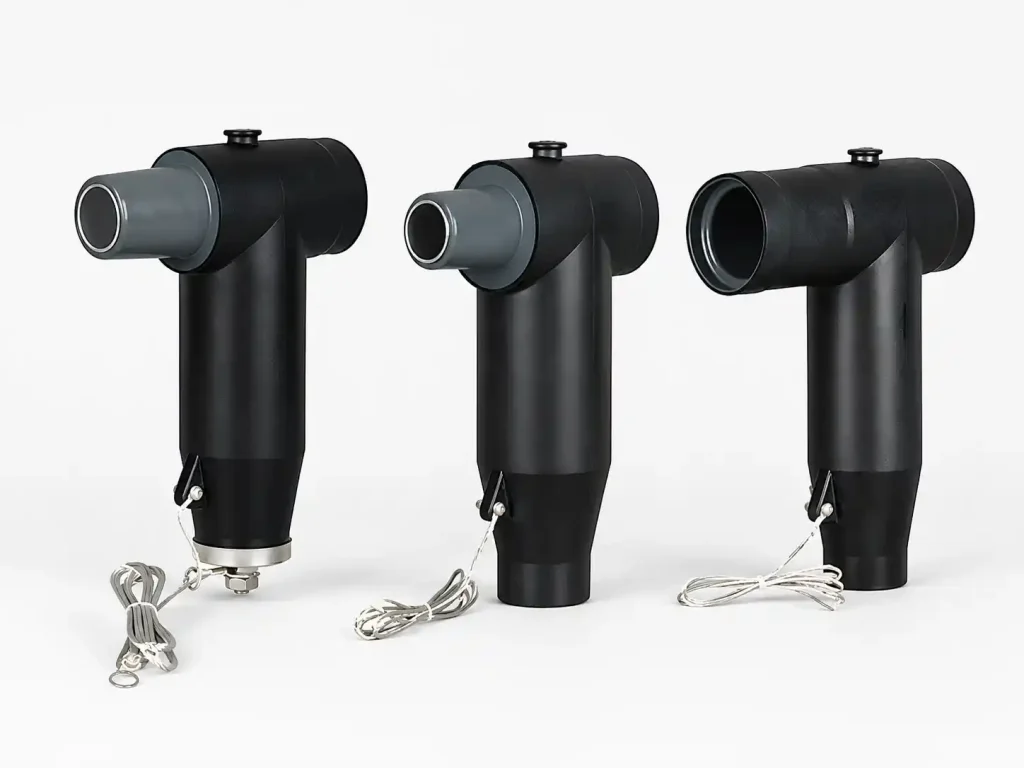
A Separable Connector is an essential component in medium voltage cable connection systems. It is mainly used to connect medium voltage cables with switchgear, ring main units, transformers, compact substations, cable branch boxes, and other power distribution equipment. In these systems, the cable connection point must do more than join two parts together. It must support insulation performance, stable current transmission, mechanical strength, environmental sealing, and long-term reliability.
Compared with a fixed cable termination, a Separable Connector provides a more flexible connection structure. It can support installation, inspection, testing, replacement, and system expansion under proper safety procedures. This makes it useful for medium voltage networks where cable routes, equipment layouts, and maintenance requirements may change over time.
Choosing the right connector is not only about choosing a model name. It requires checking voltage rating, current rating, cable size, equipment interface, installation space, sealing performance, and protection design. In many projects, a Separable Connector also needs to work with other Medium Voltage Cable Accessories, such as front connectors, rear connectors, T cable connectors, elbow surge arresters, rear-connected lightning arresters, insulation plugs, and screened connection parts.
A correctly selected connector can help improve cable connection reliability, reduce insulation risk, support safer equipment operation, and make future maintenance easier.
What Is a Separable Connector Used For?
This connector is used to create a reliable connection between a medium voltage cable and electrical equipment. It is commonly installed where cables need to connect with equipment bushings, screened interfaces, or cable connection points.
Cable-to-equipment connection
The basic role of the connector is to connect the cable to equipment such as switchgear, RMU, transformer, compact substation, or cable branch box. This connection must remain stable during long-term operation. If the connector is not matched correctly, the system may face overheating, poor contact, insulation stress, or unexpected failure.
A suitable connector helps create a controlled connection path between the cable conductor and the equipment interface. It also helps maintain the required insulation and shielding structure around the connection point.
Use in switchgear and ring main units
Switchgear and ring main units often require compact and safe cable connection structures. A Separable Connector can connect incoming and outgoing cable lines to the equipment bushing while keeping the connection organized. Because many switchgear and RMU systems have limited internal space, the connector must match the equipment layout and cable routing direction.
In these applications, the connector supports insulation performance, connection stability, and easier maintenance access. It also helps reduce the risk created by poor cable arrangement inside compact medium voltage equipment.
Use in transformers and compact substations
Transformers and compact substations often need medium voltage cable connections on the incoming side. The connector can help connect the cable to the transformer or substation interface in a clean and organized way. This is useful when the installation area is compact and the connection needs to remain accessible for future inspection.
In compact substations, the connector may be used together with front connectors, rear connectors, T cable connectors, or surge protection accessories depending on the system design. The goal is to create a complete connection system that is stable, insulated, and suitable for long-term service.
Use in cable branch boxes
Cable branch boxes are used to divide, extend, or manage medium voltage cable routes. The connector helps connect cables to the internal interface and supports flexible distribution network planning. In this type of application, the connector must provide reliable insulation, stable contact, and suitable sealing performance because the connection point may operate for many years under changing load and environmental conditions.
Why Is Connector Selection Important for Medium Voltage Cable Systems?
Choosing the right connector is important because the cable connection point is one of the most sensitive areas in a medium voltage system. Even if the cable and equipment are high quality, a poor connection can still create serious operating risks.
Electrical stress control
Medium voltage cable systems must manage electrical stress around the connection area. If the electrical field is not controlled properly, the system may face partial discharge, insulation aging, or breakdown over time. A suitable Separable Connector helps support better electrical stress control at the cable-to-equipment interface.
This is especially important in systems with continuous operation, high load demand, or strict reliability requirements. The Separable Connector should be selected according to voltage class, insulation structure, and cable design.
Stable contact performance
The connector must provide stable contact between the cable conductor and the equipment interface. Poor contact can lead to local heating, unstable operation, and damage to the connector or cable insulation. When choosing a Separable Connector, the rated current, conductor size, and equipment bushing must be checked carefully.
A properly matched Separable Connector should be able to carry the required current without overheating during normal operation. For many medium voltage systems, 630A designs are common, but the final choice should still follow the actual system requirements.
Insulation and sealing protection
Medium voltage connection points must be protected from moisture, dust, and contamination. Moisture ingress can reduce insulation performance and increase the risk of tracking, corrosion, or electrical failure. A well-selected Separable Connector supports better sealing and insulation protection.
This is important for compact substations, cable branch boxes, outdoor-related installations, and humid operating environments. In demanding conditions, the Separable Connector should be considered together with suitable Medium Voltage Cable Accessories so the entire connection system remains reliable.
Maintenance flexibility
One advantage of a Separable Connector is that it can make maintenance and replacement more practical under correct safety procedures. This does not mean the connector can be handled without professional operation. Medium voltage systems still require power isolation, testing, and safety control.
However, compared with some fixed cable termination structures, a Separable Connector can provide better access for inspection, replacement, and system modification. This helps improve long-term serviceability in distribution networks.
Table 1: Common Selection Problems and Better Choices
| Selection Problem | Possible Risk | Better Choice |
| Choosing only by appearance | Wrong interface or poor installation fit | Check equipment bushing, connector type, and cable structure |
| Ignoring voltage rating | Insulation stress or breakdown risk | Match the connector voltage class with the system voltage |
| Ignoring current rating | Overheating and reduced service life | Select a connector with suitable current carrying capacity |
| Poor cable size matching | Loose fit or difficult installation | Confirm conductor size, insulation diameter, and cable screen structure |
| No surge protection planning | Higher risk during lightning or switching overvoltage | Use suitable surge arresters when protection is required |
| Weak sealing consideration | Moisture ingress and insulation failure | Select suitable sealing structure for the operating environment |
How Do Different Separable Connector Types Match Different Applications?
Different applications require different connector structures. A Separable Connector should be selected according to voltage class, current rating, cable routing, equipment layout, and protection needs. In many medium voltage systems, front connectors, rear connectors, T cable connectors, and surge protection accessories are used together as part of a complete connection solution.
Front connector for main cable connection
A front connector is commonly used as the main cable connection to medium voltage equipment. It is suitable for applications where the cable needs to connect directly to switchgear, RMU, compact substation equipment, or other medium voltage interfaces.
For example, QJT 12/24-630A European Style Front Connector can be used in suitable 12/24kV-class systems where a front connection structure is required. When selecting this type of Separable Connector, the voltage level, current rating, cable size, and equipment bushing compatibility should be checked first.
Rear connector for system extension
A rear connector is often used when the system needs rear connection, cable extension, or a double-cable layout. It is usually installed behind a front connector to support a more flexible cable connection structure.
For example, HJT 12/24-630A European Style Rear Connector may be suitable for systems that require rear connection or additional cable routing. This type of Separable Connector is useful when the cable layout is more complex or when future expansion should be considered.
T cable connector for branching and higher-voltage systems
A T cable connector is often used in applications that require cable branching or a stronger medium voltage connection structure. It can support more complex cable layouts and higher-voltage connection requirements.
For example, JY TT-35kV 630A T Cable Connector can be used in suitable 35kV-class cable connection applications. This type of Separable Connector should be selected according to rated voltage, rated current, cable size, insulation diameter, and installation direction.
Surge arrester for overvoltage protection
Medium voltage systems may face overvoltage caused by lightning, switching operations, or network disturbances. In these situations, surge protection accessories can help reduce stress on cables and equipment.
For example, JY BLQ-17/50 17/50kV Elbow Surge Arrester can be used near cable connection points to support overvoltage protection. HBLQ-17/50 European Style Rear-Connected Lightning Arrester can be used in rear-connected systems where the protection accessory must match the connector structure.
Surge arresters are not selected only by appearance. They should match the system voltage, insulation level, protection coordination, and installation layout. When a Separable Connector is used with the correct arrester, the connection system can gain stronger protection against overvoltage impact.
Table 2: Common Connector and Accessory Options
| Product Type | Example Model | Typical Application |
| European Style Front Connector | QJT 12/24-630A European Style Front Connector | Main cable connection to switchgear, RMU, or compact substation equipment |
| European Style Rear Connector | HJT 12/24-630A European Style Rear Connector | Rear connection, cable extension, or double-cable layout |
| T Cable Connector | JY TT-35kV 630A T Cable Connector | Cable branching and 35kV-class medium voltage connection structures |
| Elbow Surge Arrester | JY BLQ-17/50 17/50kV Elbow Surge Arrester | Overvoltage protection near cable connection points |
| Rear-Connected Lightning Arrester | HBLQ-17/50 European Style Rear-Connected Lightning Arrester | Surge protection for rear-connected medium voltage systems |
What Factors Should Be Checked Before Choosing a Separable Connector?
A Separable Connector should be selected based on actual project conditions. The correct choice depends on electrical requirements, cable specifications, equipment interface, installation space, and operating environment.
Rated voltage
The voltage rating must match the system voltage. Medium voltage systems may include 12kV, 24kV, 35kV, or other project-specific voltage levels. The Separable Connector must be suitable for the voltage class of the cable and equipment.
If the rated voltage is not suitable, the connection point may face higher insulation stress. This can reduce reliability and increase the risk of failure, especially after long-term operation.
Rated current
The rated current must match the actual load requirement. Many medium voltage connector systems use 630A designs, but the final choice should still be based on system load, cable capacity, and equipment specification.
If the current rating is too low, the Separable Connector may overheat during operation. This can damage the connector body, cable insulation, and equipment interface.
Cable size and cable structure
The connector must match the cable conductor size, insulation diameter, cable screen, and outer structure. Cable preparation also affects final performance. Incorrect cutting, stripping, cleaning, or assembly can reduce insulation and contact quality.
Before selecting a Separable Connector, the cable specification should be confirmed clearly. This includes voltage class, conductor material, conductor size, insulation type, insulation diameter, and screen structure.
Equipment interface
Different switchgear, RMU, transformer, and cable branch box designs may use different bushing interfaces. The connector must match the equipment interface correctly.
A Separable Connector with poor interface compatibility can lead to installation difficulty, poor contact, or unsafe operation. For this reason, interface compatibility should be checked before confirming the connector model.
Installation space
Medium voltage equipment often has limited space around the cable connection area. The connector shape, direction, and installation method must fit the available space.
A front Separable Connector may be suitable for a direct cable connection. A rear connector may be needed for an extended layout. A T cable connector may be needed for cable branching. The selection should follow the real cable routing plan.
Environmental conditions
The operating environment affects connector performance. Humidity, dust, heat, outdoor exposure, and contamination can all influence insulation and sealing requirements.
In demanding environments, the selected Separable Connector should provide suitable sealing and insulation protection. Other Medium Voltage Cable Accessories may also be needed to complete the connection system.
Surge protection requirement
Some medium voltage systems require additional protection against lightning or switching overvoltage. In these cases, surge arresters should be considered during the design stage.
If surge protection is required, the arrester must match the Separable Connector structure, voltage level, and equipment layout. Correct protection coordination helps reduce damage risk and supports long-term system reliability.
How Can the Right Separable Connector Improve System Reliability?
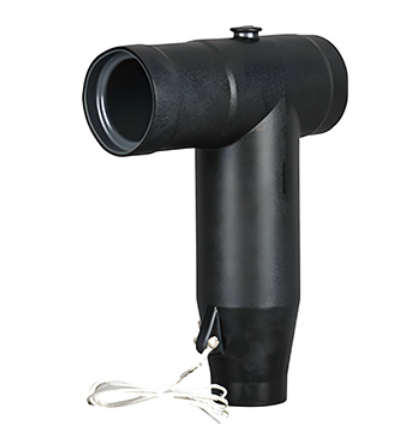
A correctly selected Separable Connector can improve medium voltage cable system reliability by supporting safer connection, better insulation, easier maintenance, and stronger adaptability for future expansion.
More reliable cable connection
The connector helps create a stable cable-to-equipment interface. When the Separable Connector matches the cable and equipment correctly, it can reduce the risk of poor contact, overheating, and connection instability.
This is important for medium voltage systems that operate continuously or supply key electrical equipment. A reliable connection point can also reduce repeated maintenance work caused by avoidable installation or matching problems.
Better insulation performance
A suitable Separable Connector helps maintain insulation performance around the connection point. It supports electrical stress control and helps reduce the risk of partial discharge or insulation aging.
When used together with suitable Medium Voltage Cable Accessories, the Separable Connector can form a more complete and reliable insulation system. This is especially important for systems that must operate safely over a long service period.
Easier maintenance and replacement
A separable structure can make inspection, testing, replacement, and system modification more convenient under proper procedures. This can reduce maintenance complexity and improve long-term serviceability.
For power distribution networks, easier maintenance is valuable because cable connection problems can affect system uptime and equipment safety. A well-selected Separable Connector gives the system a clearer maintenance path.
Stronger system expansion ability
Medium voltage networks may need future expansion, new cable routes, or equipment upgrades. A Separable Connector can support this flexibility better than many fixed connection structures.
Rear connectors, T cable connectors, and surge protection accessories can help adapt the connection system to different layouts and future requirements. This makes the complete cable connection design more adaptable.
Better overall accessory matching
The best performance comes from a complete matching system. A Separable Connector should not be selected as a single isolated part. It should be matched with the cable, equipment bushing, insulation plug, surge arrester, and other required accessories.
When all parts work together correctly, the system can achieve better electrical performance, mechanical stability, sealing protection, and long-term reliability.
Conclusion
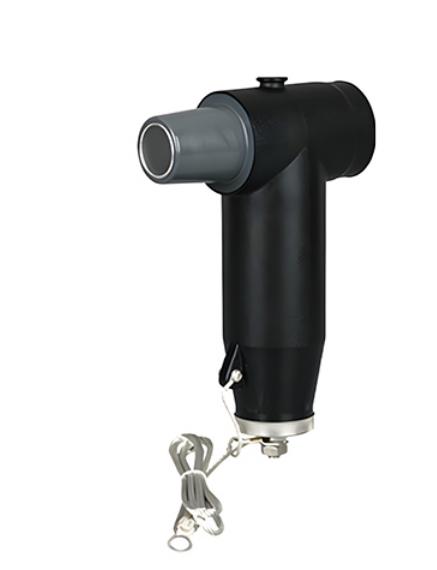
Choosing the right Separable Connector requires checking the full medium voltage cable connection system, not only the connector appearance or model name. The voltage rating, current rating, cable size, equipment interface, installation space, environmental conditions, and surge protection needs should all be considered before selection.
A suitable Separable Connector can help improve cable connection reliability, insulation performance, maintenance convenience, and system expansion flexibility. When used together with proper Medium Voltage Cable Accessories, such as front connectors, rear connectors, T cable connectors, elbow surge arresters, and rear-connected lightning arresters, it can support safer and more stable medium voltage power distribution.
For projects that require practical medium voltage cable connection solutions, YIEOU provides Separable Connector and related cable accessory options for different connection, protection, and application requirements.