
Introduction
A Separable Connector is an important component in medium voltage cable connection systems. It is used to connect medium voltage cables with electrical equipment such as switchgear, ring main units, transformers, compact substations, cable branch boxes, and other distribution devices. In these systems, the cable connection point is not a simple mechanical joint. It must provide electrical insulation, stable current transmission, mechanical strength, environmental sealing, and long-term operating reliability.
A good Separable Connector should make medium voltage cable connection safer, cleaner, and more convenient. Compared with a fixed cable termination, it offers a detachable connection structure that can support installation, testing, inspection, replacement, and system expansion under proper operating procedures. This is especially useful in power distribution networks where equipment layout, maintenance access, future upgrading, and system reliability all need to be considered from the beginning.
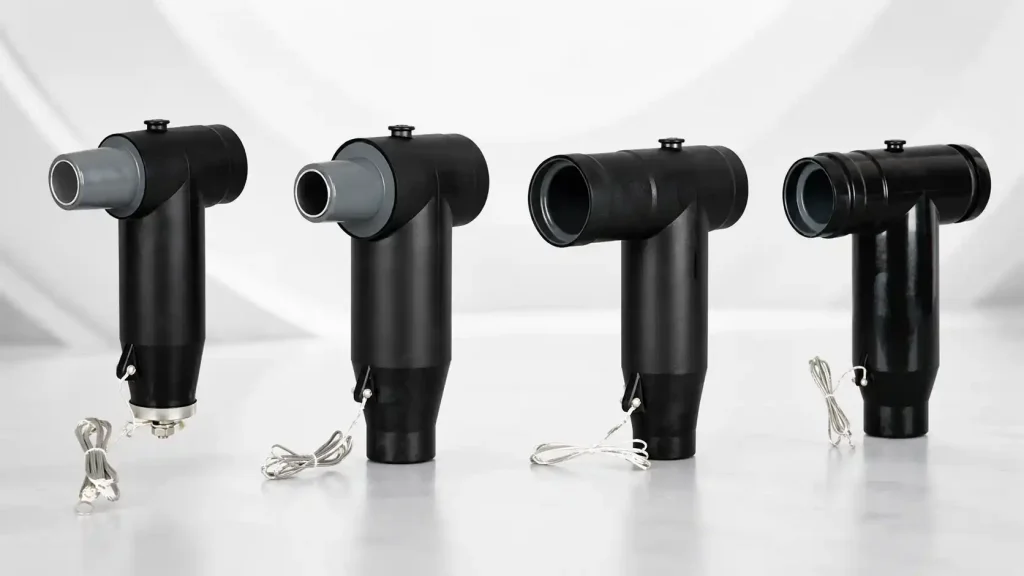
In a complete medium voltage cable connection solution, a Separable Connector may also work together with different Medium Voltage Cable Accessories, such as front connectors, rear connectors, T cable connectors, elbow surge arresters, rear-connected lightning arresters, insulation plugs, and screened connection parts. These accessories are not selected separately without purpose. They should match the system voltage, cable size, equipment interface, operating environment, and protection requirements.
For applications involving switchgear, RMUs, transformers, compact substations, and cable branch boxes, choosing the right Separable Connector helps reduce connection risks and improve the long-term stability of the distribution system. To understand what makes a good connector, it is necessary to look at function, safety, structure, product type, selection factors, and maintenance value.
What Basic Functions Should a Good Separable Connector Have?
A good Separable Connector should first perform its basic connection function correctly. In medium voltage systems, the cable connection point is exposed to electrical stress, mechanical pressure, environmental influence, and operating load. If the connector is not properly designed or correctly selected, the system may face overheating, insulation aging, partial discharge, poor contact, or unexpected interruption.
Reliable Cable-to-Equipment Connection
The main function of a Separable Connector is to connect a medium voltage cable to electrical equipment. This connection may be made to switchgear, a ring main unit, a transformer, a compact substation, or a cable branch box. The connector must fit the equipment interface accurately and create a stable electrical path between the cable conductor and the equipment terminal.
A good connector should not become loose under normal operation. It should maintain stable contact pressure, proper alignment, and reliable current transmission. In practical medium voltage systems, poor contact can generate heat, increase resistance, and shorten the service life of the cable connection. Therefore, the connection structure must be designed for both electrical performance and mechanical stability.
Strong Insulation Performance
Medium voltage cable systems require strong insulation around the connection point. The cable itself may have a carefully designed insulation layer, but the termination area is more complex because the cable conductor, insulation, shielding layer, and equipment interface all meet at one point. A good Separable Connector should control electrical stress and provide reliable insulation around this area.
Good insulation performance helps reduce the risk of flashover, discharge, moisture influence, and insulation breakdown. In many applications, the connector may be installed inside compact cabinets, outdoor substations, or enclosed cable compartments. These environments require the connector to maintain insulation reliability over a long period.
Stable Current Transmission
A Separable Connector must support the rated current of the system. For example, 630A connectors are commonly used in many medium voltage applications. However, the current rating must always match the actual system design, cable capacity, and equipment interface.
Stable current transmission means the connector can carry load current without abnormal heating. It also means the conductor connection must be secure, the contact surface must be suitable, and the installation must follow proper requirements. A good connector should help the system operate continuously without creating unnecessary thermal stress at the connection point.
Sealing and Environmental Protection
Medium voltage cable systems may be installed in different environments, including indoor distribution rooms, outdoor compact substations, underground cable networks, industrial sites, and humid areas. A good Separable Connector should provide effective sealing to reduce the influence of moisture, dust, contamination, and other environmental factors.
Sealing is not only about waterproofing. It also helps protect the insulation interface and maintain long-term electrical stability. In cable branch boxes, transformers, and outdoor RMU systems, sealing performance is especially important because environmental conditions may change significantly over time.
Mechanical Support and Installation Stability
A connector must also provide mechanical support. During installation, operation, inspection, and maintenance, the connection point may be affected by cable bending force, equipment vibration, cabinet space limitation, or handling pressure. A good Separable Connector should maintain a stable position after installation and should not create excessive stress on the cable or equipment bushing.
Mechanical strength is especially important when the connector is used in compact substations or cable branch boxes where installation space is limited. A well-designed structure makes installation easier and helps reduce the risk of incorrect assembly.
How Does the Right Separable Connector Improve System Safety?
Safety is one of the most important standards for judging whether a Separable Connector is good. Medium voltage systems carry higher electrical energy than low-voltage systems, so the connection point must be carefully controlled. A good connector improves system safety through insulation, shielding, grounding, sealing, surge protection, and stable contact performance.
Reducing Insulation Failure Risks
Insulation failure is one of the major risks in medium voltage cable systems. If electrical stress is not properly controlled at the cable connection point, the system may experience partial discharge, insulation tracking, flashover, or breakdown. A good Separable Connector helps create a controlled insulation structure around the cable end and equipment interface.
This is why connector selection should not only focus on size or appearance. Voltage rating, insulation level, equipment compatibility, and cable structure all matter. For example, a connector used in a 12/24kV system should not be selected in the same way as a connector used in a 35kV system. The higher the voltage level, the more carefully insulation coordination must be considered.
Supporting Screened Connection Design
Many medium voltage cable systems use screened connection structures to improve safety and electrical performance. A screened Separable Connector can help control the electric field around the connection area and reduce the risk of external touch voltage under normal installation conditions.
Screened design is especially useful in compact equipment compartments. It helps make the cable connection more organized and safer for system operation and maintenance. When the connector is correctly installed and properly grounded, it can support a safer medium voltage connection environment.
Improving Grounding Continuity
Grounding is another key part of medium voltage cable safety. The cable shielding layer, connector screen, equipment grounding point, and related accessories must work together properly. A good Separable Connector should support reliable grounding continuity so that fault current or induced voltage can be managed according to system design.
Poor grounding may increase safety risks and make fault conditions more dangerous. Therefore, grounding design should be checked during product selection and installation. This is also why Medium Voltage Cable Accessories should be selected as a coordinated system rather than as unrelated individual parts.
Helping Prevent Overheating
Overheating at the cable connection point can come from poor contact, incorrect conductor preparation, unsuitable connector size, improper installation, or current overload. A good Separable Connector helps reduce overheating risks by providing correct contact design, suitable current rating, and stable mechanical pressure.
However, even a good connector needs correct installation. Cable preparation, conductor connection, tightening process, cleaning, lubrication where required, and testing all affect final performance. Good product quality and good installation practice must work together.
Adding Surge Protection When Needed
Some medium voltage systems need surge protection at the cable connection point. Lightning strikes, switching operations, and abnormal system conditions may create overvoltage stress. In these situations, surge arresters can be used together with connector systems.
For example, an elbow surge arrester or rear-connected lightning arrester may be used to help protect transformers, switchgear, or cable systems from overvoltage impact. This is where products such as JY BLQ-17/50 17/50kV Elbow Surge Arrester and HBLQ-17/50 European Style Rear-Connected Lightning Arrester can be considered according to system requirements.
Which Separable Connector Type Should Be Used for Different Applications?
Different medium voltage systems need different connector structures. A good Separable Connector is not only good because of material or rating; it must also match the actual connection method. Front connectors, rear connectors, T cable connectors, elbow surge arresters, and rear-connected lightning arresters all have different roles.
Front Connector for Main Equipment Connection
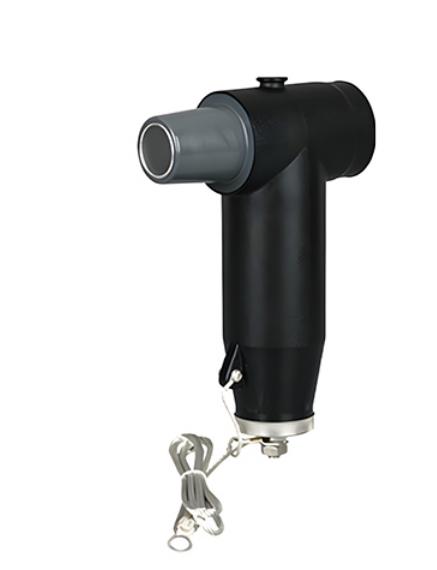
A front connector is commonly used for the main connection between a medium voltage cable and electrical equipment. For example, QJT 12/24-630A European Style Front Connector can be used in systems where a stable front-side cable connection is required.
This type of Separable Connector is often suitable for switchgear, RMUs, transformers, and compact substations. It provides a direct cable-to-equipment connection and helps build a neat, organized cable connection structure. When selecting a front connector, the voltage rating, current rating, cable size, and bushing interface should all be checked carefully.
Rear Connector for Extension and Combined Connection
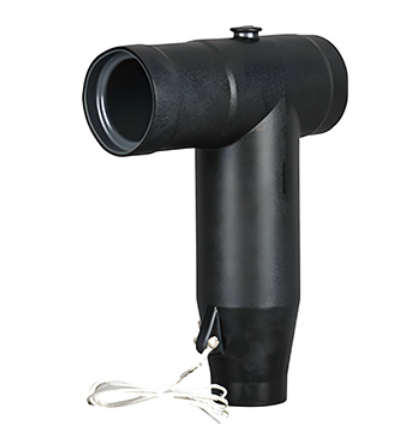
A rear connector is often used where rear-side connection or system extension is needed. For example, HJT 12/24-630A European Style Rear Connector can be used together with compatible front connection structures to support more flexible cable arrangements.
Rear connectors are useful in compact substations, cable branch boxes, and systems where future expansion may be required. They allow the cable connection system to be configured more flexibly, especially when more than one connection point or accessory is needed.
T Cable Connector for 35kV Systems
A T cable connector is used in medium voltage cable systems that require a T-shaped connection structure. For example, JY TT-35kV 630A T Cable Connector can be considered for 35kV cable connection applications where stable connection and suitable insulation performance are required.
In higher voltage systems, the selection of a Separable Connector must be more careful. The voltage level, insulation coordination, current rating, equipment interface, and installation environment should all be reviewed. A 35kV T cable connector is not selected only because of its shape. It must be chosen because it matches the system’s electrical and mechanical requirements.
Elbow Surge Arrester for Overvoltage Protection
An elbow surge arrester is used when the system needs surge protection at or near the cable connection point. JY BLQ-17/50 17/50kV Elbow Surge Arrester is an example of a product type used to support overvoltage protection in medium voltage connection systems.
This type of accessory can be useful in transformer connections, switchgear systems, and outdoor distribution networks where lightning or switching surges may affect equipment safety. It is not simply a connector; it is part of the wider protection design.
Rear-Connected Lightning Arrester for Integrated Protection
A rear-connected lightning arrester is another protection component used with connector systems. HBLQ-17/50 European Style Rear-Connected Lightning Arrester can be considered in systems where rear-side arrester installation is needed.
This structure can help save space and make the system layout more practical, especially in compact medium voltage equipment. When combined with suitable front or rear connector structures, it can help improve the protection level of the cable connection system.
Table 1: Common Separable Connector Types and Applications
| Separable Connector Type | Model Example | Main Function | Typical Application |
| European Style Front Connector | QJT 12/24-630A European Style Front Connector | Main cable-to-equipment connection | Switchgear, RMU, transformer, compact substation |
| European Style Rear Connector | HJT 12/24-630A European Style Rear Connector | Rear-side connection or extension | Cable branch box, compact substation, combined connection system |
| T Cable Connector | JY TT-35kV 630A T Cable Connector | T-shaped medium voltage cable connection | 35kV cable systems and distribution equipment |
| Elbow Surge Arrester | JY BLQ-17/50 17/50kV Elbow Surge Arrester | Overvoltage protection near the connection point | Transformer, switchgear, outdoor distribution system |
| Rear-Connected Lightning Arrester | HBLQ-17/50 European Style Rear-Connected Lightning Arrester | Rear-side lightning and surge protection | Medium voltage cable systems with compact layout requirements |
What Factors Should Be Checked Before Choosing a Separable Connector?
A good Separable Connector must match the actual project. Even a high-quality connector may not perform correctly if it is used in the wrong voltage level, wrong cable size, wrong equipment interface, or unsuitable environment. Selection should be based on a complete review of electrical, mechanical, and installation conditions.
Voltage Rating
Voltage rating is one of the first factors to check. A Separable Connector must match the system voltage and insulation level. Common systems may involve 12/24kV, 17/50kV, 35kV, or other medium voltage ratings depending on the project design.
Choosing a connector with an unsuitable voltage rating can create serious insulation risks. The connector must be selected according to the actual operating voltage, equipment requirement, and insulation coordination of the system. This is especially important in compact substations, switchgear cabinets, and transformer cable connections.
Current Rating
Current rating determines whether the connector can carry the load safely. Many medium voltage connector systems use 630A ratings, but the actual requirement depends on the load, cable capacity, equipment interface, and system operation mode.
If the current rating is too low, the connector may overheat under long-term operation. If it is selected correctly, it can support stable load current and reduce thermal stress at the connection point. Current rating should always be considered together with cable size and conductor connection quality.
Cable Size and Cable Structure
Cable compatibility is critical. The Separable Connector must fit the cable conductor size, insulation diameter, shielding structure, and cable type. If the cable is too large or too small for the connector range, installation may become difficult and sealing may become unreliable.
Cable preparation also affects performance. The insulation layer, semi-conductive layer, shielding layer, and conductor must be prepared correctly before installation. A good connector should provide a suitable structure for the cable type, but the final reliability also depends on proper installation work.
Equipment Interface
The connector must match the equipment bushing or connection interface. Switchgear, RMUs, transformers, compact substations, and cable branch boxes may use different interface structures. A front connector, rear connector, T connector, or arrester cannot be selected without confirming compatibility.
A mismatch between connector and equipment interface can cause poor installation, weak contact, insulation gaps, or mechanical instability. Before choosing a Separable Connector, the equipment interface should be checked with technical specifications.
Installation Environment
The installation environment affects sealing, insulation, and long-term reliability. Indoor distribution rooms may have relatively stable conditions, while outdoor compact substations may face temperature changes, humidity, dust, rain, and other environmental factors.
A good Separable Connector should be suitable for the real operating environment. In humid, dusty, or compact spaces, sealing and installation quality become more important. For outdoor and enclosed systems, long-term environmental resistance should be considered during selection.
Surge Protection Requirement
Not every cable connection system needs the same surge protection structure. Some systems may only need a front or rear connector, while others may need elbow surge arresters or rear-connected lightning arresters. This depends on the equipment value, system exposure, lightning risk, switching operation conditions, and protection design.
When surge protection is required, the arrester should be selected as part of the whole Medium Voltage Cable Accessories solution. It should match the voltage level, connector structure, and equipment interface.
Maintenance and Testing Access
A good connector should also support future maintenance. In many power distribution systems, inspection, testing, replacement, and expansion may be needed after installation. A Separable Connector can offer better flexibility than fixed termination structures, but maintenance access still depends on cabinet design and installation layout.
If the cable compartment is too narrow or the connector direction is unsuitable, later maintenance may become difficult. Therefore, maintenance space should be considered before final selection.
Table 2: Key Factors for Choosing a Good Separable Connector
| Selection Factor | Why It Matters | What to Check Before Selection |
| Voltage Rating | Ensures insulation compatibility with the system | 12/24kV, 17/50kV, 35kV, or project-specific voltage level |
| Current Rating | Supports safe load operation and reduces overheating risk | 630A or other required current rating |
| Cable Compatibility | Affects installation fit, sealing, and electrical reliability | Cable cross-section, insulation diameter, conductor type, shielding structure |
| Equipment Interface | Ensures correct mechanical and electrical connection | Switchgear, RMU, transformer, compact substation, cable branch box interface |
| Connector Structure | Matches the required connection method | Front connector, rear connector, T connector, elbow type, arrester type |
| Surge Protection | Helps reduce overvoltage damage risk | Whether elbow surge arrester or rear-connected lightning arrester is needed |
| Installation Environment | Influences sealing, insulation, and service life | Indoor, outdoor, humid, dusty, compact, or enclosed locations |
| Maintenance Access | Supports future inspection, testing, replacement, and expansion | Cable compartment space, operation direction, testing requirements |
How Can a Good Separable Connector Support Long-Term Maintenance?
A good Separable Connector does not only help during initial installation. It also supports the long-term operation and maintenance of the power distribution system. Medium voltage networks often need inspection, testing, equipment replacement, cable route changes, or future expansion. A detachable connection structure can provide practical advantages in these situations.
Easier Inspection and Testing
In medium voltage systems, regular inspection and testing can help identify possible problems before they become serious failures. A Separable Connector can support inspection and testing procedures when handled under correct safety requirements. Compared with permanent fixed terminations, a separable structure may make the connection point easier to access and manage.
This does not mean the connector should be disconnected casually. Medium voltage operations must follow proper safety procedures. However, from a system design perspective, separable construction provides better flexibility for planned inspection and maintenance.
More Convenient Replacement
If equipment needs to be replaced or upgraded, a good Separable Connector can make the process more manageable. For example, when a transformer, RMU, or cable branch box is replaced, a separable cable connection may reduce the complexity of the work compared with a permanently fixed connection.
This helps reduce downtime and improves maintenance efficiency. In industrial power distribution, renewable energy systems, urban distribution networks, and infrastructure projects, downtime can be costly. A connector that supports easier replacement can provide long-term value.
Better Support for System Expansion
Power distribution systems may expand over time. New equipment may be added, existing equipment may be upgraded, and cable routes may be adjusted. A good Separable Connector can support this flexibility when the system is designed properly.
For example, rear connectors and T cable connectors can help create more flexible connection structures. Surge arresters can be added where overvoltage protection is needed. A coordinated set of Medium Voltage Cable Accessories makes the whole system easier to adapt to future changes.
Reducing Long-Term Connection Risks
A well-selected and correctly installed connector can help reduce long-term risks such as overheating, moisture ingress, insulation aging, poor contact, and mechanical loosening. These risks may not appear immediately after installation, but they can gradually affect system reliability.
A good Separable Connector should maintain stable performance during long-term operation. It should fit the cable, match the equipment, maintain insulation integrity, support grounding continuity, and resist environmental influence.
Improving System Organization
In compact substations, switchgear rooms, and cable branch boxes, space is often limited. A well-designed connector system helps keep the cable connection area organized. This improves installation clarity and makes future maintenance easier.
Good organization also reduces the chance of incorrect operation. When connectors, arresters, and cable accessories are arranged logically, technicians can better understand the system layout during inspection or maintenance.
Conclusion
A good Separable Connector should provide reliable cable-to-equipment connection, strong insulation performance, stable current transmission, effective sealing, mechanical strength, grounding continuity, and long-term maintenance convenience. It should also match the system voltage, current rating, cable size, equipment interface, installation environment, and surge protection requirements.
In medium voltage power distribution systems, the connector is not an isolated component. It often works together with different Medium Voltage Cable Accessories, including front connectors, rear connectors, T cable connectors, elbow surge arresters, rear-connected lightning arresters, and other connection parts. Selecting these components as a coordinated system can help improve safety, reliability, and future expansion flexibility.
For projects involving switchgear, ring main units, transformers, compact substations, and cable branch boxes, YIEOU provides Separable Connector solutions such as JY BLQ-17/50 17/50kV Elbow Surge Arrester, HBLQ-17/50 European Style Rear-Connected Lightning Arrester, HJT 12/24-630A European Style Rear Connector, QJT 12/24-630A European Style Front Connector, and JY TT-35kV 630A T Cable Connector. These options can support reliable medium voltage cable connection needs in different power distribution applications.