
Introduction
A Separable Connector plays an important role in medium voltage cable connection systems where reliability, safety, and serviceability must be considered together. In many power distribution environments, the cable connection point is not just a simple electrical contact. It must support stable current transmission, electrical insulation, mechanical strength, sealing protection, and long-term operating performance.
In medium voltage systems, cables are often connected to switchgear, ring main units, transformers, compact substations, cable branch boxes, and other distribution equipment. These systems may operate in demanding environments where moisture, dust, heat, compact cabinet layouts, and future maintenance needs all affect connection design. A poor connection can lead to overheating, insulation stress, unstable operation, and difficult maintenance. Because of this, the structure and quality of the cable connector matter greatly.
A Separable Connector provides a practical solution because it allows the cable connection to be installed, inspected, tested, disconnected, or replaced under proper operating procedures. Compared with fixed connection methods, this type of connector supports more flexible system planning. It is especially useful in projects where equipment layout, cable routing, future expansion, and maintenance access must be considered from the beginning.
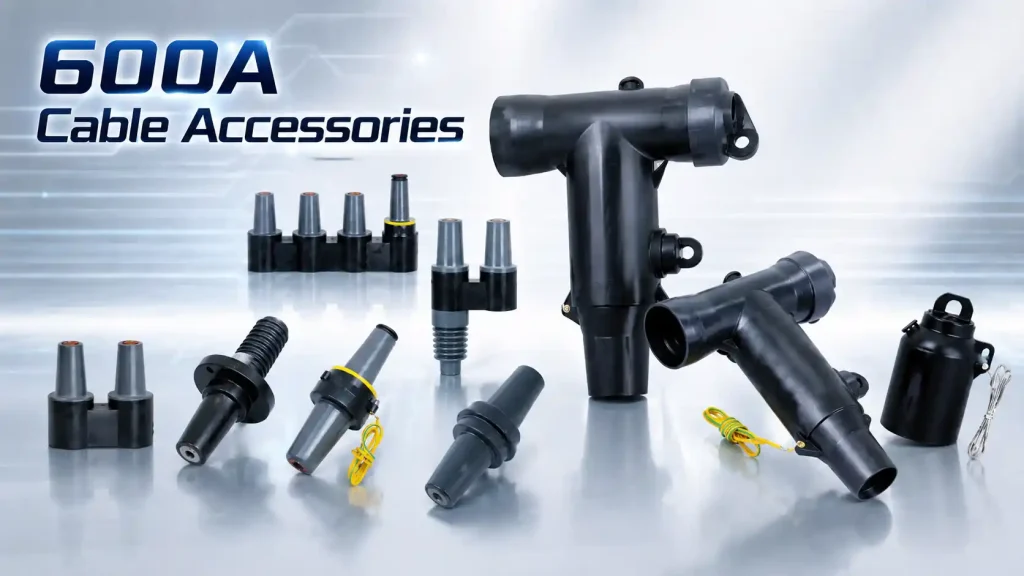
A complete cable connection system may also include different Medium Voltage Cable Accessories, such as T connectors, deadbreak connectors, front connectors, busbars, bushings, insulated protective caps, and related interface components. These accessories work together to build a safe and compatible connection structure between the cable and the equipment.
This article explains how a Separable Connector supports reliable cable connections, what technical factors affect its performance, how related cable accessories work together, and what should be checked before selecting a suitable solution for medium voltage applications.
What Is a Separable Connector Used for in Cable Connections?
A Separable Connector is mainly used to connect medium voltage cables with electrical equipment in a way that supports both electrical performance and maintenance flexibility. It is commonly applied in power distribution networks, transformer connection systems, switchgear cabinets, ring main units, compact substations, and cable branch boxes.
The key value of a Separable Connector is that it creates a structured and serviceable connection point. Instead of treating the cable end as a permanent fixed termination, the separable structure allows the connection to be matched with a defined equipment interface. This helps improve installation quality, maintenance access, and system adaptability.
Connecting Cables with Medium Voltage Equipment
In medium voltage distribution systems, cables often need to connect with equipment that has specific interface requirements. These interfaces may include bushings, busbar systems, T-type structures, front connection points, or deadbreak connection points. A Separable Connector helps create a controlled connection between the cable and these equipment interfaces.
For example, in a switchgear cabinet, the cable entry point must be electrically stable and mechanically secure. In a transformer connection system, the cable connector must match the bushing interface and provide reliable insulation around the connection area. In a cable branch box, several cable routes may need to be organized in a compact space, so the connection structure must be clear, safe, and easy to manage.
A Separable Connector supports these requirements by combining cable termination, interface matching, and insulation protection into one structured connection solution. This makes it suitable for systems where installation accuracy and long-term performance are both important.
Making Cable Systems Easier to Install and Maintain
One major advantage of a Separable Connector is its serviceable structure. In many medium voltage projects, future maintenance is not optional. Cables may need to be tested, equipment may need to be replaced, and distribution routes may need to be adjusted. A separable design gives the system more flexibility.
When a cable connection needs inspection, a well-designed Separable Connector can make the process more manageable. Under proper safety procedures, technicians can disconnect, test, replace, or reconfigure parts of the connection system. This is especially useful in distribution networks where downtime, access space, and maintenance efficiency matter.
The separable structure also helps during initial installation. Instead of relying only on field-made fixed connections, installers can use compatible connector and accessory combinations to build a more standardized connection point. This can reduce installation uncertainty and improve consistency across similar projects.
Working with Related Cable Accessories
A Separable Connector usually does not work alone. It often functions as part of a larger system of Medium Voltage Cable Accessories. These may include busbars, integral deadbreak bushings, insulated protective caps, T connectors, front connectors, and deadbreak connectors.
Each accessory has a specific function. A busbar may support internal connection and layout. A bushing may provide the equipment-side interface. A T connector may support cable termination and connection. An insulated protective cap may protect unused interfaces. When these parts are correctly matched, the whole connection system becomes safer, cleaner, and easier to maintain.
This system-based approach is important because medium voltage cable connections are affected by more than one component. The connector, cable, bushing, busbar, insulation structure, and protective accessories must all work together.
Why Does a Separable Connector Need Strong Insulation and Sealing?
A Separable Connector must provide more than a mechanical connection. In medium voltage systems, insulation and sealing are core performance requirements. The connector must control electrical stress, protect the connection interface, and reduce the risk of performance degradation caused by external conditions.
A cable connection point is often one of the most sensitive parts of a power distribution system. If insulation is weak, the connection may be exposed to partial discharge, surface tracking, or electrical breakdown risks. If sealing is poor, moisture and dust may enter the connection area and reduce long-term reliability. For this reason, insulation and sealing should always be evaluated carefully.
Insulation for Stable Medium Voltage Operation
Medium voltage systems require stable insulation around the cable termination and equipment interface. A Separable Connector must help control the electric field near the connection area and reduce stress concentration. This is especially important where the cable conductor, insulation layer, shielding layer, and connector interface meet.
Good insulation performance helps the cable connection remain stable under normal operating voltage and during system stress conditions. It also helps prevent surface discharge and insulation aging. In many systems, insulation reliability directly affects the service life of the cable connection.
For applications involving 15kV or 24kV class systems, the connector structure must match the voltage level and installation environment. The insulation material, interface design, creepage distance, and sealing structure should all be suitable for the actual project requirements.
Sealing Against Dust, Moisture, and Harsh Conditions
Dust, moisture, condensation, and pollution can affect cable connection reliability. In indoor cabinets, condensation may appear because of temperature changes. In outdoor equipment, rain, humidity, sand, and environmental contaminants may create additional stress. In compact substations and cable branch boxes, heat and limited ventilation may also affect the connection area.
A Separable Connector with proper sealing helps protect the internal contact and insulation interface. This is important because even small amounts of moisture or contamination can weaken insulation performance over time. Sealing also helps reduce the risk of corrosion, surface leakage, and unstable contact conditions.
For long-term reliability, the sealing structure should match the installation environment. A connector used in a clean indoor switchgear room may face different conditions from one used in an outdoor cable branch box or compact substation. Selection should always consider the actual operating environment, not only the electrical rating.
Reliable Contact During Long-Term Use
Electrical contact stability is another important factor. A Separable Connector must maintain secure contact pressure and stable mechanical fit. If the contact area is loose or poorly matched, it may increase contact resistance. Higher resistance may cause heating, energy loss, and premature aging.
Mechanical stability also affects insulation performance. If the connector does not fit the bushing or accessory interface correctly, the connection may experience uneven stress. Over time, vibration, thermal expansion, and maintenance operations may further affect the connection.
A reliable Separable Connector should provide stable interface matching, proper contact design, and durable insulation protection. These features help the connection remain stable during long-term operation.
How Do Cable Accessories Work Together with a Separable Connector?
A medium voltage cable connection system usually depends on several accessories working together. The Separable Connector is one of the key parts, but its performance also depends on the compatibility of bushings, busbars, protective caps, and other connection components.
When these parts are selected and installed correctly, they create a complete and organized connection solution. This helps improve system safety, layout flexibility, and maintenance convenience.
Busbars for System Layout
Busbars are used to support electrical connection and system arrangement inside medium voltage equipment. In some projects, standard busbars are enough. In other projects, mixed busbars or shaped busbars may be needed because of different cabinet layouts or interface requirements.
Busbar selection affects how the connection system is arranged. A compact cable branch box may require a different layout from a larger switchgear system. A shaped busbar can support special space requirements, while a mixed busbar may help connect different interface structures.
When used with a Separable Connector, the busbar must match the system current requirement, voltage level, and mechanical interface. Poor matching may cause installation difficulty or unstable connection performance.
Bushings for Equipment Interfaces
Bushings provide the equipment-side interface for cable connection. In many medium voltage systems, the connector must fit onto a bushing that is already installed in the equipment. Therefore, bushing compatibility is one of the most important selection points.
Integral deadbreak bushings are often used in systems where safe connection and disconnection procedures are required. The bushing structure helps create a defined interface between the cable connector and the equipment. When matched properly, it supports stable insulation and mechanical contact.
A Separable Connector must be selected according to the bushing type, voltage level, current rating, and interface design. If the connector and bushing are not compatible, the connection may not be safe or reliable.
Connectors for Cable Termination
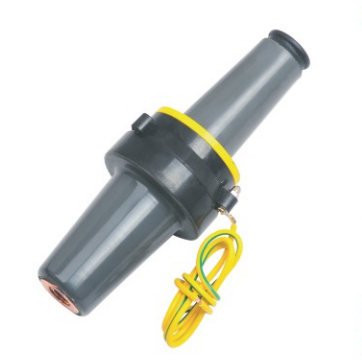
Different connector structures are used for different cable connection needs. T connectors, front connectors, and deadbreak connectors each have their own application logic. A T connector may be used where the system requires a T-shaped cable connection layout. A front connector may be suitable for front-side access. A deadbreak connector is generally used in systems where connection and disconnection are performed under de-energized conditions.
The correct Separable Connector type depends on system layout, equipment design, cable direction, maintenance access, and operating requirements. Choosing only by model name is not enough. The connector must match the actual connection method.
Protective Caps for Unused Interfaces
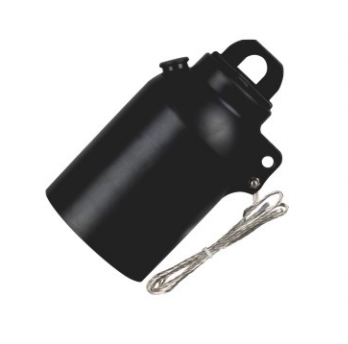
Unused interfaces should not be ignored. In medium voltage systems, an exposed or unused interface may still need protection. An insulated protective cap can help protect the interface from dust, moisture, accidental contact, and environmental damage.
Protective caps are especially useful in systems where future expansion is planned. If an interface is reserved for later use, it should remain protected until the next connection is installed. This helps maintain the safety and cleanliness of the system.
Table 1: Common Accessories Used with a Separable Connector System
| Component Type | Model Examples | Main Function | Typical Use |
| Busbar | JY MP-15/24KV 600A Busbar | Supports internal connection and system layout | Switchgear, cable branch boxes |
| Mixed Busbar | JY HMP-15kV/600A/-200A Mixed Busbars | Helps connect different interface structures | Compact distribution systems |
| Shaped Busbar | JY YMP-15kV 200A 600A Shaped Busbar | Supports special cabinet layouts | Customized medium voltage equipment |
| Integral Deadbreak Bushing | JY JCTG-15kV 600A Integral Deadbreak Bushing | Provides equipment-side connection interface | Switchgear, transformers |
| Integral Deadbreak Bushing | JY ZHT-15kV 600/200 Integral Deadbreak Bushing | Helps match different interface requirements | Medium voltage cable systems |
| Insulated Protective Cap | JY JYM-600 15kV/24kV 600A Insulated Protective Cap | Protects unused connection interfaces | Cable accessories and equipment interfaces |
| Deadbreak T Connector | JY TTL-15kV/24kV 600 Deadbreak T Connector | Supports cable termination and connection | Medium voltage distribution networks |
| Front Connector | JY QJT-600 15kV/24kV 600A T-shaped American Front Connector | Provides front-side cable connection | Switchgear and cable connection systems |
| Deadbreak Connector | JY TIIT-/600 15kV/24kV 600A TIIT Deadbreak Connector | Supports secure deadbreak connection | Equipment cable interfaces |
| Deadbreak Connector | JY TT-600 15kV/24kV 600AT Deadbreak Connector | Helps complete medium voltage cable connection | Distribution equipment and cable systems |
What Should You Check Before Selecting a Separable Connector?
Selecting a Separable Connector should be based on system requirements, not only product appearance or a single rating. A reliable choice depends on voltage level, current requirement, interface structure, cable specification, installation environment, and maintenance needs.
A medium voltage cable connection is a system-level decision. The connector must match the cable, the equipment, and the accessory structure. If one part is mismatched, the whole connection may become difficult to install or unreliable during operation.
Voltage and Current Requirements
The first step is to check the system voltage and current requirements. A Separable Connector must be suitable for the voltage class of the project, such as 15kV or 24kV applications. The insulation structure must be able to support the system voltage under normal operating conditions.
Current rating is also important. The connector and related accessories must match the load level and equipment requirement. If the current rating is not suitable, the connection may overheat or operate unstably. The cable size, conductor material, equipment interface, and expected load profile should all be considered.
Instead of selecting a connector only by one parameter, it is better to review the full electrical requirement of the system. This helps avoid under-selection and improves long-term reliability.
Interface Compatibility
Interface compatibility is one of the most common selection challenges. A Separable Connector must match the bushing, busbar, cable termination structure, and installation direction. Even if two parts have similar electrical ratings, they may not be mechanically compatible.
For example, a T connector must match the correct equipment interface and cable arrangement. A front connector must suit the cabinet access direction. A deadbreak connector must match the required deadbreak bushing or related interface. Busbars and protective caps must also fit the system design.
Before selecting the connector, it is useful to confirm the equipment drawing, cable specification, interface type, and accessory list. This reduces installation problems and helps the project move more smoothly.
Installation Environment
The installation environment affects connector selection. A Separable Connector used in an indoor switchgear cabinet may face different challenges from one used in an outdoor cable branch box. Temperature, humidity, dust, pollution, and available installation space can all influence performance.
In humid environments, sealing performance is especially important. In dusty or industrial environments, surface protection and material durability should be considered. In compact cabinets, connector size, cable bending radius, and installation direction are important.
A good selection should not only meet electrical parameters but also match the physical environment. This helps prevent premature aging and maintenance problems.
Maintenance and Future Expansion
Many cable systems need to support future testing, replacement, or expansion. A Separable Connector is useful because it can make these operations more manageable under proper procedures. However, not every connector structure provides the same level of convenience.
When selecting a connector, it is helpful to ask whether the system may need future cable route changes, added equipment, testing access, or reserved interfaces. If expansion is likely, related Medium Voltage Cable Accessories such as protective caps, busbars, and compatible bushings should also be considered.
A connection system designed only for the current layout may become difficult to modify later. A more flexible connection structure can reduce future project complexity.
Table 2: Key Factors When Selecting a Separable Connector
| Selection Factor | What to Check | Why It Matters |
| Voltage Rating | System voltage such as 15kV or 24kV | Helps ensure insulation safety and system compatibility |
| Current Rating | Load level and equipment requirement | Reduces overheating and unstable operation |
| Connector Type | T connector, front connector, deadbreak connector | Matches the system connection method |
| Bushing Interface | Equipment-side interface structure | Prevents installation mismatch |
| Busbar Layout | Standard, mixed, or shaped busbar | Supports cabinet and network layout |
| Protective Accessories | Insulated protective caps and related parts | Improves safety at unused interfaces |
| Installation Environment | Indoor, outdoor, humid, dusty, or compact space | Affects material and sealing requirements |
| Cable Specification | Cable size, insulation type, and conductor structure | Ensures correct termination and fitting |
| Maintenance Needs | Testing, inspection, replacement, future expansion | Supports long-term system flexibility |
| Equipment Design | Switchgear, transformer, RMU, or cable branch box interface | Helps select compatible Medium Voltage Cable Accessories |
Where Is a Separable Connector Commonly Used?
A Separable Connector is widely used in medium voltage cable connection systems because it supports reliable connection, structured installation, and easier maintenance. Its applications cover many types of power distribution equipment and project environments.
The specific connector structure may vary by system, but the basic purpose remains similar: to create a safe, stable, and serviceable cable connection point.
Switchgear and Ring Main Units
Switchgear and ring main units require reliable cable interfaces because they are key parts of medium voltage distribution networks. A Separable Connector helps connect incoming and outgoing cables to the equipment while maintaining insulation and mechanical stability.
In these systems, compact space is often a challenge. The connector must fit the cabinet layout and allow enough room for installation and inspection. Related accessories such as bushings, T connectors, and busbars help complete the connection structure.
For ring main units, flexible cable connection can support network expansion and route adjustment. This makes the separable structure useful in both new installations and distribution upgrades.
Transformers and Compact Substations
Transformers and compact substations also commonly use medium voltage cable connections. The cable connector must match the transformer bushing or equipment interface and provide reliable insulation around the connection point.
A Separable Connector can help make transformer cable connections more organized and serviceable. In compact substations, where equipment space is limited, a well-matched connector and accessory system can improve installation efficiency and reduce layout complexity.
For outdoor compact substations, sealing and environmental protection become more important. The connector should be selected according to both electrical requirements and environmental exposure.
Cable Branch Boxes and Distribution Networks
Cable branch boxes are used to divide, extend, or manage cable routes in medium voltage distribution systems. Because these boxes may include several cable connection points, the connection system must be clear and reliable.
A Separable Connector supports this type of application by creating removable and organized connection points. Busbars, T connectors, and protective caps may be used together to support different cable layouts and reserved interfaces.
In distribution networks, future expansion is often needed. A separable connection system makes it easier to plan for additional cable routes or equipment changes.
Renewable Energy and Industrial Power Systems
Renewable energy projects, industrial facilities, and large power distribution systems often include medium voltage cable connections. Solar power stations, wind power projects, factories, industrial parks, and utility distribution networks may all require stable cable interfaces.
In these applications, reliability is especially important because cable connection problems can affect power delivery and equipment operation. A Separable Connector helps support long-term stability by improving interface matching, insulation protection, and maintenance flexibility.
Industrial environments may also involve dust, vibration, heat, or high operating demand. Choosing suitable Medium Voltage Cable Accessories can help the whole connection system adapt to these conditions.
How Can a Separable Connector Improve Long-Term Cable System Reliability?
Long-term reliability depends on more than the connector itself. It depends on whether the full connection system is designed, selected, installed, and maintained correctly. However, the Separable Connector is a central part of this system because it directly affects the cable-to-equipment interface.
A reliable connector can help reduce connection problems, improve maintenance efficiency, and support safer system operation over time.
Reducing Connection Risks
A properly selected Separable Connector helps reduce the risk of loose connection, poor contact, insulation weakness, and environmental damage. It creates a more controlled connection structure than a poorly matched or improvised solution.
When the connector matches the cable, bushing, and accessory system, the electrical and mechanical interface becomes more stable. This can help reduce overheating, stress concentration, and installation errors.
Supporting Easier Inspection and Testing
Medium voltage cable systems often require regular inspection or testing. A separable structure can make these tasks easier when handled under correct safety procedures. Instead of replacing a complete fixed connection, technicians may be able to inspect or service specific parts of the connection system.
This improves maintenance efficiency and supports better long-term asset management. For systems with multiple cable routes, this flexibility can be especially valuable.
Improving System Planning
A Separable Connector also supports better system planning. When engineers know that connections can be organized with compatible accessories, it becomes easier to design cable routes, equipment interfaces, and future expansion points.
This is important in projects where space is limited or where distribution networks may expand later. A well-planned accessory system can reduce future modification difficulty.
Conclusion
A Separable Connector supports reliable cable connections by combining electrical performance, insulation protection, mechanical stability, sealing, and serviceability. In medium voltage systems, the connection point between the cable and equipment must be safe, compatible, and durable. This is why connector selection should consider voltage rating, current requirement, interface structure, installation environment, and future maintenance needs.
A complete connection solution often includes different Medium Voltage Cable Accessories, such as busbars, integral deadbreak bushings, T connectors, front connectors, deadbreak connectors, and insulated protective caps. These accessories work together to create a stable and flexible cable connection system for switchgear, ring main units, transformers, compact substations, cable branch boxes, and distribution networks.
For projects that require reliable medium voltage cable connection solutions, YIEOU provides Separable Connector products and related accessories, including T connectors, deadbreak connectors, busbars, integral deadbreak bushings, insulated protective caps, and other Medium Voltage Cable Accessories for different cable system requirements.