
Medium voltage cable connections are critical points in power distribution systems. Whether the system is used in switchgear, compact substations, ring main units, cable branch boxes, transformers, or other electrical equipment, the cable connection must remain safe, stable, and easy to maintain over time. A weak connection may lead to overheating, insulation problems, difficult inspection, limited expansion, or unexpected downtime.
This is why the Separable Connector plays an important role in medium voltage cable systems. Instead of making the cable connection a fixed and difficult-to-service point, a Separable Connector creates a more structured, insulated, and serviceable interface between the cable and electrical equipment. It helps solve several common problems related to safety, installation, maintenance, layout flexibility, and long-term reliability.
As one type of Medium Voltage Cable Accessories, a Separable Connector is not only about connecting a cable to a device. It is also about helping the entire cable system work more safely and efficiently. When the right connector structure is selected for the voltage level, current rating, cable size, equipment interface, and installation environment, the connection becomes easier to manage throughout the system lifecycle.
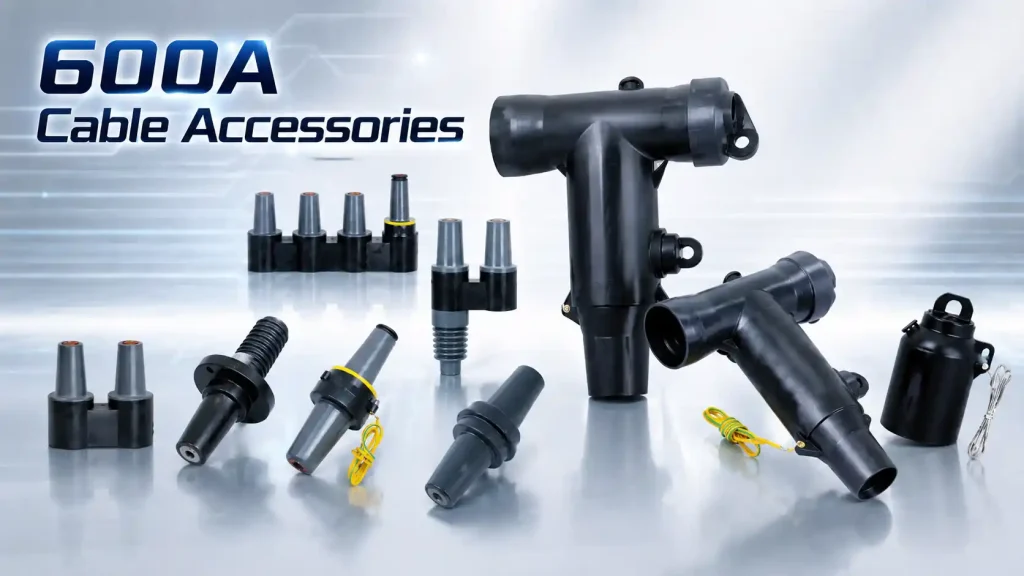
What Cable Connection Problems Can a Separable Connector Solve?
One of the most direct problems a Separable Connector helps solve is the difficulty of making a reliable connection between a medium voltage cable and electrical equipment. In many projects, cables must connect to switchgear, transformers, compact substations, ring main units, or branch boxes. Each piece of equipment may have its own interface design, available space, and installation requirements.
A traditional or poorly matched connection method can create problems from the beginning. The cable may be difficult to position, the connection angle may not be ideal, or the interface may not provide enough stability for long-term operation. In compact equipment, the problem becomes more obvious because there may be limited space for cable bending, insulation clearance, and maintenance access.
A Separable Connector helps create a cleaner and more defined connection structure. It gives the cable a suitable interface with the equipment, helping reduce the risk of loose connection, poor contact, installation mismatch, and disorderly cable arrangement. For medium voltage systems, this is especially important because the connection point must handle electrical stress as well as mechanical force.
Interface Matching
Many cable connection problems begin with interface mismatch. The cable, connector, bushing, and equipment must match each other. If one part is not suitable, the whole connection may become difficult to install or unreliable in operation.
A Separable Connector helps reduce this problem by providing a more standardized connection method. It allows the cable side and equipment side to work together in a more controlled way. This makes the system easier to design, install, inspect, and maintain.
Cable Organization
Medium voltage equipment is often compact, especially in modern power distribution systems. When cable connections are not organized properly, the equipment cabinet may become crowded. This makes future inspection and maintenance more difficult.
A Separable Connector helps keep cable connections clearer. It supports better cable routing and helps technicians understand the connection layout more easily. This is valuable for systems that may need future adjustment, testing, or expansion.
Connection Reliability
The connection point must remain stable during operation. Poor contact can cause heat buildup, insulation aging, or even failure. A suitable Separable Connector helps support stable contact between the cable and the equipment interface, reducing the risk of connection-related problems.
How Does a Separable Connector Improve Safety in Medium Voltage Systems?
Safety is one of the main reasons for using a Separable Connector. Medium voltage cable systems operate under higher electrical stress than low-voltage systems, so the connection point must be carefully protected. A reliable connection must provide insulation, sealing, mechanical stability, and protection against accidental contact.
A Separable Connector helps improve safety by creating an insulated and controlled connection structure. It is designed to protect the connection area from electrical and environmental risks. In many systems, the connector also works together with bushings, protective caps, and other Medium Voltage Cable Accessories to form a complete connection solution.
Better Insulation Protection
Insulation is one of the most important safety factors in medium voltage cable systems. If the insulation around the connection point is weak, the system may face risks such as partial discharge, tracking, flashover, or insulation breakdown.
A Separable Connector helps maintain insulation continuity around the cable interface. It supports electrical stress control and helps protect the connection area from external contamination. This is especially important in systems where dust, moisture, heat, or long service time may affect insulation performance.
Safer Interface Protection
Some medium voltage systems include spare interfaces, branch connections, or connection points that may not always be in active use. If these interfaces are not properly protected, they may become exposed to dust, humidity, or accidental contact.
A Separable Connector system can work with suitable protective components to help keep unused interfaces safer and cleaner. This reduces unnecessary risks during operation and maintenance.
More Controlled Maintenance
Maintenance work in medium voltage systems must be handled carefully. A poorly designed connection can make inspection harder and increase the chance of mistakes. A Separable Connector creates a more manageable connection point, helping technicians identify, test, and service the system more efficiently under proper procedures.
Table 1: Common Problems a Separable Connector Helps Solve
| Common Problem | How a Separable Connector Helps | Practical Value |
| Interface mismatch | Provides a more suitable connection between cable and equipment | Reduces installation difficulty |
| Crowded cable layout | Supports clearer cable routing and connection structure | Improves cabinet organization |
| Insulation risk | Helps protect the connection area and maintain insulation continuity | Supports safer operation |
| Exposed spare interface | Works with protective accessories to shield unused points | Reduces dust, moisture, and contact risks |
| Difficult inspection | Creates a more serviceable connection point | Makes maintenance more manageable |
| Future expansion limits | Supports more flexible connection planning | Helps with system upgrades |
Why Does a Separable Connector Make Installation and Maintenance Easier?
Installation and maintenance are practical concerns in almost every medium voltage cable project. A connection may look acceptable at the beginning, but if it is difficult to install or hard to inspect later, it can create long-term problems. A Separable Connector helps solve this issue by making the connection point more structured and accessible.
During installation, a Separable Connector can help reduce uncertainty. Instead of relying on unclear connection methods, the cable can be connected through a defined interface. This helps installers manage cable direction, connection position, and equipment compatibility more effectively.
For maintenance, the benefit becomes even more important. Medium voltage systems may need testing, inspection, cleaning, replacement, or future modification. If the cable connection is too difficult to access, maintenance time increases and the risk of operational interruption becomes higher.
Easier Installation Planning
Before installation, engineers and installers need to consider cable size, bending space, equipment interface, voltage level, and current rating. A Separable Connector helps simplify this planning process because the connection structure is clearer.
This does not mean every connector is the same. The correct type must still be selected according to the actual project. However, compared with a poorly planned fixed connection, a Separable Connector gives the system a more predictable connection method.
Better Maintenance Access
Maintenance teams often need to inspect connection points after the system has been operating for some time. If the connection area is disorganized, access becomes difficult. A Separable Connector helps make the connection point easier to identify and manage.
This can be useful in compact substations, ring main units, and cable branch boxes, where equipment space is limited and service access must be considered from the beginning.
Lower Lifecycle Difficulty
A medium voltage connection should not only be judged by first installation. It should also be evaluated by how easy it is to maintain over many years. A Separable Connector supports better lifecycle management because it creates a connection system that is easier to understand, inspect, and adapt.
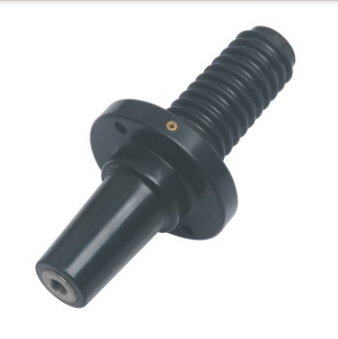
How Can a Separable Connector Support Flexible System Layouts?
Medium voltage systems often need flexible layouts. Not every project has the same cable direction, equipment arrangement, cabinet space, or connection requirement. A Separable Connector helps solve layout problems by allowing different connection structures to match different system designs.
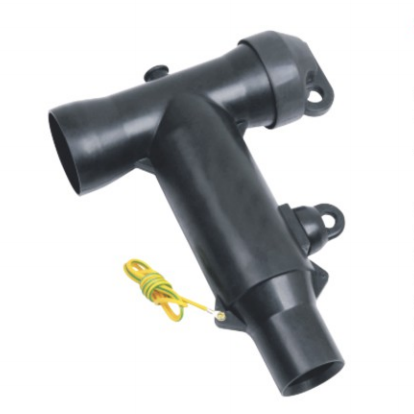
In some systems, the cable must connect from the front. In others, the layout may require a T-shaped structure, branch connection, busbar arrangement, or deadbreak interface. The right connector design helps the system fit the actual installation environment instead of forcing the equipment layout to adapt to an unsuitable connection method.
Compact Equipment Layout
Modern medium voltage equipment is often designed to save space. This is useful for installation, but it also makes cable connection more challenging. If the connection structure is bulky or difficult to arrange, the internal layout may become crowded.
A Separable Connector helps make compact equipment layouts more practical. It can support organized cable direction and reduce unnecessary complexity inside the cabinet or connection compartment.
Multiple Connection Needs
Some systems require more than one cable connection point. Others may need branch connections, future extension, or connection between different equipment sections. A Separable Connector can support these needs when paired with suitable accessories and a proper system design.
This flexibility is important for systems that may be upgraded later. A project may start with one connection arrangement, but future load growth or equipment changes may require additional connection planning.
Better System Adaptability
A good cable connection system should adapt to the project rather than limit it. A Separable Connector helps improve adaptability by offering more choices in connection direction, interface type, and equipment coordination. This is one reason it is widely used in medium voltage cable connection applications.
What Should Be Checked Before Choosing a Separable Connector?
Choosing a Separable Connector should not be based only on appearance or product name. A correct selection depends on several technical and practical factors. If the connector does not match the system requirements, it may cause installation difficulty, poor performance, or long-term reliability problems.
The first step is to confirm the basic electrical requirements. These include voltage level, current rating, system design, and equipment interface. Medium voltage systems may involve 15kV, 24kV, 600A, or other project-specific requirements, so the connector must be selected according to the actual system specification.
The second step is to check the physical and environmental conditions. Cable size, cabinet space, installation direction, indoor or outdoor use, humidity, dust, and maintenance access can all affect the final selection. A Separable Connector works best when it is chosen as part of the whole connection system, not as an isolated component.
Electrical Requirements
Voltage level and current rating must be checked carefully. The connector should match the system insulation requirement and current-carrying demand. A mismatch in electrical rating may reduce safety and reliability.
Equipment Interface
The connector must fit the equipment interface. This may include the bushing type, cable direction, cabinet design, and connection arrangement. A suitable interface helps avoid installation problems and supports long-term connection stability.
Environmental Conditions
The installation environment can affect connector performance. Dust, moisture, temperature changes, and outdoor exposure may all influence insulation and sealing performance. These factors should be considered before choosing the final connection solution.
Maintenance Requirements
Some systems require frequent inspection or easier replacement. Others may operate for long periods with limited access. The selected Separable Connector should support the expected maintenance strategy of the project.
Table 2: Key Factors for Choosing a Separable Connector
| Selection Factor | What to Check | Why It Matters |
| Voltage level | System voltage such as 15kV or 24kV | Ensures insulation compatibility |
| Current rating | System current demand such as 600A | Helps prevent overheating and performance issues |
| Equipment interface | Bushing type, cabinet design, cable direction | Avoids installation mismatch |
| Cable condition | Cable size, type, and installation route | Supports proper fitting and cable layout |
| Environment | Indoor, outdoor, humid, dusty, or compact space | Affects sealing and long-term reliability |
| Maintenance needs | Inspection, testing, replacement, or expansion | Helps improve lifecycle management |
| System layout | Single connection, branch connection, or busbar arrangement | Supports better layout flexibility |
Why Is a Separable Connector Valuable for Long-Term Reliability?
A Separable Connector is valuable because it helps solve problems that appear not only during installation, but also throughout the full service life of the system. A medium voltage cable connection must remain stable under electrical load, temperature changes, environmental exposure, and maintenance operations.
When the connection point is properly designed, the system is easier to operate and maintain. The cable interface becomes clearer, the insulation structure is better protected, and the connection layout is easier to manage. These factors all contribute to long-term reliability.
A Separable Connector also helps reduce the uncertainty that can occur in medium voltage cable projects. Instead of using a connection method that is difficult to inspect or modify later, the system can be planned with a more serviceable interface from the beginning.
In practical medium voltage cable systems, a Separable Connector solution may work together with related parts such as 600A busbars, mixed busbars, shaped busbars, integral deadbreak bushings, T-shaped connectors, front connectors, deadbreak connectors, and insulated protective caps. Depending on the project design, models such as JY HMP mixed busbars, JY YMP shaped busbars, JY MP busbars, JY JCTG integral deadbreak bushings, JY JYM insulated protective caps, JY ZHT integral deadbreak bushings, JY TTL deadbreak T connectors, JY QJT front connectors, JY TIIT deadbreak connectors, and JY TT deadbreak connectors may be considered for different connection layouts.
Conclusion
A Separable Connector helps solve many practical problems in medium voltage cable systems. It can reduce interface mismatch, improve insulation protection, make cable layout more organized, support easier maintenance, and allow more flexible system planning. For projects involving switchgear, compact substations, ring main units, cable branch boxes, transformers, and other medium voltage equipment, choosing the right Separable Connector can improve both installation quality and long-term system reliability.
For reliable Separable Connector solutions and related Medium Voltage Cable Accessories, YIEOU provides products designed for medium voltage cable connection applications where safety, compatibility, and long-term performance are important.