
Introduction
Safe cable connection is one of the most important details in a medium voltage power system. In many power distribution projects, cables must connect with switchgear, ring main units, transformers, compact substations, and cable branch boxes. These connection points may look small compared with the whole system, but they directly affect insulation performance, current transmission, maintenance safety, and long-term operating stability.
A Separable Connector is designed to make medium voltage cable connection more reliable, more maintainable, and more adaptable to different electrical layouts. Unlike fixed cable terminations that may require more complex dismantling during testing or maintenance, a Separable Connector provides a detachable connection structure. This helps engineers, installers, and maintenance teams manage cable interfaces more efficiently while keeping the connection insulated and mechanically stable.
In medium voltage systems, the connection environment is often demanding. Equipment may be installed in compact cabinets, outdoor substations, humid locations, dusty areas, or facilities with continuous load changes. For this reason, a Separable Connector is not only a cable accessory but also an important part of connection safety. When selected and installed correctly, it can help reduce risks related to poor contact, insulation weakness, environmental exposure, and difficult maintenance.
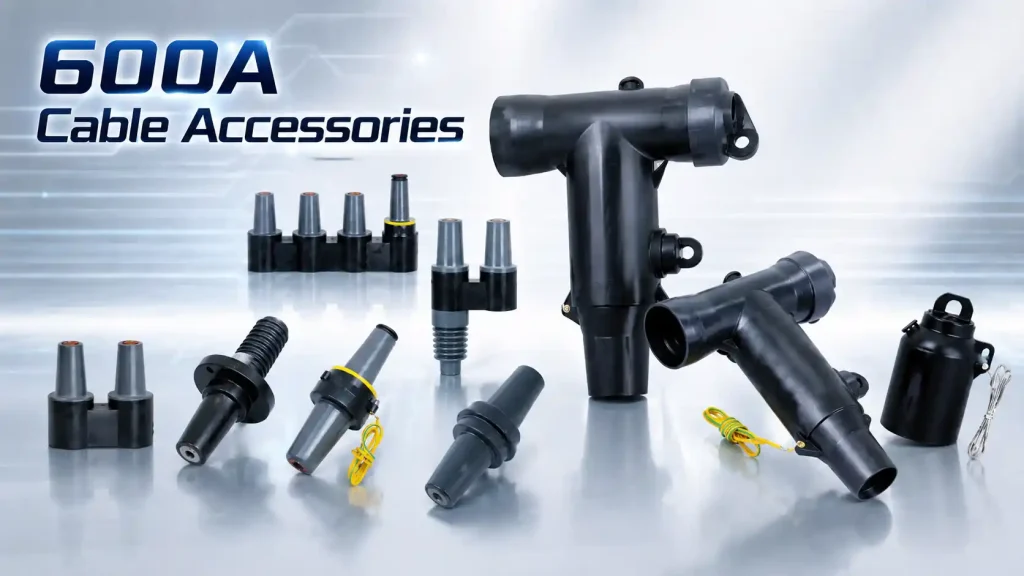
A complete medium voltage connection system may also include bushings, busbars, protective caps, front connectors, rear connectors, T connectors, surge arresters, and other Medium Voltage Cable Accessories. These parts need to work together as a matched system rather than as isolated components. This article explains how a Separable Connector supports safe medium voltage cable connections, where it is commonly used, what selection factors matter, and how it contributes to long-term system maintenance.
What Is a Separable Connector in a Medium Voltage Cable System?
A Separable Connector is a detachable cable connection component used in medium voltage distribution systems. It connects a medium voltage cable to equipment interfaces such as switchgear bushings, transformer bushings, ring main units, cable branch boxes, and compact substations. Its main purpose is to provide a reliable insulated connection while allowing the connection to be separated when inspection, testing, replacement, or system modification is required.
Basic Function of a Separable Connector
The basic function of a Separable Connector is to create a secure electrical path between the cable conductor and the equipment interface. In a medium voltage system, this connection must carry current safely while controlling the electric field around the cable termination area. If the connector structure is poorly matched or incorrectly installed, the connection point may become a weak position in the system.
A properly designed Separable Connector helps manage insulation, conductor contact, shielding continuity, and mechanical positioning. These elements are especially important in medium voltage applications because voltage stress is much higher than in low-voltage systems. Even a small installation error or an unsuitable accessory may lead to partial discharge, overheating, insulation aging, or connection failure over time.
Why the “Separable” Structure Matters
The word “separable” is important because it describes one of the biggest advantages of this connector type. A Separable Connector can be disconnected from the equipment interface under suitable operating and safety procedures. This makes the system easier to inspect, test, maintain, or reconfigure.
In practical projects, medium voltage systems may need periodic cable testing, equipment replacement, network expansion, or fault isolation. With a fixed cable termination, these tasks can require more time and more complicated disassembly. With a Separable Connector, the connection structure gives the maintenance team more flexibility. This is especially useful in distribution networks where downtime needs to be controlled and cable routes may change as the system expands.
Relationship with Medium Voltage Cable Accessories
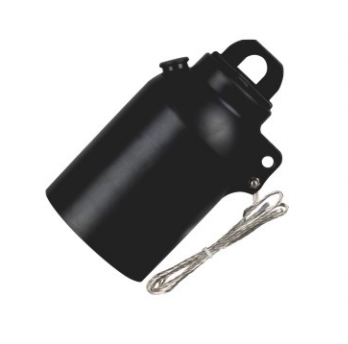
A Separable Connector is often used together with other Medium Voltage Cable Accessories. These may include deadbreak bushings, busbars, insulated protective caps, T-shaped connectors, front connectors, rear connectors, elbows, and surge arresters. Each part has a role in the complete connection system.
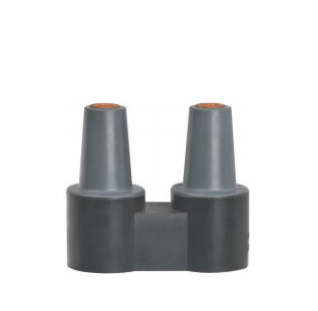
For example, a busbar may help distribute current across multiple interfaces. A bushing provides the equipment-side connection point. An insulated protective cap may protect an unused interface. A T connector may support cable branching or equipment connection in a compact layout. When these parts are selected as a compatible system, the Separable Connector can perform more reliably and safely.
How Does a Separable Connector Improve Connection Safety?
A Separable Connector improves connection safety by supporting stable insulation, reliable electrical contact, controlled mechanical connection, and better environmental protection. These details are essential because medium voltage cable systems must operate under high electrical stress and sometimes harsh installation conditions.
Stable Insulation Around the Cable Interface
Insulation is one of the core safety requirements in medium voltage cable connection. The connection area must prevent unwanted current leakage, flashover, and electric field concentration. A Separable Connector helps form a controlled insulation structure around the conductor and cable termination area.
In medium voltage systems, insulation weakness may not cause immediate failure, but it can create long-term hidden risks. Moisture, dust, installation gaps, poor surface contact, or incompatible accessories may gradually increase stress at the connection point. A well-matched Separable Connector helps reduce these risks by providing a designed insulation path and a more consistent connection structure.
Reliable Contact and Current Transmission
A cable connection must not only be insulated; it must also conduct current safely. Poor conductor contact may increase resistance, which can lead to abnormal heating. Over time, overheating can damage insulation, weaken the connector body, and affect surrounding equipment.
A suitable Separable Connector supports stable conductor contact by aligning the cable, connector, and equipment interface correctly. The connection must maintain proper contact pressure and mechanical fit during operation. This is especially important in systems with load changes, thermal cycling, or vibration from nearby electrical equipment. When the contact structure remains stable, the connection point is less likely to become a source of heat or electrical instability.
Mechanical Stability During Long-Term Operation
Medium voltage cable systems often use heavy cables, and cable movement can place mechanical stress on the connection point. If the cable is not properly supported or the connector is not correctly installed, mechanical stress may affect the contact surface or insulation structure.
A Separable Connector helps improve mechanical stability when it is selected according to the correct cable size, interface type, voltage class, and current rating. The connector should fit the equipment bushing or matching accessory securely. This reduces the possibility of loosening, displacement, or uneven stress during long-term operation.
Better Sealing and Environmental Protection
Many medium voltage connection points are installed in environments where dust, humidity, temperature variation, and outdoor exposure are concerns. Even when the equipment is inside a cabinet, the surrounding conditions may still affect long-term reliability.
A Separable Connector with suitable sealing performance helps protect the connection from environmental influence. In compact substations, cable branch boxes, and outdoor distribution equipment, sealing is especially important because moisture ingress can affect insulation strength. When the connector system includes suitable protective caps, bushings, and matched accessories, it can provide a safer and more durable connection environment.
Where Is a Separable Connector Commonly Used?
A Separable Connector is widely used in medium voltage distribution systems because many types of equipment require safe, compact, and maintainable cable connections. The exact application depends on the equipment structure, voltage level, current rating, installation space, and maintenance requirements.
Ring Main Units and Switchgear
Ring main units and switchgear are common application areas for a Separable Connector. These devices usually require compact cable connection interfaces because installation space inside electrical rooms or substations may be limited. The connection also needs to be safe for operation and convenient for inspection.
In this type of equipment, a Separable Connector helps create a standardized cable-to-equipment connection. It allows the cable interface to be more organized, insulated, and serviceable. This is valuable for distribution networks where multiple feeders, branch circuits, or incoming and outgoing cable connections must be managed within a compact cabinet.
Transformers and Compact Substations
Transformers and compact substations also commonly use a Separable Connector for medium voltage incoming and outgoing cable connections. The connector helps link the cable system with transformer bushings or substation cable interfaces.
In compact substations, space-saving design is often important. A Separable Connector can support a cleaner and more maintainable cable layout. It can also make future inspection or replacement easier because the connection can be separated under correct procedures. For long-term operation, this improves both safety and maintenance efficiency.
Cable Branch Boxes and Distribution Network Expansion
Cable branch boxes are used where power distribution lines need to branch, connect, or be extended. A Separable Connector is useful in these systems because it supports flexible connection arrangements. When the network needs to expand or when cable routes need adjustment, separable connection structures can reduce the complexity of modification.
This is important in power distribution projects where future expansion may be expected. Instead of redesigning the entire cable connection system, suitable Separable Connector components can help support additional interfaces, branch connections, or replacement operations.
| Application Scenario | Connection Requirement | How a Separable Connector Supports Safety |
| Ring main unit | Compact cable-to-equipment connection | Helps create insulated and standardized cable interfaces |
| Switchgear | Stable medium voltage cable connection | Supports reliable contact and easier inspection |
| Transformer connection | Safe incoming and outgoing cable interface | Improves connection stability around equipment bushings |
| Compact substation | Space-saving and maintainable structure | Makes testing, replacement, and layout management easier |
| Cable branch box | Flexible cable distribution and expansion | Supports safer branching and future network adjustment |
What Should Be Checked Before Choosing a Separable Connector?
Choosing the right Separable Connector requires more than checking one product name or one current rating. A safe medium voltage connection depends on system voltage, current rating, interface type, cable specification, installation environment, and compatibility between accessories.
Voltage Rating and System Requirements
The voltage rating must match the medium voltage system. Common ratings may include 15kV, 24kV, or other project-specific voltage classes. If the Separable Connector does not match the system voltage, the insulation structure may not provide the required safety margin.
Voltage matching should include the equipment interface, cable insulation level, connector body, bushing, and related accessories. The connection system should be treated as a complete electrical structure. A connector with the correct voltage rating helps maintain insulation safety under normal operation and expected electrical stress.
Current Rating and Load Conditions
Current rating is another key factor. Medium voltage cable systems may use 200A, 600A, or other current levels depending on the system design. A Separable Connector must be able to carry the required current without excessive heating.
For example, a 600A Separable Connector system is used where higher current capacity is needed. However, current rating should not be selected only by preference. It should be based on actual load current, future expansion expectations, equipment interface rating, and cable size. A connector that is too small may overheat, while an over-specified component may create unnecessary cost or compatibility issues.
Interface Compatibility
Interface compatibility is essential. A Separable Connector must match the equipment bushing and the related cable accessory structure. Front connectors, rear connectors, T connectors, deadbreak bushings, busbars, and insulated protective caps should be selected as compatible components.
If one part does not match the interface standard or mechanical structure, the connection may not seat properly. This can affect electrical contact, insulation performance, and mechanical stability. For safe medium voltage cable connections, compatibility should be checked before installation, not after problems appear on site.
Installation Space and Cable Direction
Medium voltage equipment often has limited installation space. Cable entry direction, bending radius, cabinet depth, connector length, and the position of other accessories all affect the final layout. A Separable Connector should be selected according to the actual equipment arrangement.
For example, a T-shaped connector may be suitable for certain branching or equipment interface layouts, while a front connector or busbar arrangement may be more appropriate in other systems. If installation space is not considered, the cable may be forced into an unsuitable bending angle, creating stress on both the cable and the connector.
Operating Environment and Maintenance Needs
Environmental conditions should also guide connector selection. Outdoor substations, cable branch boxes, humid electrical rooms, dusty industrial sites, and high-temperature environments may require stronger sealing, better insulation stability, and more durable materials.
Maintenance requirements also matter. If the system requires regular testing or future expansion, a Separable Connector with convenient separation and compatible accessories can make long-term service easier. In this way, the selection decision affects not only installation but also the full operating life of the system.
| Selection Factor | What to Check | Why It Matters |
| Voltage rating | Match 15kV, 24kV, or project voltage class | Helps maintain insulation safety |
| Current rating | Match 200A, 600A, or required load level | Reduces overheating and contact stress |
| Interface type | Check bushing, connector, busbar, and cap compatibility | Ensures proper mechanical and electrical fit |
| Cable specification | Confirm cable size, insulation type, and conductor structure | Supports correct installation and contact stability |
| Installation space | Review cabinet depth, cable direction, and bending radius | Prevents mechanical stress on the connection |
| Environment | Consider humidity, dust, outdoor exposure, and temperature | Improves long-term reliability |
| Maintenance plan | Consider testing, replacement, and future expansion | Makes operation and service safer and easier |
How Can a Separable Connector Support Safer Maintenance and System Expansion?
A Separable Connector supports safer maintenance because it makes the cable interface more accessible and easier to manage. In medium voltage systems, maintenance safety depends not only on protective procedures but also on whether the equipment structure allows inspection and testing to be performed efficiently.
Easier Inspection and Testing
Cable connections may need routine inspection, insulation testing, fault location, or equipment-side checking. With a Separable Connector, the cable interface can be disconnected under correct safety procedures, allowing maintenance teams to access the connection point more conveniently.
This does not remove the need for proper de-energizing, grounding, testing, and safety control. However, it makes the physical connection easier to handle compared with a more permanent connection structure. For facilities that need regular maintenance, this can reduce work complexity and improve maintenance planning.
Faster Replacement When Components Age
Even high-quality medium voltage accessories may eventually need replacement because of system upgrades, operating conditions, or service life considerations. A Separable Connector allows individual connection components to be replaced more conveniently when required.
This is useful when one accessory needs to be changed without unnecessary disturbance to the entire cable system. For example, an insulated protective cap, deadbreak connector, or related interface component may be replaced as part of maintenance or system reconfiguration. A separable system gives maintenance teams more flexibility.
Better Support for Future Network Expansion
Power distribution systems may change over time. New equipment may be added, cable routes may be adjusted, or additional feeders may be required. A Separable Connector helps support this kind of system expansion because the connection structure is more adaptable.
When used with matched components such as busbars, deadbreak bushings, T connectors, and protective caps, a Separable Connector system can support different connection arrangements. This makes it useful for medium voltage distribution projects where future flexibility is important.
Natural Use of 600A System Components
In higher-current medium voltage cable connection systems, 600A components are often used as part of a complete Separable Connector arrangement. Examples may include JY HMP-15kV/600A/-200A Mixed busbars, JY YMP-15kV 200A 600A Shaped busbar, JY MP-15/24kV 600A Busbar, JY JCTG-15kV 600A Integral Deadbreak Bushing, JY JYM-600 15kV/24kV 600A Insulated Protective Cap, JY ZHT-15kV 600/200 Integral Deadbreak Bushing, JY TTL-15kV/24kV 600 Deadbreak T Connector, JY QJT-600 15kV/24kV 600A T-shaped American front connector, JY TIIT-/600 15kV/24kV 600A TIIT Deadbreak Connector, and JY TT-600 15kV/24kV 600AT Deadbreak Connector.
These components should not be selected only by model name. They should be matched according to voltage class, current rating, cable specification, interface structure, and system layout. When used correctly, they help form a more complete medium voltage cable connection system instead of a single isolated accessory.
Conclusion
A Separable Connector supports safe medium voltage cable connections by improving insulation structure, contact stability, mechanical reliability, environmental protection, and maintenance convenience. In systems such as switchgear, ring main units, transformers, compact substations, and cable branch boxes, the cable connection point is a critical part of long-term operating safety.
The right Separable Connector should be selected according to voltage rating, current rating, cable specification, interface compatibility, installation space, and environmental conditions. It should also work together with suitable Medium Voltage Cable Accessories, such as bushings, busbars, insulated protective caps, T connectors, and related connection components. When these parts are properly matched, the system becomes easier to install, inspect, maintain, and expand.
For projects that require medium voltage cable connection components, including 600A Separable Connector system parts, busbars, integral deadbreak bushings, insulated protective caps, T connectors, and front connector solutions, YIEOU provides related Medium Voltage Cable Accessories to support safer and more reliable cable connection configurations.