
Introduction
A Separable Connector is an important connection component in medium voltage cable systems. It is commonly used to connect medium voltage cables with RMU units, transformers, switchgear, compact substations, cable branch boxes, and other distribution equipment. Compared with a permanent cable joint, a Separable Connector provides a more flexible plug-in structure for installation, testing, grounding, maintenance, and future system expansion.
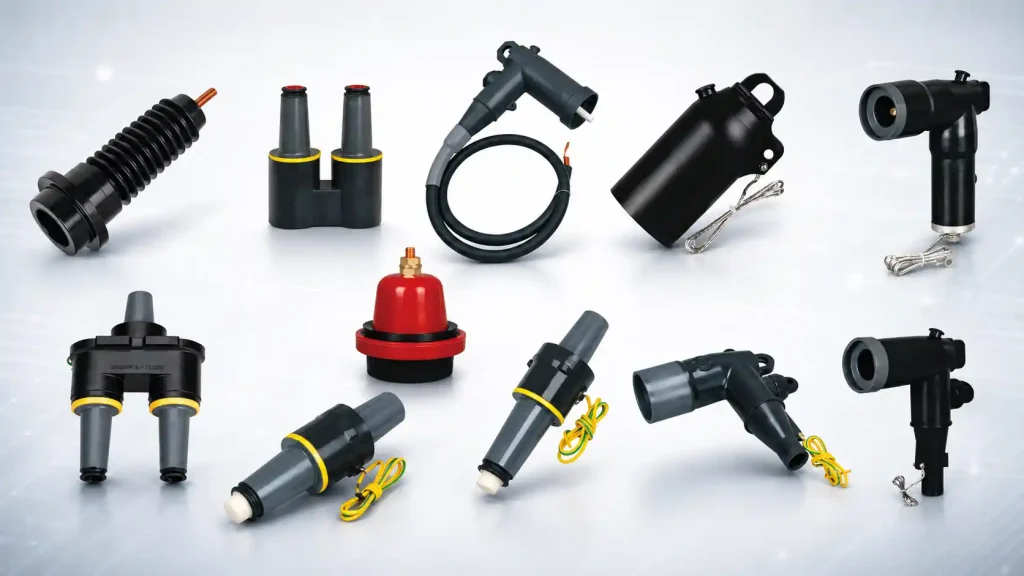
In many projects, a Separable Connector is not selected as a single isolated product. It usually works together with related Medium Voltage Cable Accessories, such as loadbreak elbow connectors, bushing inserts, casing seats, grounding elbows, insulation caps, loadbreak junctions, and elbow surge arresters. If one part is mismatched, the whole cable connection may become difficult to install or unreliable in long-term operation.
For project selection, the supplier’s role is also important. A reliable Separable Connector supplier should not only provide a product list, but also support model matching, accessory coordination, stable production, and practical technical guidance. A manufacturer with complete product knowledge can help confirm voltage rating, current class, cable size, interface type, and installation needs. A factory with consistent production control can make repeated orders more stable and reduce uncertainty during project delivery.
What Should You Know Before Choosing a Separable Connector?
A Separable Connector is designed to create an insulated, shielded, and removable connection between a medium voltage cable and electrical equipment. In practical use, it helps the cable system remain flexible while maintaining electrical insulation and mechanical connection stability.
Basic Function
The main function of a Separable Connector is to connect the cable termination to the equipment interface. This may include transformer bushings, switchgear interfaces, RMU sockets, or cable distribution points. The connector structure allows the cable to be connected, disconnected, tested, or grounded according to the system design.
Common Application Areas
A Separable Connector is commonly used in:
- Ring main units
- Pad-mounted transformers
- Medium voltage switchgear
- Compact substations
- Cable branch boxes
- Underground cable networks
- Distribution feeder systems
These applications often require reliable insulation, compact installation, and easier maintenance access. That is why many medium voltage systems use plug-in cable accessories instead of fully permanent connection methods.
Key Selection Factors
Before choosing a Separable Connector, several technical details should be checked first:
- Voltage rating, such as 15kV or 24kV
- Current rating, such as 200A
- Cable cross-section and insulation diameter
- Equipment interface type
- Indoor or outdoor installation conditions
- Matching accessories for grounding, insulation, and surge protection
A good supplier should be able to help confirm these details before recommending a model. This is especially useful when a project uses different types of equipment from different manufacturers.
Which Medium Voltage Cable Accessories Work with a Separable Connector?
A complete Separable Connector system usually includes several matching accessories. Each part has a specific role in connection, insulation, grounding, branching, or protection. Selecting these Medium Voltage Cable Accessories together can reduce installation problems and improve system consistency.
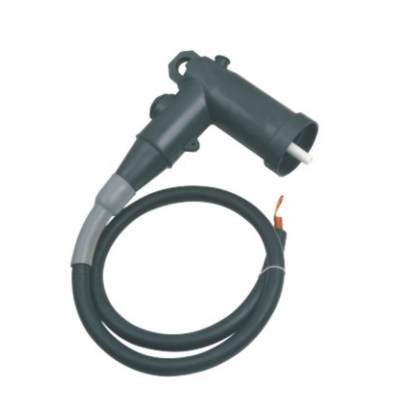
For example, a loadbreak elbow connector is used for cable-to-equipment connection. A bushing insert or casing seat provides the equipment-side interface. A grounding elbow supports safe grounding during testing or maintenance. An insulation cap protects unused interfaces. An elbow surge arrester helps protect the system from overvoltage stress.
| Product Model | Product Type | Rating | Main Function | Typical Application |
| JY JCTGZ 15/200 | Lengthening Casing | 15kV 200A | Extends or supports cable interface connection | RMU, transformer, switchgear |
| JY MP-15kV 200A | Loadbreak Junctions | 15kV 200A | Supports multi-way cable connection | Cable branch systems |
| JY JDZT-15/200 | Grounding Elbow | 15kV 200A | Provides grounding support | Testing and maintenance |
| JY JYM | American Type Insulation Cap | 15kV 200A | Provides insulation and sealing protection | Spare interface protection |
| JY BLQ-17/50 | Elbow Surge Arrester | 17/50kV | Helps protect against overvoltage | Cable network protection |
| JY TGZ-200 | Casing Seat | 15kV / 24kV 200A | Supports plug-in connection | Equipment interface |
| JY STT-15/200 | Double-pass Casing Connector | 15kV 200A | Supports double-pass connection | Cable extension systems |
| JY DTT-24/200 | Single-pass Casing Joint | 24kV 200A | Provides single-pass interface connection | 24kV cable systems |
| JY DTT-15/200 | Bushing Insert | 15kV 200A | Connects equipment interface with elbow connector | Transformer, switchgear, RMU |
| JY ZT-25/200A | Loadbreak Elbow Connector | 25kV 200A | Cable-to-equipment connection | Medium voltage cable systems |
| JY ZT-15/200 | Loadbreak Elbow Connector | 15kV 200A | Cable connection and disconnection | RMU, transformer, switchgear |
When these accessories are selected from a coordinated product system, the project team can reduce the risk of interface mismatch. This is one reason why choosing a supplier with a complete Medium Voltage Cable Accessories range is more practical than sourcing every part separately.
How Can a Manufacturer, Supplier, or Factory Support Better Project Selection?
Choosing a Separable Connector is not only about selecting one model from a catalog. The supplier’s technical understanding, manufacturing stability, and accessory matching ability can directly affect the final installation result.
Supplier Support
A professional supplier should help confirm the basic selection details before the order is placed. This includes voltage level, current rating, cable size, installation position, and equipment interface. If drawings or photos are available, the supplier should use them to check whether the selected Separable Connector matches the actual project.
A supplier with a complete product range can also recommend related Medium Voltage Cable Accessories, such as bushing inserts, casing seats, grounding elbows, insulation caps, loadbreak junctions, and surge arresters. This helps avoid a situation where the main connector is correct, but the supporting accessory does not fit.
Manufacturer Capability
A manufacturer should understand the structure and performance requirements behind the product. For a Separable Connector, important manufacturing details include insulation material, conductive parts, shielding structure, sealing design, mechanical fit, and surface finish. These details may not be visible from the outside, but they affect installation quality and long-term reliability.
A capable manufacturer can also support different project needs, such as 15kV and 24kV systems, 200A interfaces, American-style cable accessories, and matched accessory sets. For repeated projects, consistent product design and stable model specifications are very important.
Factory Consistency
Factory capability matters when projects require repeated orders or multiple batches. A stable factory should control molding, assembly, inspection, packaging, and dimensional consistency. If different batches vary too much, installation teams may face fitting issues on site.
For Separable Connector products, factory consistency is especially important because the connector must match cables, bushings, caps, elbows, and other accessories. Small dimensional differences can affect fit, sealing, or installation efficiency.
What Details Should Be Checked Before Ordering a Separable Connector?
Before ordering a Separable Connector, the technical details should be confirmed carefully. A correct model can improve installation efficiency, while a wrong model may cause delays, rework, or compatibility problems.
| Selection Point | Why It Matters | What to Confirm |
| Voltage Level | Affects insulation design and system safety | 15kV, 24kV, or project-specific rating |
| Current Rating | Must match system load and equipment design | 200A or required current class |
| Cable Size | Affects installation fit and sealing | Cable cross-section and insulation diameter |
| Interface Type | Prevents mismatch with equipment | Bushing insert, casing seat, elbow interface |
| Accessory Matching | Ensures complete system compatibility | Connector, cap, grounding elbow, arrester |
| Installation Environment | Affects material and sealing selection | Indoor, outdoor, humidity, dust, cable trench |
| Supplier Support | Reduces ordering mistakes | Drawings, model confirmation, technical advice |
| Factory Consistency | Important for repeated orders | Batch stability, dimensions, inspection process |
The voltage level should be checked first. A 15kV system and a 24kV system may require different insulation structures and matching accessories. The current rating should also match the system design. In many American-style cable accessory systems, 200A products are widely used, but the actual requirement should still be confirmed according to project data.
Cable size is another key factor. The cable cross-section, conductor type, insulation diameter, and outer sheath condition can all affect installation. Even when the voltage and current are correct, an unsuitable cable size may cause installation difficulty.
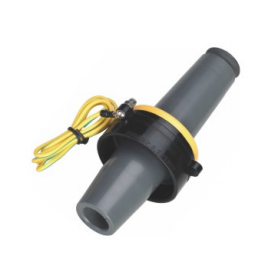
The equipment interface should also be checked. A Separable Connector may need to match a bushing insert, casing seat, single-pass casing joint, double-pass connector, or other equipment-side accessory. If the interface type is unclear, the supplier should help confirm it before production or shipment.
Why Does a Complete Separable Connector System Help Maintenance and Expansion?
A complete Separable Connector system can make medium voltage cable networks easier to maintain and expand. In many distribution systems, equipment may need inspection, cable routes may need adjustment, and additional branches may be added later. A well-matched accessory system gives the project more flexibility.
Easier Maintenance
During maintenance, grounding and insulation protection are important. A grounding elbow can support safer grounding procedures. An insulation cap can protect unused interfaces. Loadbreak junctions can support cable branching and system rearrangement. Elbow surge arresters can help reduce overvoltage risk.
When these accessories are selected together, maintenance work becomes more structured. The system is easier to inspect, isolate, ground, and restore.
Better Expansion Flexibility
A compatible Separable Connector system also supports future expansion. If a project later needs additional cable branches or equipment upgrades, matched Medium Voltage Cable Accessories can reduce redesign pressure. This is especially useful for cable networks that may grow over time.
More Stable Long-Term Supply
Long-term projects often require spare parts, replacement products, and repeat orders. A supplier connected with stable factory production can provide better model consistency. This helps project teams maintain the same interface structure across different batches and future maintenance cycles.
Conclusion
A Separable Connector should be selected according to the complete medium voltage cable system, not only by price or model name. Voltage rating, current capacity, cable size, interface type, grounding method, insulation protection, surge protection, and accessory matching all affect installation quality and long-term reliability.
For projects that require Medium Voltage Cable Accessories, a reliable supplier should provide more than basic product delivery. The right manufacturer, supplier, or factory should support model confirmation, accessory matching, stable production, and long-term supply. This helps reduce installation uncertainty and makes maintenance more practical.
YIEOU provides Separable Connector products and related medium voltage cable accessories, including loadbreak elbow connectors, bushing inserts, casing seats, grounding elbows, insulation caps, loadbreak junctions, and elbow surge arresters for medium voltage cable connection systems.