
A Separable Connector is a key part of medium voltage cable connection systems. In 600A applications, selection should not depend only on appearance, model name, or voltage label. It should consider voltage level, current capacity, interface compatibility, installation layout, insulation safety, testing, and maintenance.
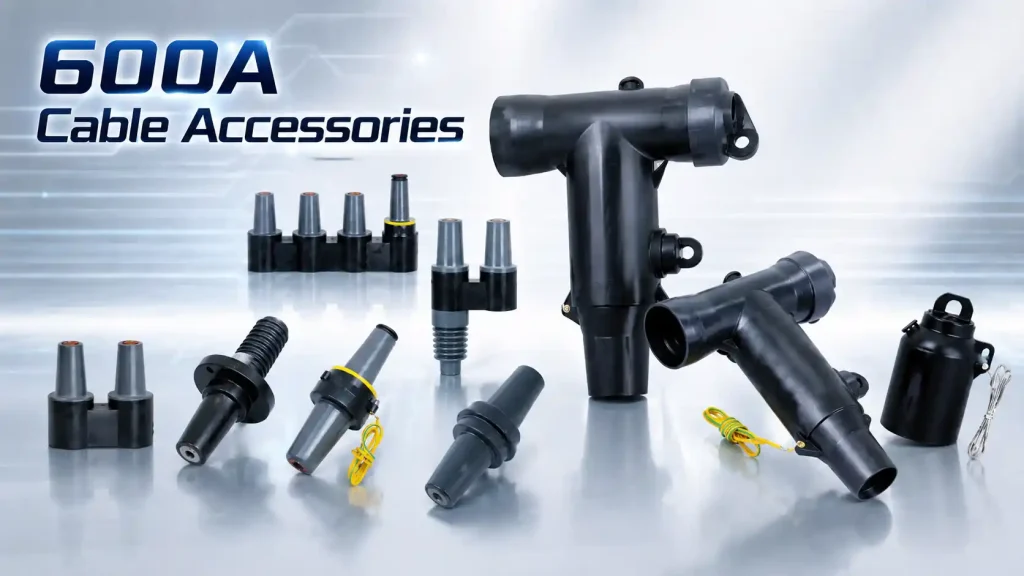
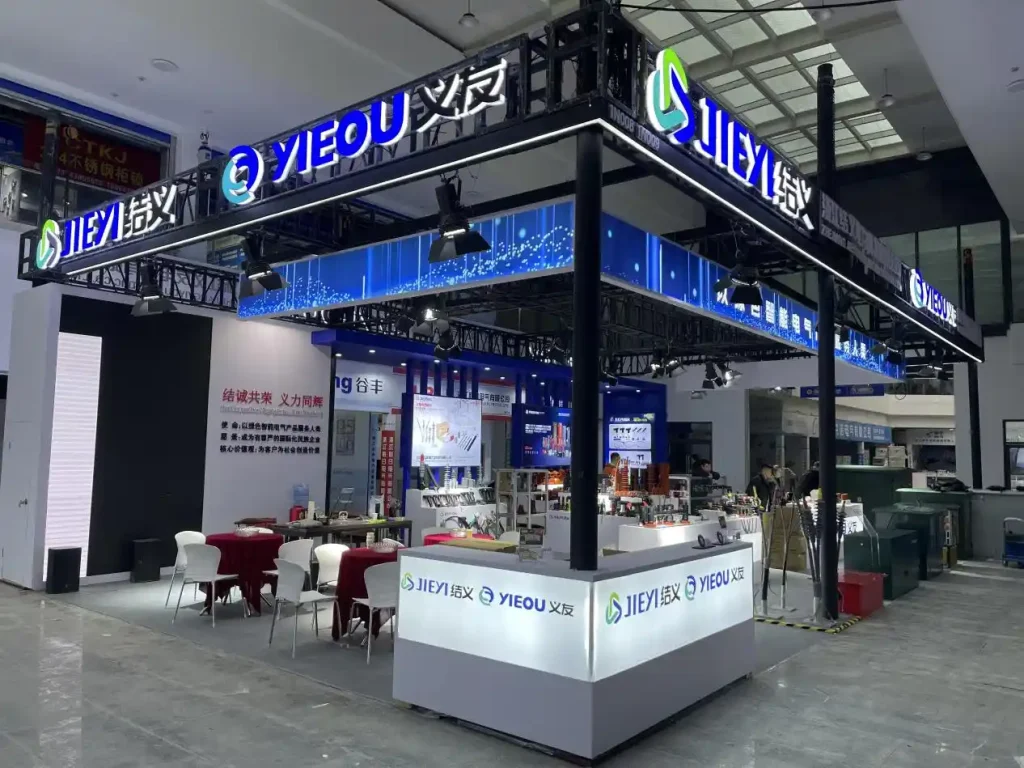
For 15kV and 24kV Medium Voltage Cable Accessories, a 600A Separable Connector is often used in transformers, ring main units, switchgear, compact substations, cable branch systems, and underground distribution networks. YIEOU provides American cable accessories, European cable accessories, cold shrink accessories, and related power connection products, helping support complete system matching rather than single-part selection.
1. What System Conditions Should Be Checked First?
Before choosing a 600A Separable Connector, the first step is to understand the real system condition. A connector that works well in one layout may not fit another system if the voltage level, cable direction, or equipment interface is different.
Voltage and current
The connector should match the system voltage, such as 15kV or 24kV. It should also support the required 600A current rating under long-term operation. If the rating is not suitable, the system may face overheating, insulation stress, or unstable connection.
Current rating is especially important in main circuit applications. A 600A connection point usually handles higher load than smaller accessory systems, so the conductive path, contact pressure, cable size, and heat rise performance should be reviewed together. The connector should not be evaluated as a separate plastic or rubber part. It is part of the electrical path.
Equipment interface
The connector must match the transformer, switchgear, ring main unit, or cable branch equipment. Interface mismatch can cause installation gaps, weak contact, or future maintenance difficulty.
In many projects, the equipment interface is already fixed before accessories are selected. This means the Separable Connector must follow the equipment side, not the other way around. If the bushing, busbar, and connector do not match, the installation may require extra adjustment on site, which increases risk.
Cable layout
Cable direction, bending space, reserved interface, and installation room should be checked before final selection. This is especially important in compact medium voltage systems.
For example, some equipment rooms have limited front clearance. Some cable trenches require a specific cable entry direction. Some compact substations need a clean internal arrangement to leave room for inspection. A suitable 600A Separable Connector should fit this layout instead of making the system crowded.
2. How Should Deadbreak Structure Be Evaluated?
A 600A Separable Connector is commonly designed as a deadbreak type. This means the connector is normally operated when the circuit is de-energized. It is suitable for systems that require safer maintenance, stable connection, and controlled operation.
Safety during maintenance
Deadbreak structure helps make maintenance more predictable. When the circuit is shut down, technicians can inspect or replace connection parts with a clearer procedure.
This is different from choosing accessories only for convenience. In medium voltage systems, safe operation is more important than fast operation. A deadbreak design can support maintenance planning, isolation procedures, and safer handling when the system is properly de-energized.
Stable connection
For medium voltage systems, connection stability matters more than quick operation. A properly selected deadbreak Separable Connector supports firm contact, insulation reliability, and a more secure equipment interface.
The connection should remain stable under normal load, temperature change, and long-term operation. If the contact design is weak, the system may face heat rise or unstable conductivity. If the insulation structure is not reliable, there may be electrical stress at the interface.
Application fit
Deadbreak connectors are suitable for main circuit connection, transformer interface, switchgear connection, and compact substation layouts where long-term reliability is more important than frequent live operation.
This does not mean every system should use the same structure. The right selection depends on operating habit, maintenance procedure, equipment design, and system load. A 600A Separable Connector should be chosen according to the actual connection role.
3. What Role Do Busbars, Bushings, and Protective Caps Play?
A 600A Separable Connector should be considered as part of a complete accessory system. Busbars, bushings, and protective caps affect whether the system is easy to install and maintain.
Busbar layout
Busbars help organize multiple connection points. In some systems, 600A and 200A interfaces may appear together, so mixed or shaped busbar designs can make the layout cleaner.
A busbar is not only used to “add more connection points.” It affects the direction of the cable, the spacing between interfaces, and the maintenance visibility of the system. If the busbar layout is unclear, later inspection becomes harder.
Bushing compatibility
The bushing is the connection bridge between equipment and cable accessories. If the bushing does not match the connector, the whole system may face installation or insulation problems.
The bushing should be checked together with voltage rating, current rating, interface size, and equipment design. A correct bushing match helps the Separable Connector fit securely and reduces the chance of forced installation.
Protective cap use
Unused interfaces should be protected. A proper insulated protective cap helps keep spare or exposed interfaces safer and cleaner.
This is often overlooked in early selection. However, reserved interfaces, spare bushings, and exposed connection points still need insulation protection. Protective caps help reduce contamination, accidental contact risk, and layout confusion.
Table 1: Key Components in a 600A Separable Connector System
| Component | Main Purpose | What to Check |
| Deadbreak connector | Main cable connection | Voltage, current, interface type |
| Busbar | Multi-point or mixed layout | 600A / 200A arrangement, space |
| Bushing | Equipment-side interface | Compatibility with connector and equipment |
| Protective cap | Insulation protection | Reserved or unused interface safety |
| Cable accessory set | System connection support | Layout, insulation, shielding, maintenance access |
4. How Can Selection Reduce Installation and Maintenance Risk?
A good Separable Connector selection should make installation simpler, not more complicated. The product should fit the cable, equipment, and accessory layout without forcing extra adjustment on site.
Avoid mixed-interface confusion
If the system includes both 600A and 200A interfaces, the transition design should be clear. This helps reduce wrong matching during installation and future replacement.
Mixed-interface systems are common in medium voltage projects. A main circuit may use 600A, while another branch or auxiliary interface may use 200A. If the relationship between these interfaces is not planned early, the accessory system may become confusing.
Keep layout readable
A clear layout makes inspection easier. When cable direction, busbar position, and bushing interface are planned together, maintenance teams can quickly understand the connection structure.
Readable layout is important because medium voltage systems are not only installed once. They may need later testing, inspection, replacement, or expansion. A clean connection structure helps reduce downtime and makes maintenance work easier to control.
Support future replacement
Medium voltage systems often need later inspection, replacement, or expansion. Choosing compatible accessories from the beginning can reduce future downtime and confusion.
For example, if a Separable Connector system uses a consistent interface standard, future replacement becomes more direct. If different parts are selected without system logic, later maintenance may require extra checking, additional accessories, or interface correction.
5. What Should Be Checked Before Choosing a Supplier?
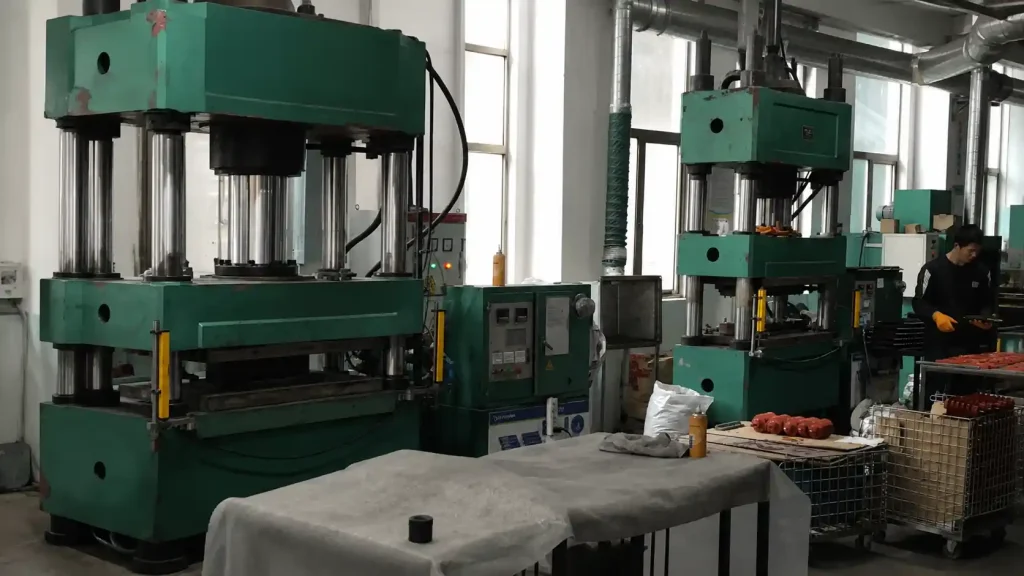
A 600A Separable Connector depends on more than product shape. Material quality, mold precision, conductive contact, insulation performance, and testing process all affect long-term operation.
Technical communication
Before ordering, the supplier should be able to understand the system layout, not only quote a model. The discussion should include voltage level, cable size, equipment interface, busbar arrangement, and whether 600A and 200A interfaces need to work together.
A professional manufacturer should help confirm whether the connector, busbar, bushing, and protective cap can work together. This is useful when the system includes multiple interfaces or mixed current ratings.
Testing capability
A reliable factory should support electrical testing, insulation performance checks, and product consistency control. For a 600A Separable Connector, testing is important because hidden defects may not appear immediately after installation.
Important checks may include partial discharge testing, withstand voltage testing, material inspection, and finished product appearance inspection. These tests help reduce hidden electrical risk before the product enters service.
Stable supply
A dependable supplier should provide consistent product quality and repeated model availability. This helps reduce replacement difficulty in long-term medium voltage projects.
For repeated projects, consistent batch quality matters. If material, size, or interface details change between batches, installation and maintenance may become less predictable.
Table 2: 600A Separable Connector Selection Checklist
| Check Item | What to Confirm | Why It Matters |
| Voltage rating | 15kV or 24kV | Prevents insulation mismatch |
| Current rating | 600A requirement | Supports stable load operation |
| Interface type | Connector, bushing, busbar match | Reduces installation risk |
| System layout | Cable direction and space | Improves maintenance clarity |
| Mixed interface | 600A / 200A transition need | Avoids wrong accessory matching |
| Testing process | PD and withstand voltage tests | Reduces hidden electrical risk |
| Supply consistency | Stable model and batch quality | Supports long-term projects |
6. How Does Insulation and Shielding Affect Long-Term Performance?
A Separable Connector works in a high electrical stress environment. Its insulation and shielding design directly affect system safety, especially in 15kV and 24kV applications.
Insulation stability
The insulation body should withstand long-term electrical stress. Poor insulation stability may not fail immediately, but it can increase risk over time. This is why material quality and process control are important.
Shielding continuity
Shielding helps manage the electric field around the connection area. If the shielding design is weak or the interface is not properly matched, the system may face uneven electrical stress.
Environmental condition
Medium voltage accessories may be used in substations, cable branch boxes, compact equipment rooms, or underground distribution systems. Dust, humidity, temperature change, and installation space can all influence long-term reliability.
A 600A Separable Connector should therefore be selected with the actual environment in mind, not only with catalog parameters.
7. Why Should Selection Start From the Complete System?
Selecting a 600A Separable Connector should not become a simple model comparison. The better method is to start from the complete system: voltage rating, current capacity, deadbreak structure, busbar layout, bushing compatibility, protective protection, testing, and supply consistency.
System matching is more reliable
When all parts are selected together, the connection is easier to install and maintain. The connector, busbar, bushing, protective cap, and cable accessory structure should support the same voltage level, current rating, and interface logic.
Fewer problems during installation
A system-based selection can reduce common issues such as wrong interface, limited bending space, unclear busbar direction, exposed spare interface, or incomplete accessory matching.
Better long-term maintenance
A clear system layout helps later inspection and replacement. Maintenance staff can identify connection points faster, understand reserved interfaces more easily, and reduce unnecessary downtime.
Conclusion
Selecting a 600A Separable Connector should start from the complete medium voltage system, not only from a model name. The key checks include system condition, voltage rating, current capacity, deadbreak structure, busbar layout, bushing compatibility, insulation protection, testing capability, and supply consistency.
For 15kV and 24kV Medium Voltage Cable Accessories, a well-matched 600A system can improve connection safety, installation clarity, and long-term maintenance efficiency. YIEOU provides American cable accessories, European cable accessories, cold shrink accessories, and related medium voltage connection products, supporting 600A Separable Connector selection with integrated product matching and stable supply.