
Introduction
A Separable Connector is an insulated and shielded connection part used in medium voltage cable systems. It connects cables with transformers, switchgear, ring main units, outdoor cabinets, and other power equipment.
In 15kV and 24kV American cable accessories, a Separable Connector should not be selected alone. It needs to match loadbreak elbows, casing seats, bushing inserts, grounding elbows, insulation caps, surge arresters, and junction parts.
This guide explains how to match a Separable Connector with related Medium Voltage Cable Accessories for safer installation, stable operation, and easier maintenance.
What Role Does a Separable Connector Play in a Medium Voltage Cable System?
Basic Connection Function
A Separable Connector creates a removable connection between a medium voltage cable and electrical equipment. Unlike a fixed cable termination, it allows the cable interface to be connected, disconnected, tested, grounded, or protected through compatible accessories.
In practical systems, the Separable Connector is often used on transformers, RMUs, switchgear, outdoor cable branch boxes, compact substations, and distribution equipment. Its function is not only to conduct current, but also to maintain insulation distance, shielding continuity, and mechanical stability at the cable interface.
Insulated and Shielded Interface
The value of a Separable Connector comes from its insulated and shielded structure. When correctly installed and grounded, the outer surface is designed to support safer operation around compact equipment spaces, outdoor cabinets, and cable branch systems.
A stable shielded interface also helps control electric field stress. If cable preparation, connector body, bushing insert, and grounding structure do not match, the system may face higher risks of partial discharge, overheating, or insulation aging.
Part of a Complete Accessory System
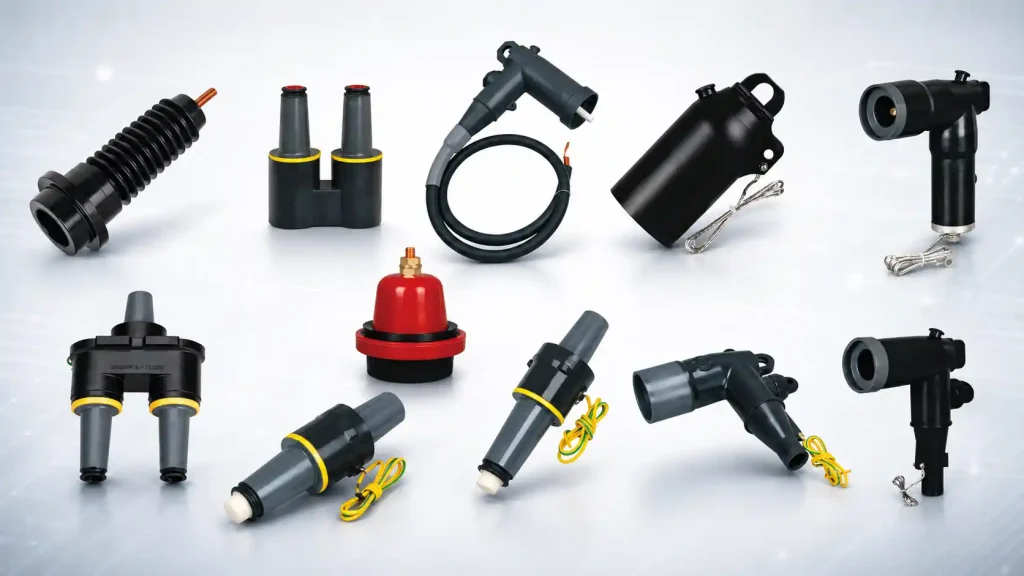
A Separable Connector should be understood as one part of a complete American cable accessory system. A loadbreak elbow connector may connect the cable to the equipment bushing, while an insulation cap protects an unused interface. A grounding elbow supports maintenance work, and an elbow surge arrester helps protect the system from overvoltage.
Table 1: Main Functions of Separable Connector and Related American Cable Accessories
| Accessory Type | Model Example | Main Function | Typical Use |
| Loadbreak Elbow Connector | JY ZT-15/200, JY ZT-25/200A | Cable connection and loadbreak operation | Transformer, RMU, switchgear interface |
| Loadbreak Junction | JY MP-15kV 200A | Cable branching and connection support | Multi-way cable systems |
| Grounding Elbow | JY JDZT-15/200 | Temporary grounding and maintenance support | Cable testing and maintenance |
| Insulation Cap | JY JYM 15kV 200A | Insulation protection for unused interface | Spare bushing or exposed port |
| Elbow Surge Arrester | JY BLQ-17/50 | Overvoltage protection | Cable terminal and equipment protection |
How Should 15kV and 24kV Ratings Be Matched Before Selection?
Voltage Level Comes First
Before choosing a Separable Connector, the system voltage must be confirmed. A 15kV system and a 24kV system may look similar from the outside, but their insulation design, test requirements, and matching accessories are different.
For 15kV applications, models such as JY ZT-15/200 15kV 200A Loadbreak Elbow Connector, JY DTT-15/200 15kV 200A Bushing Insert, and JY JYM 15kV 200A American-style insulation cap may be used together. For 24kV systems, parts such as JY DTT-24/200 24kV 200A single-pass casing connector and JY ZT-25/200A Loadbreak Elbow Connector should be checked according to the system insulation requirement.
Current Rating and Load Condition
A 200A rating is common in American cable accessories, but the actual selection should still consider load current, operating environment, cable size, and equipment interface. A Separable Connector used in a branch line may face different conditions from one installed in a main distribution path.
The current rating should also match the related casing seat, bushing insert, loadbreak elbow, and junction accessory. If one part is rated lower than the rest of the system, the whole connection may become the weak point.
Interface Compatibility
Many selection problems come from interface mismatch. A Separable Connector may have the right voltage and current rating, but still fail to match the equipment bushing or casing seat. This is why model confirmation is important before production, delivery, or installation.
Common related parts include JY JCTGZ 15/200 15kV 200A lengthening casing, JY TGZ-200 15kV/24kV 200A Casing seat, JY STT-15/200 15kV 200A Double-pass casing connector, and JY MP-15kV 200A Loadbreak junctions. These parts should be checked as one connection set, not as separate names on a list.
Which Interface Parts Should Work Together With a Separable Connector?
Bushing Insert and Casing Seat
A Separable Connector needs a stable equipment-side interface. The bushing insert and casing seat provide this connection point. In 15kV systems, JY DTT-15/200 15kV 200A Bushing Insert can be used where a compatible 200A interface is required. In 24kV systems, JY DTT-24/200 24kV 200A single-pass casing connector may be selected according to voltage design.
The casing seat also affects installation layout. JY TGZ-200 15kV/24kV 200A Casing seat can support 200A American accessory systems, but the final match should still confirm equipment type, mounting direction, cable route, and available space.
Loadbreak Elbow Connector
The loadbreak elbow is one of the most common matching parts for a Separable Connector system. It allows cable connection and, when correctly rated, loadbreak operation. JY ZT-15/200 15kV 200A Loadbreak Elbow Connector and JY ZT-25/200A Loadbreak Elbow Connector are typical examples for different voltage classes.
For stable performance, the elbow connector should match the cable insulation diameter, conductor cross-section, bushing interface, and operating environment. A correct match makes installation smoother and reduces the need for later adjustment.
Junction and Extension Accessories
In cable branch systems, one Separable Connector may need to work with junctions or extension parts. JY MP-15kV 200A Loadbreak junctions can support branch connection layouts, while JY STT-15/200 15kV 200A Double-pass casing connector helps extend connection options in compact systems.
These parts are useful when the system requires future expansion, multiple cable directions, or flexible cabinet design. Instead of choosing only the main connector, the whole connection route should be considered.
Table 2: Model Matching Reference for 15kV and 24kV American Cable Accessories
| Selection Need | Related Accessory | Model Example | Matching Note |
| 15kV cable connection | Loadbreak Elbow Connector | JY ZT-15/200 | Match 200A interface and equipment bushing |
| 24kV cable connection | Loadbreak Elbow Connector | JY ZT-25/200A | Confirm voltage class and insulation level |
| Equipment interface | Casing Seat | JY TGZ-200 | Used for 15kV/24kV 200A systems |
| Cable branch support | Loadbreak Junction | JY MP-15kV 200A | Suitable for multi-way cable connection |
| Connection extension | Double-pass Casing Connector | JY STT-15/200 | Supports extended interface layout |
| Maintenance grounding | Grounding Elbow | JY JDZT-15/200 | Used for grounding and maintenance operation |
| Surge protection | Elbow Surge Arrester | JY BLQ-17/50 | Used where overvoltage protection is required |
What Safety and Maintenance Details Should Be Checked During Installation?
Cable Preparation
Even a well-designed Separable Connector can fail if cable preparation is poor. The stripping length, conductor surface, insulation layer, semi-conductive layer, and shielding treatment must follow the accessory instructions. Uneven cutting, scratches, dirt, or moisture can affect insulation performance.
Before installation, the following points should be confirmed:
- Cable size and insulation diameter
- Conductor material and cross-section
- Stripping length and surface cleanliness
- Crimping tool and die size
- Lubrication and assembly direction
- Shield grounding continuity
These details look small, but they decide whether the Separable Connector can fit tightly and operate safely.
Grounding and Testing
Grounding is a key part of medium voltage maintenance. JY JDZT-15/200 15kV 200A Grounding Elbow can be used where temporary grounding is required during inspection or maintenance. The grounding process should follow site safety rules and equipment operation procedures.
Testing should also be planned before energizing the system. The process may include visual inspection, interface check, grounding continuity check, insulation test, and confirmation of accessory matching. A Separable Connector system should not be energized until the related accessories are fully installed and checked.
Moisture and Outdoor Conditions
Many Medium Voltage Cable Accessories are installed in outdoor cabinets, compact substations, cable branch boxes, or humid environments. Moisture, dust, salt, heat, and UV exposure may affect long-term performance. For this reason, the sealing condition of the Separable Connector and its matching parts should be checked carefully.
Outdoor systems should pay attention to cabinet sealing, cable entry protection, interface cleanliness, water accumulation risk, surge protection demand, and regular inspection schedules. A good installation does not end when the connector is assembled. It also depends on how the system is protected after operation begins.
How Can Complete Model Matching Support Long-Term Separable Connector Use?
Complete Product Range
American cable accessories work as a system, so model matching is easier when related parts can be confirmed together. Loadbreak elbows, grounding elbows, insulation caps, casing seats, bushing inserts, surge arresters, and junction parts should be checked under the same voltage class and current rating.
This reduces confusion between 15kV and 24kV parts, especially when one project includes transformers, RMUs, cable branch boxes, and outdoor distribution cabinets at the same time.
Stable Model Confirmation
A professional manufacturer should help confirm the relationship between cable size, equipment interface, voltage level, and accessory model. For example, JY JCTGZ 15/200 lengthening casing, JY TGZ-200 casing seat, JY DTT-15/200 bushing insert, and JY ZT-15/200 loadbreak elbow may appear in the same 15kV 200A system, but each part has its own function.
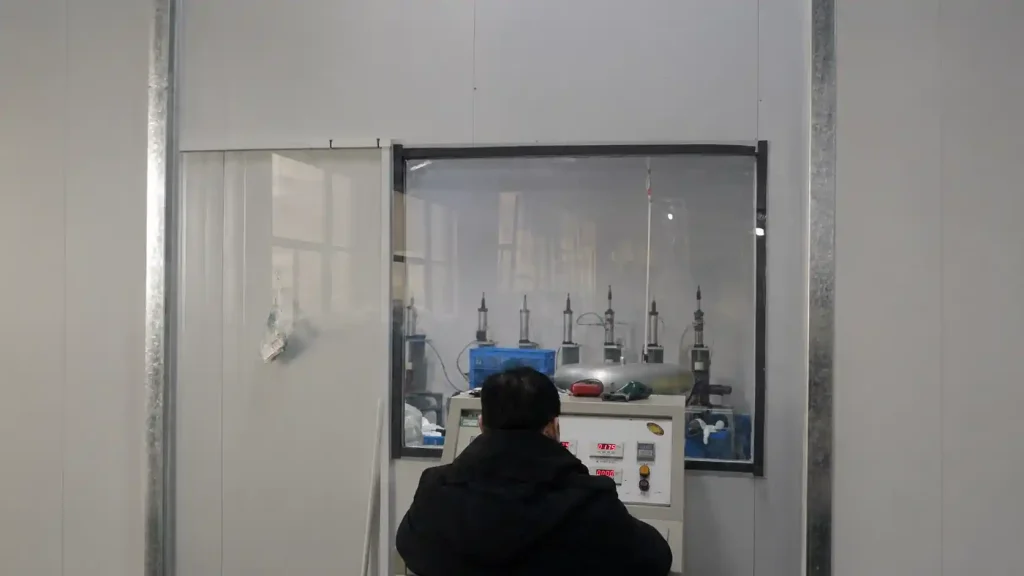
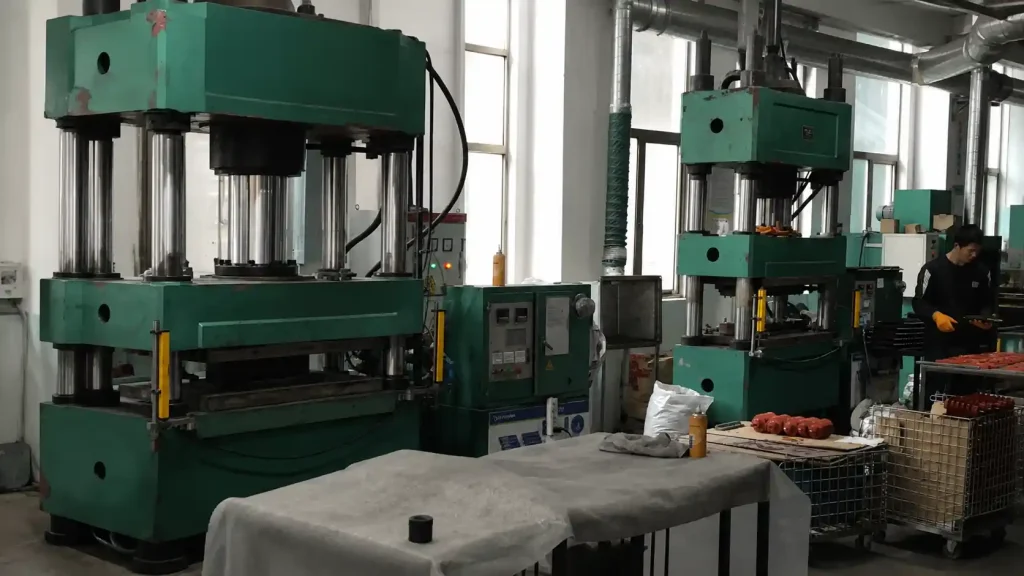
A stable factory process also helps keep dimensions, insulation quality, and batch consistency under control. For repeated project supply, this is more practical than selecting parts only by catalog name.
Technical and Delivery Support
A Separable Connector manufacturer or supplier should support drawings, product confirmation, model comparison, and accessory matching before delivery. This is especially important when the system includes both 15kV and 24kV parts.
For a factory that produces related Medium Voltage Cable Accessories, stable supply depends on material control, production consistency, inspection, packaging, and clear product identification. Good technical support can reduce wrong model selection, installation delays, and maintenance uncertainty.
Conclusion
A Separable Connector works best when it is selected as part of a full American cable accessory system. Voltage level, current rating, bushing interface, casing seat, grounding method, surge protection, and installation environment all need to match. For 15kV and 24kV systems, the safer approach is to check the connector together with related Medium Voltage Cable Accessories, including loadbreak elbows, grounding elbows, insulation caps, casing seats, bushing inserts, junctions, and surge arresters.
YIEOU provides Separable Connector solutions and related American Medium Voltage Cable Accessories for 15kV and 24kV cable connection systems. As a manufacturer, supplier, and factory, YIEOU supports complete model matching for medium voltage cable connection, insulation, grounding, and protection applications.