
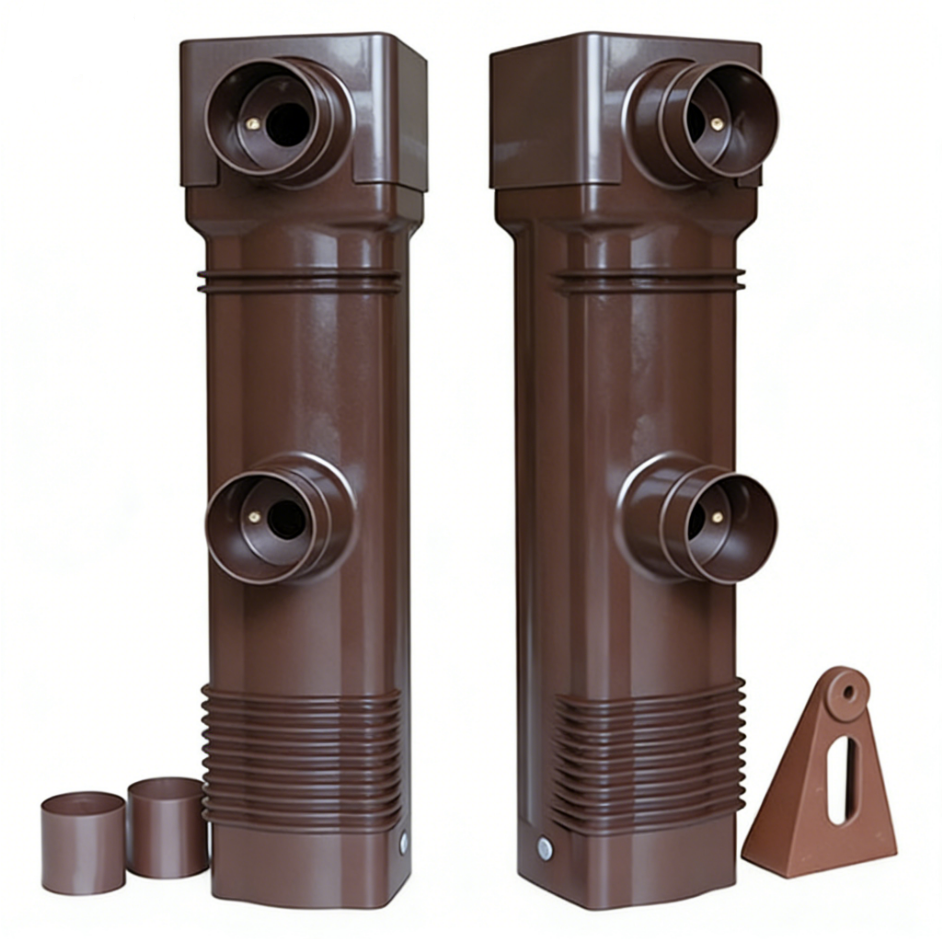
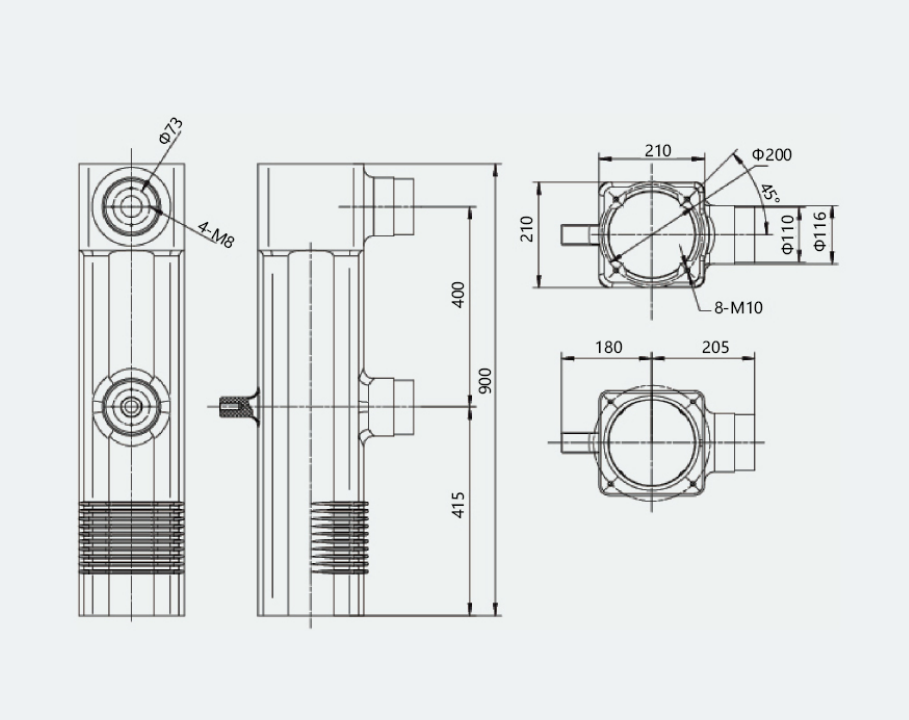
Introduction to ZN85 Epoxy Resin Insulating Cylinder
The ZN85 epoxy resin insulating cylinder represents a significant advancement in electrical insulation technology, offering superior performance characteristics that make it ideal for high-voltage applications across various industries. This specialized component has become an essential element in modern electrical systems, providing reliable insulation where traditional materials may fall short. As industrial demands evolve and electrical systems become increasingly complex, the need for advanced insulation solutions like the ZN85 epoxy resin insulating cylinder has grown substantially.
In this comprehensive guide, we will explore every aspect of the ZN85 epoxy resin insulating cylinder, from its technical specifications to its diverse applications, manufacturing processes, and future prospects. Whether you’re an engineer, procurement specialist, or industry professional, this article will provide valuable insights into why the ZN85 epoxy resin insulating cylinder has become the preferred choice for many leading electrical equipment manufacturers worldwide.
Technical Specifications and Design Parameters
Core Specifications of ZN85 Epoxy Resin Insulating Cylinder
The ZN85 epoxy resin insulating cylinder is engineered to meet rigorous international standards, with specifications that ensure optimal performance in demanding environments. Key technical parameters include:
- Nominal Voltage: Up to 36kV, making it suitable for medium to high voltage applications
- Insulation Level: Designed to withstand AC withstand voltage of 70kV (1 minute)
- Partial Discharge Level: Less than 5pC, ensuring minimal electrical losses
- Temperature Resistance: Continuous operation at -30°C to +90°C with short-term capability up to +120°C
- Mechanical Strength: Compressive strength exceeding 120MPa, providing structural integrity under heavy loads
- Dimensional Tolerance: Precision manufacturing with tolerances within ±0.5mm for critical dimensions
- Surface Resistance: Greater than 10^13 Ω, maintaining excellent electrical isolation
- Volume Resistivity: Exceeding 10^14 Ω·cm, preventing current leakage
Design Features and Construction
The ZN85 epoxy resin insulating cylinder is constructed using advanced epoxy resin formulations reinforced with high-quality fillers and additives. The cylinder’s design incorporates several innovative features:
- Multi-layer Structure: The cylinder is engineered with a multi-layer design that optimizes electrical distribution and stress control
- Uniform Wall Thickness: Consistent wall thickness throughout the cylinder ensures uniform electrical performance
- Precision Machined Surfaces: Smooth, precision-machined surfaces minimize electrical field concentrations
- Flanged Ends: Custom-designed flanged ends facilitate easy installation and secure connections
- Color Coding: Standard color coding for different voltage ratings enhances identification and safety
The construction process utilizes vacuum casting technology to eliminate air pockets and ensure complete resin saturation of reinforcement materials, resulting in a homogeneous, void-free structure that maximizes electrical and mechanical performance.
Material Composition and Properties
Epoxy Resin Matrix
The ZN85 epoxy resin insulating cylinder utilizes a specially formulated epoxy resin matrix that provides excellent electrical insulation combined with mechanical strength. The epoxy resin selected for this application features:
- Low Viscosity: Ensures complete penetration of reinforcement materials during manufacturing
- High Purity: Minimizes ionic content to prevent tracking and surface degradation
- Excellent Adhesion: Bonds strongly with reinforcement materials and metal components
- Minimal Shrinkage: Reduces internal stresses during curing, enhancing dimensional stability
- Superior Chemical Resistance: Withstands exposure to oils, acids, and alkalis commonly found in industrial environments
- UV Resistance: Maintains properties when exposed to sunlight in outdoor applications
- Flame Retardancy: Self-extinguishing properties meet stringent fire safety requirements
Reinforcement Materials
The epoxy resin matrix is reinforced with strategically selected materials that enhance specific properties:
- Glass Fiber Reinforcement: Provides tensile strength and impact resistance while maintaining electrical insulation properties
- Mineral Fillers: Improve thermal conductivity and reduce thermal expansion
- Nano-additives: Enhance mechanical properties and electrical performance at the molecular level
- Coupling Agents: Improve the bond between resin and reinforcement materials, maximizing stress transfer
Advanced Formulation Technology
The ZN85 epoxy resin insulating cylinder benefits from proprietary formulation technologies that result in superior performance:
- Nanotechnology Integration: Incorporation of nano-scale materials enhances electrical and mechanical properties
- Catalyst Optimization: Precise control of curing agents ensures optimal cross-linking density
- Additive Synergy: Carefully balanced combination of additives creates synergistic effects for superior overall performance
- Temperature-Stable Chemistry: Formulation maintains properties across extreme temperature ranges
Manufacturing Process and Quality Control
Raw Material Selection and Preparation
The manufacturing of ZN85 epoxy resin insulating cylinders begins with stringent raw material selection:
- Epoxy Resin: Only high-purity, low-viscosity epoxy resins meeting IEC 60243 standards are selected
- Reinforcement Materials: Glass fibers and other reinforcements undergo rigorous quality testing before use
- Additives: All additives are carefully evaluated for compatibility and performance contribution
- Colorants: High-quality, stable colorants ensure consistent appearance and don’t compromise electrical properties
Raw materials are prepared in climate-controlled environments to prevent moisture absorption and contamination before processing.
Precision Molding Process
The manufacturing process employs advanced molding techniques to ensure optimal performance:
- Mold Preparation: Precision-machined molds with surface finishes of Ra 0.8 or better are used
- Resin Mixing: Epoxy resin and additives are mixed under controlled conditions to ensure homogeneity
- Vacuum Degassing: The mixture undergoes vacuum degassing to remove entrapped air
- Reinforcement Placement: Pre-cut reinforcement materials are precisely positioned in the mold
- Resin Infusion: The degassed resin is infused into the mold under vacuum to ensure complete saturation
- Curing: The mold is cured using precisely controlled temperature cycles
- Demolding: The cured cylinder is carefully removed from the mold
- Post-Curing: Additional curing ensures optimal cross-linking and material properties
Quality Assurance and Testing
Comprehensive quality control measures ensure every ZN85 epoxy resin insulating cylinder meets exacting standards:
- Incoming Material Inspection: All raw materials undergo rigorous testing before use
- In-Process Monitoring: Critical parameters are monitored throughout manufacturing
- Dimensional Verification: Precision measurements verify all dimensions meet specifications
- Electrical Testing: High-voltage tests verify insulation performance
- Mechanical Testing: Compression and tensile tests confirm structural integrity
- Thermal Testing: Temperature cycling tests evaluate performance under thermal stress
- Accelerated Aging: Simulated aging tests predict long-term performance
- Final Inspection: Comprehensive visual and functional inspection before shipment
The quality control system is certified to ISO 9001 standards, with many manufacturing facilities also holding additional certifications specific to the electrical industry.
Applications in Electrical Systems
High-Voltage Switchgear and Circuit Breakers
The ZN85 epoxy resin insulating cylinder finds extensive use in high-voltage switchgear and circuit breakers:
- Insulation Between Phases: Provides reliable insulation between different phases in compact switchgear designs
- Ground Barrier: Acts as an effective ground barrier in metal-clad switchgear
- Component Support: Supports busbars and other current-carrying components while providing electrical isolation
- Insulating Bushing Integration: Often integrated with insulating bushings for complete solution
In these applications, the ZN85 cylinder’s resistance to partial discharge and tracking ensures long-term reliability even in harsh industrial environments.
Transformer Applications
The ZN85 epoxy resin insulating cylinder serves multiple functions in transformer systems:
- Winding Insulation: Provides insulation between winding layers and between windings and core
- Component Separation: Isolates different transformer components to prevent electrical interference
- Tap Changer Integration: Used in tap changers to provide insulation between movable contacts
- Moisture Protection: Acts as a barrier against moisture ingress when properly installed
The cylinder’s ability to withstand thermal cycling without degradation makes it particularly suitable for transformer applications where temperature variations can be extreme.
Substation Equipment
In electrical substations, the ZN85 epoxy resin insulating cylinder is used in various applications:
- Insulation Barriers: Creates physical barriers with electrical insulation between different sections
- Support Structures: Provides structural support while maintaining electrical isolation
- Bus Insulation: Insulates busbars from grounded structures
- Component Housing: Houses sensitive components with electrical insulation properties
The cylinder’s resistance to environmental factors such as UV radiation, moisture, and temperature extremes makes it ideal for outdoor substation applications.
Industrial Power Systems
Industrial facilities rely on ZN85 epoxy resin insulating cylinders for:
- Motor Control Centers: Provides insulation in compact motor control center designs
- Drive Systems: Insulates components in variable frequency drives
- Distribution Panels: Ensures reliable insulation in industrial distribution panels
- Mining Equipment: Withstands harsh conditions in mining power systems
The cylinder’s resistance to chemicals, oils, and other industrial contaminants makes it particularly suitable for demanding industrial environments.
Performance Advantages Over Traditional Materials
Superior Electrical Performance
The ZN85 epoxy resin insulating cylinder offers significant electrical advantages over traditional insulation materials:
- Higher Dielectric Strength: Withstands higher voltages without breakdown compared to porcelain or ceramic alternatives
- Lower Loss Tangent: Reduced energy losses at high frequencies
- Superior Tracking Resistance: Resists surface tracking and carbonization better than most traditional materials
- Minimal Partial Discharge: Exhibits very low partial discharge levels, extending equipment lifespan
- Consistent Performance: Maintains electrical properties across varying humidity and temperature conditions
These electrical advantages translate to improved system efficiency and reduced maintenance requirements in electrical equipment.
Enhanced Mechanical Properties
Mechanically, the ZN85 epoxy resin insulating cylinder outperforms many traditional insulation materials:
- Higher Strength-to-Weight Ratio: Provides superior mechanical strength with reduced weight
- Impact Resistance: Better withstands mechanical shocks and vibration compared to brittle ceramic materials
- Fatigue Resistance: Maintains mechanical properties under cyclic loading conditions
- Dimensional Stability: Minimal expansion and contraction with temperature changes
- Creep Resistance: Maintains shape under constant load over extended periods
These mechanical advantages allow for more compact designs while maintaining reliability, making the ZN85 cylinder particularly valuable in space-constrained applications.
Environmental Resistance
The ZN85 epoxy resin insulating cylinder demonstrates exceptional resistance to environmental factors:
- Moisture Resistance: Absorbs minimal moisture, maintaining electrical properties in humid environments
- Chemical Resistance: Resists degradation from oils, acids, alkalis, and other industrial chemicals
- UV Resistance: Maintains properties when exposed to sunlight without yellowing or degradation
- Thermal Cycling Resistance: Withstands repeated temperature extremes without cracking or delamination
- Contaminant Resistance: Resists tracking and degradation from industrial pollutants and salt spray
This environmental resistance extends the service life of electrical equipment, particularly in outdoor or harsh industrial environments.
Long-Term Reliability
The ZN85 epoxy resin insulating cylinder offers exceptional long-term reliability:
- Aging Resistance: Maintains properties over decades of service
- Low Maintenance Requirements: Reduced need for inspection and replacement compared to some traditional materials
- Consistent Performance: Properties remain stable throughout the service life
- Predictable Degradation: Degrades gradually without sudden failure modes
- Compatibility: Compatible with other materials commonly used in electrical systems
These reliability benefits reduce lifecycle costs and improve system availability, making the ZN85 cylinder a cost-effective solution over the long term.
Installation Guidelines and Best Practices
Preparation for Installation
Proper preparation is essential for optimal performance of the ZN85 epoxy resin insulating cylinder:
- Storage: Store cylinders in original packaging in a dry, temperature-controlled environment
- Inspection: Visually inspect cylinders for any damage before installation
- Cleaning: Clean surfaces with appropriate solvents to remove contaminants
- Dimensional Verification: Confirm dimensions match specifications and requirements
- Compatibility Check: Ensure compatibility with other materials in the assembly
Installation Procedures
Following proper installation procedures maximizes the performance of ZN85 epoxy resin insulating cylinders:
- Surface Preparation: Prepare mating surfaces to ensure good contact and proper alignment
- Positioning: Position the cylinder precisely according to design specifications
- Torque Specifications: Apply recommended torque values when fastening to avoid stress concentrations
- Alignment Verification: Confirm proper alignment after installation
- Gap Control: Ensure appropriate gaps between components if required by design
Special Considerations for Different Applications
Different applications require specific installation considerations:
- Outdoor Installations: Additional sealing may be required for outdoor applications to prevent moisture ingress
- High-Temperature Environments: Verify that installation methods accommodate expected thermal expansion
- High-Voltage Applications: Ensure proper clearances and creepage distances according to applicable standards
- Vibration-Prone Environments: Consider additional securing methods to prevent movement during operation
Post-Installation Testing
After installation, appropriate testing should be performed:
- Visual Inspection: Confirm proper installation and absence of damage
- Dimensional Verification: Verify that installation meets dimensional requirements
- Electrical Testing: Perform appropriate electrical tests to confirm insulation performance
- Mechanical Testing: Verify mechanical integrity where applicable
Following these installation guidelines ensures optimal performance and maximum service life of ZN85 epoxy resin insulating cylinders.
Maintenance Requirements and Lifespan Considerations
Routine Inspection Procedures
Regular inspections help maintain optimal performance of ZN85 epoxy resin insulating cylinders:
- Visual Inspection: Check for signs of cracking, discoloration, or surface contamination
- Surface Cleanliness: Ensure surfaces remain free from conductive contaminants
- Mounting Integrity: Verify that mounting hardware remains secure
- Dimensional Stability: Check for any changes in dimensions that might indicate degradation
- Environmental Exposure: Assess exposure to environmental factors that might affect performance
Cleaning and Maintenance Guidelines
Proper cleaning and maintenance extend service life:
- Cleaning Frequency: Establish appropriate cleaning intervals based on operating environment
- Cleaning Methods: Use appropriate cleaning agents and methods that won’t damage the epoxy surface
- Contaminant Removal: Promptly remove any conductive contaminants that might accumulate
- Protective Coatings: Consider applying protective coatings in harsh environments when appropriate
Monitoring Performance Parameters
Monitoring key parameters helps detect potential issues early:
- Partial Discharge Monitoring: Regular testing for partial discharge levels
- Temperature Monitoring: Track operating temperatures to detect abnormal conditions
- Leakage Current Measurement: Monitor leakage current for changes that might indicate degradation
- Visual Changes: Document any visual changes that might indicate aging or damage
Lifespan Extension Strategies
Several strategies can extend the service life of ZN85 epoxy resin insulating cylinders:
- Environmental Control: Minimize exposure to harsh environmental factors when possible
- Load Management: Avoid overloading beyond design specifications
- Preventive Maintenance: Implement regular maintenance schedules based on operating conditions
- Condition Monitoring: Use advanced monitoring techniques to detect issues before they cause failure
- Design Optimization: Incorporate design features that reduce stress on the insulating cylinder
With proper maintenance, ZN85 epoxy resin insulating cylinders can reliably serve for decades, making them a cost-effective solution for long-term electrical insulation needs.
Safety Considerations and Compliance
Electrical Safety Guidelines
When working with ZN85 epoxy resin insulating cylinders, electrical safety must be prioritized:
- De-energization: Ensure equipment is properly de-energized before installation or maintenance
- Lockout/Tagout: Implement proper lockout/tagout procedures to prevent unexpected energization
- Personal Protective Equipment (PPE): Use appropriate PPE including insulating gloves and face protection
- Working Distance: Maintain appropriate working distances based on voltage levels
- Grounding: Ensure proper grounding during installation and maintenance procedures
Chemical Safety Considerations
While epoxy resins are generally safe, certain precautions should be observed:
- Ventilation: Ensure adequate ventilation when cutting or sanding epoxy components
- Skin Protection: Wear appropriate gloves to prevent skin contact with uncured resin
- Eye Protection: Use eye protection when handling or machining epoxy components
- Respiratory Protection: Use respiratory protection when generating dust during cutting operations
Compliance with International Standards
ZN85 epoxy resin insulating cylinders are designed to comply with various international standards:
- IEC Standards: Compliance with IEC 60243 (dielectric strength) and IEC 60270 (partial discharge)
- IEEE Standards: Where applicable, compliance with IEEE relevant standards
- National Standards: Compliance with relevant national electrical standards in different regions
- Industry-Specific Standards: Compliance with standards specific to the industry of application
Environmental and Safety Certifications
Reputable manufacturers ensure ZN85 epoxy resin insulating cylinders meet various environmental and safety certifications:
- RoHS Compliance: Restriction of Hazardous Substances compliance where applicable
- REACH Compliance: Registration, Evaluation, Authorization and Restriction of Chemicals compliance
- UL Certification: Underwriters Laboratories certification for specific applications
- CE Marking: Conformité Européenne marking for products sold in the European Union
Adherence to these safety considerations and compliance requirements ensures safe operation and regulatory compliance when using ZN85 epoxy resin insulating cylinders.
Market Trends and Future Developments
Current Market Trends
The market for advanced insulation solutions like the ZN85 epoxy resin insulating cylinder is evolving:
- Growing Demand for Compact Designs: Increasing demand for space-saving electrical solutions drives adoption of high-performance insulation
- Rising Energy Efficiency Requirements: Stricter efficiency standards favor materials with lower dielectric losses
- Expansion in Renewable Energy: Growth in renewable energy systems creates demand for reliable insulation solutions
- Urbanization and Infrastructure Development: Increasing urbanization requires more reliable and compact electrical infrastructure
- Aging Infrastructure Replacement: Aging electrical infrastructure worldwide creates replacement opportunities for advanced solutions
Technological Advancements
Several technological advancements are influencing the development of epoxy resin insulating cylinders:
- Nanotechnology Integration: Advanced nano-fillers are enhancing electrical and mechanical properties
- Smart Insulation: Development of insulation with embedded sensors for condition monitoring
- Eco-friendly Formulations: Introduction of bio-based and more sustainable resin formulations
- Advanced Manufacturing Techniques: Improved manufacturing processes enhance quality and reduce costs
- Digital Twins: Implementation of digital twin technology for performance prediction and optimization
Emerging Applications
New applications for ZN85 epoxy resin insulating cylinders are continuously emerging:
- Electric Vehicles: Increased use in charging infrastructure and vehicle power systems
- Data Centers: Growing demand for reliable insulation in high-density power distribution
- Renewable Energy Integration: Applications in wind turbines, solar farms, and energy storage systems
- Smart Grid Components: Integration with smart grid technologies for improved reliability
- High-Speed Rail: Applications in electrical systems for modern rail transportation
Future Research Directions
Ongoing research is exploring several promising directions:
- Self-Healing Materials: Development of epoxy resins with self-healing capabilities for extended service life
- Enhanced Thermal Conductivity: Research into formulations with improved thermal management properties
- Multifunctional Insulation: Development of insulation with additional functions beyond electrical insulation
- Sustainable Manufacturing: Processes with reduced environmental impact
- AI-Optimized Designs: Artificial intelligence-optimized designs for specific applications
These trends and developments suggest a bright future for advanced insulation solutions like the ZN85 epoxy resin insulating cylinder, with continued innovation expanding capabilities and applications.
Comparison with Alternative Insulation Solutions
Epoxy Resin vs. Porcelain Insulators
Traditional porcelain insulators have been widely used but have several limitations compared to epoxy resin solutions like the ZN85:
- Weight: Porcelain insulators are significantly heavier, making installation more difficult and costly
- Breakage Risk: Porcelain is brittle and prone to damage from impact or thermal stress
- Pollution Performance: Porcelain can suffer from pollution flashover in contaminated environments
- Manufacturing Complexity: Porcelain requires high-temperature firing and is more difficult to shape precisely
- Design Flexibility: Epoxy resin allows for more complex shapes and integrated designs
Epoxy Resin vs. Silicone Rubber Insulation
Silicone rubber insulation offers some advantages but has different characteristics:
- Surface Hydrophobicity: Silicone rubber maintains hydrophobicity better in polluted conditions
- UV Resistance: Silicone rubber generally has superior UV resistance
- Material Cost: Silicone rubber raw materials can be more expensive than epoxy resin
- Mechanical Strength: Epoxy resin typically offers superior mechanical strength
- Manufacturing Process: Epoxy resin allows for more complex geometries with fewer processing steps
Epoxy Resin vs. Traditional Oil-Impregnated Paper
Historically used in transformers, oil-impregnated paper has different characteristics:
- Fire Hazard: Oil presents fire risks not present in solid epoxy resin
- Maintenance Requirements: Oil systems require regular monitoring and maintenance
- Environmental Concerns: Oil poses environmental risks in case of leakage
- Temperature Capability: Epoxy resin can operate at higher temperatures
- Space Requirements: Oil systems often require more space than solid epoxy solutions
Epoxy Resin vs. PTFE Insulation
PTFE (Teflon) offers excellent chemical resistance but has limitations:
- Cost: PTFE is significantly more expensive than epoxy resin
- Mechanical Strength: PTFE has lower mechanical strength than epoxy resin
- Thermal Conductivity: Epoxy resin generally has better thermal conductivity
- Manufacturing Feasibility: Epoxy resin is easier to manufacture into complex shapes
- Environmental Resistance: Both materials offer excellent environmental resistance
This comparison shows that the ZN85 epoxy resin insulating cylinder offers a compelling balance of properties, making it suitable for a wide range of applications where alternative materials may have limitations.
Frequently Asked Questions (FAQ)
Technical Questions
Q: What is the maximum continuous operating temperature for ZN85 epoxy resin insulating cylinders?
A: The ZN85 epoxy resin insulating cylinders are designed for continuous operation at temperatures up to 90°C, with short-term capability up to 120°C. However, the actual maximum temperature may vary depending on specific formulations and manufacturer specifications.
Q: How does the ZN85 cylinder perform in high-humidity environments?
A: The ZN85 epoxy resin insulating cylinder demonstrates excellent performance in high-humidity environments due to its low moisture absorption characteristics. Properly designed installations maintain electrical insulation properties even at 100% relative humidity.
Q: Can the ZN85 cylinder be used in DC applications?
A: Yes, the ZN85 epoxy resin insulating cylinder is suitable for both AC and DC applications. However, DC applications may require specific design considerations regarding electric field distribution and space charge accumulation.
Q: What is the expected service life of a ZN85 epoxy resin insulating cylinder?
A: With proper installation and maintenance, ZN85 epoxy resin insulating cylinders can reliably serve for 25-30 years or more in typical applications. The actual service life depends on operating conditions, environmental factors, and specific application requirements.
Application Questions
Q: Can the ZN85 cylinder be custom-made for specific applications?
A: Yes, most manufacturers offer customization options for the ZN85 epoxy resin insulating cylinder, including dimensions, voltage ratings, and specific features to meet unique application requirements.
Q: Are there any special installation requirements for outdoor applications?
A: Outdoor applications may require additional sealing and UV protection measures. It’s important to consult manufacturer guidelines for specific outdoor installation recommendations, including appropriate sealing methods and hardware.
Q: How does the ZN85 cylinder compare to traditional porcelain insulators in terms of weight?
A: The ZN85 epoxy resin insulating cylinder typically weighs 60-70% less than equivalent porcelain insulators, making it easier to handle, install, and supporting structures less expensive.
Q: Can the ZN85 cylinder be retrofitted into existing equipment designed for traditional insulation?
A: In many cases, retrofitting is possible with proper design considerations. However, it’s essential to evaluate compatibility with existing components and structural requirements before proceeding with retrofitting.
Maintenance and Safety Questions
Q: What maintenance procedures are recommended for ZN85 epoxy resin insulating cylinders?
A: Regular visual inspection to check for damage, contamination, or signs of degradation is recommended. Cleaning may be necessary in contaminated environments, and electrical testing should be performed periodically to verify performance.
Q: Are there any special safety precautions when handling ZN85 cylinders during installation?
A: Standard electrical safety precautions should be followed, including proper lockout/tagout procedures, use of appropriate PPE, and ensuring equipment is de-energized before installation. Additionally, avoid impact or mechanical damage during handling.
Q: How should a damaged ZN85 cylinder be disposed of?
A: Consult local regulations for proper disposal methods. In many cases, epoxy resin components can be disposed of as non-hazardous waste, but this may vary depending on local regulations and specific formulations.
Q: Can the ZN85 cylinder be repaired if damaged?
A: Minor surface damage may be repairable using appropriate epoxy repair compounds, but significant damage usually requires replacement. Consult the manufacturer for specific repair recommendations.
Ordering and Technical Support Questions
Q: What information should be provided when ordering ZN85 epoxy resin insulating cylinders?
A: When placing an order, provide voltage rating, dimensions, quantity, application details, and any specific requirements such as flange designs or special features. The manufacturer can then confirm compatibility and provide appropriate recommendations.
Q: What kind of technical support is available from manufacturers?
A: Reputable manufacturers typically offer comprehensive technical support including application engineering, installation guidance, troubleshooting assistance, and compatibility consultation with other system components.
Q: How can I verify the quality and authenticity of ZN85 cylinders?
A: Request documentation of quality certifications, testing reports, and traceability information from the manufacturer. Authorized distributors typically provide these documents, and some manufacturers offer QR codes or other verification methods.
Conclusion
The ZN85 epoxy resin insulating cylinder represents a significant advancement in electrical insulation technology, offering a compelling combination of electrical performance, mechanical strength, environmental resistance, and long-term reliability. As electrical systems continue to evolve and become more complex, the demand for advanced insulation solutions like the ZN85 will only increase.
Through superior material formulations, precision manufacturing, and rigorous quality control, the ZN85 epoxy resin insulating cylinder delivers performance that exceeds many traditional insulation materials. Its versatility across various applications, from high-voltage switchgear to transformer systems and industrial power equipment, makes it an ideal choice for engineers and equipment manufacturers seeking reliable insulation solutions.
As technology continues to advance, we can expect further improvements in epoxy resin insulating cylinders, with innovations in material science, manufacturing processes, and smart features expanding capabilities and applications. The ZN85 epoxy resin insulating cylinder is well-positioned to continue meeting the evolving needs of the electrical industry, providing reliable performance for decades to come.
For organizations seeking to enhance the reliability, efficiency, and longevity of their electrical systems, the ZN85 epoxy resin insulating cylinder offers a proven solution backed by extensive testing, real-world performance data, and the expertise of leading manufacturers in the field.