
مقدمة
In medium-voltage power distribution systems, cable connection quality has a direct influence on safety, stability, maintenance efficiency, and long-term operating performance. A cable connection point is not only a physical joint between a cable and electrical equipment; it is also a critical area where insulation, sealing, mechanical strength, electrical contact, and system compatibility must work together. If the connection structure is not properly selected or installed, the system may face risks such as overheating, partial discharge, insulation aging, moisture ingress, or unexpected downtime.
لهذا السبب موصل قابل للفصل is widely used in medium-voltage cable networks. A موصل قابل للفصل provides an insulated, detachable, and serviceable connection between medium-voltage cables and equipment such as switchgear, transformers, ring main units, compact substations, and cable branch boxes. Compared with some fixed cable termination methods, it gives the system more flexibility during installation, inspection, replacement, testing, and future expansion.
Before using a موصل قابل للفصل, it is important to understand its function, application scenarios, selection requirements, safety value, and compatibility with other ملحقات كابلات الجهد المتوسط. A reliable connection solution is not chosen only by looking at voltage and current ratings. It also depends on the cable structure, equipment interface, installation environment, system layout, maintenance frequency, and long-term operating conditions.
This article explains what you should know before using a موصل قابل للفصل, helping readers better understand how it supports safer and more reliable medium-voltage cable connections.
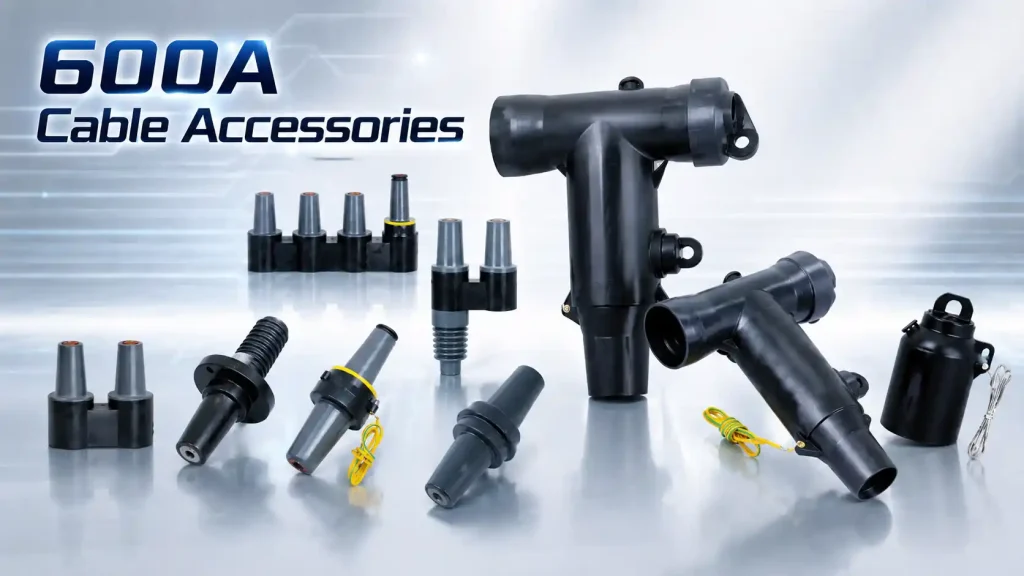
What Is a Separable Connector and Why Is It Used?
Understanding the basic function of a Separable Connector
أ موصل قابل للفصل is a medium-voltage cable accessory used to connect a power cable to electrical equipment in a safe, insulated, and detachable way. It is commonly installed between medium-voltage cables and equipment interfaces such as bushings on switchgear, transformers, ring main units, or cable branch boxes.
الوظيفة الرئيسية لـ موصل قابل للفصل is to create a secure electrical connection while maintaining insulation performance around the connection point. In medium-voltage systems, the connection area must withstand electrical stress, mechanical stress, environmental exposure, and long-term operating loads. A simple mechanical connection is not enough. The connector must help control the electric field, protect the conductor interface, and prevent external factors from affecting the cable termination area.
Because it is separable, this type of connector can be disconnected from the equipment interface when proper safety procedures are followed. This gives maintenance teams more flexibility when inspecting equipment, replacing parts, testing cables, or modifying the distribution network.
Why the “separable” design matters
The word “separable” is important because it describes one of the biggest advantages of this connection structure. In many medium-voltage systems, electrical equipment may need to be maintained, upgraded, replaced, or tested during its service life. If the cable connection is difficult to remove or inspect, maintenance work becomes more complicated and time-consuming.
أ موصل قابل للفصل allows the connection to be managed more conveniently. For example, when a cable branch box needs inspection, a transformer interface needs maintenance, or a switchgear connection needs testing, the separable structure can help reduce unnecessary dismantling work. This does not mean the connector can be disconnected casually. Medium-voltage work must always follow strict safety procedures. However, compared with fixed connection methods, the separable design improves serviceability.
This design is especially useful in systems where future expansion may be required. Power distribution networks often change over time. New loads may be added, equipment may be replaced, and cable routes may be adjusted. A موصل قابل للفصل helps make these changes easier to manage.
How it works with Medium Voltage Cable Accessories
أ موصل قابل للفصل is usually not used alone. It often works with other ملحقات كابلات الجهد المتوسط to form a complete cable connection system. These accessories may include bushings, busbars, T connectors, deadbreak connectors, surge arresters, protective caps, and other insulated components.
For example, a T-shaped connector may be used to connect a medium-voltage cable to equipment, while an insulated protective cap may be used to cover and protect an unused interface. A deadbreak bushing may provide a stable equipment-side connection point. Busbars may support layout flexibility in cable distribution or connection expansion.
Because these components must work together, compatibility is very important. A موصل قابل للفصل should match the cable specification, voltage level, current rating, interface type, and installation method. If one component does not match the system, the whole connection structure may be affected.
أين يُستخدم الموصل القابل للفصل بشكل شائع؟
المفاتيح الكهربائية ووحدات الحلقة الرئيسية
One of the most common application areas for a موصل قابل للفصل is medium-voltage switchgear and ring main units. These systems are widely used in power distribution networks and often require compact, insulated, and maintainable cable connections.
In switchgear, the cable interface must be reliable because it is connected to protection, control, and distribution equipment. A موصل قابل للفصل helps provide a stable connection between the incoming or outgoing cable and the equipment bushing. It also helps organize cable connections in compact spaces, which is important for modern electrical rooms and distribution cabinets.
In ring main units, the connection must support network reliability and maintenance access. RMU systems are often used in distribution networks where power routes need to be managed efficiently. A موصل قابل للفصل allows cables to connect securely while still supporting future inspection, testing, or replacement.
المحولات والمحطات الفرعية المدمجة
Transformers are another important application area. In medium-voltage power distribution, cables often need to connect to transformer bushings. A موصل قابل للفصل can provide an insulated cable-to-bushing connection that helps maintain electrical reliability.
In compact substations, space is often limited. The connection system must be safe, organized, and easy to maintain. A موصل قابل للفصل helps simplify medium-voltage cable interfaces and supports a cleaner installation layout. This is especially useful when substations are installed in commercial areas, industrial sites, renewable energy projects, or infrastructure facilities.
Transformer and compact substation applications often require careful attention to connector structure. Depending on the system design, deadbreak connectors, T connectors, integral deadbreak bushings, or protective caps may be needed. The correct combination helps ensure that the cable connection matches the equipment interface and operating requirement.
صناديق تفرع الكابلات وشبكات التوزيع
Cable branch boxes are commonly used to divide or extend medium-voltage cable networks. In these systems, connection flexibility is very important. A موصل قابل للفصل can support cable branching, network extension, testing, and replacement.
For underground or outdoor distribution networks, maintenance access can be more difficult than in an indoor electrical room. Therefore, a connection method that supports future service work is valuable. A موصل قابل للفصل can help technicians manage the cable connection more conveniently when the system needs to be inspected or modified.
In distribution networks, connection points are often exposed to long-term electrical and environmental stress. The connector must maintain insulation, sealing, and mechanical stability over time. Choosing the right موصل قابل للفصل can help reduce failure risk at these critical points.
Industrial and renewable energy power systems
Medium-voltage cable connections are also important in industrial facilities, commercial buildings, solar power stations, wind power projects, data centers, and infrastructure systems. These applications often require reliable power distribution and stable equipment operation.
In industrial environments, electrical systems may operate under heavy load conditions. The connection components must be durable and suitable for long-term use. In renewable energy systems, medium-voltage connections may be used between collection systems, transformers, and distribution equipment. A موصل قابل للفصل can help support flexible and maintainable power connection design.
Because different projects have different load profiles, equipment interfaces, and environmental conditions, the connector should always be selected according to the actual system requirement rather than only by general specifications.
Table 1: Common Application Scenarios for a Separable Connector
| سيناريو التطبيق | Typical Connection Need | Why a Separable Connector Is Useful |
| معدات التوزيع الكهربائي | توصيل الكابل بالمعدات | Supports compact, insulated, and serviceable medium-voltage connection |
| وحدة الحلقة الرئيسية | Network cable connection and power distribution | Helps improve maintenance access and connection flexibility |
| محول | Cable-to-bushing interface | Provides a stable insulated connection for power distribution equipment |
| صندوق تفرع الكابلات | Cable branching, testing, and network extension | Makes inspection, replacement, and system expansion more convenient |
| محطة فرعية مدمجة | Space-saving medium-voltage cable connection | Helps organize cable interfaces in limited installation space |
| Industrial Facility | Reliable power distribution connection | Supports long-term operation under demanding electrical conditions |
| Renewable Energy System | Cable connection between generation and distribution equipment | Helps improve system flexibility and maintenance efficiency |
ما الذي يجب التحقق منه قبل اختيار موصل قابل للفصل؟
Voltage rating and current capacity
Before choosing a موصل قابل للفصل, the first technical factors to check are voltage rating and current capacity. The connector must match the voltage level of the system. In many medium-voltage applications, systems may involve ratings such as 15kV or 24kV, but the exact requirement should always be confirmed according to the project design.
Current capacity is equally important. If the current rating is too low, the connection may overheat under load. Overheating can damage insulation, reduce service life, and increase failure risk. For example, a 600A connection solution may be required in certain medium-voltage cable systems, while other systems may need different current ratings.
The selected موصل قابل للفصل must be suitable for both normal operating current and the expected electrical conditions of the system. In addition, the related accessories, such as bushings, busbars, and protective caps, must also match the same system requirements.
Cable specification and equipment interface
Cable compatibility is another key point. A موصل قابل للفصل must match the cable conductor size, insulation diameter, shielding structure, and cable type. If the cable and connector do not match properly, installation quality may be affected. Poor matching can lead to weak contact, uneven electrical stress, sealing problems, or reduced insulation performance.
The equipment interface must also be checked. Different switchgear, transformers, RMUs, and cable branch boxes may use different bushing interfaces or connection structures. The connector should match the equipment-side interface mechanically and electrically.
This is why the selection process should not rely only on the connector name. Project teams should confirm cable data, equipment interface drawings, rated voltage, rated current, and installation method before making a final decision.
Connector structure and installation position
Different connector structures are used for different installation positions. A موصل قابل للفصل may appear as a T connector, deadbreak connector, front connector, rear connector, bushing-related component, or busbar-related connection part. Each structure has its own role in the system.
For example, a T-shaped connector is often used where the cable needs to connect to equipment through a compact and insulated interface. A deadbreak connector is used in systems where connection and disconnection are performed under de-energized conditions. A busbar may be used to support cable distribution or connection layout. An insulated protective cap may be used to protect unused interfaces and maintain insulation safety.
When selecting a موصل قابل للفصل, the installation position should be clear. The required component for a transformer interface may not be the same as the component needed for a cable branch box or RMU. Correct structure selection helps ensure easier installation and better long-term performance.
Installation environment and service conditions
The operating environment also affects connector selection. Medium-voltage cable connections may be installed indoors, outdoors, underground, in compact substations, in dusty industrial areas, or in humid environments. Temperature changes, moisture, dust, vibration, and space limitations can all affect long-term performance.
أ موصل قابل للفصل should provide suitable sealing, insulation, and mechanical stability for the installation environment. If the connector is used outdoors or in harsh conditions, environmental protection becomes more important. If the connector is installed in a compact electrical cabinet, space and cable bending conditions should be checked carefully.
Maintenance requirements should also be considered. If the system needs regular inspection, testing, or possible expansion, a separable structure can make maintenance more efficient. The connector should support the expected life-cycle service plan of the electrical system.
Table 2: Key Selection Factors for a Separable Connector
| عامل الاختيار | ما الذي يجب التحقق منه | لماذا هذا مهم |
| تصنيف الجهد | 15kV, 24kV, or project-specific voltage level | Ensures insulation performance matches the power system |
| التصنيف الحالي | 200A, 600A, or required load current | Helps prevent overheating and unstable electrical contact |
| مواصفات الكابل | Cable size, insulation diameter, shielding structure, and conductor type | Supports correct installation and long-term reliability |
| واجهة المعدات | Switchgear, transformer, RMU, cable branch box, or compact substation interface | Ensures mechanical and electrical compatibility |
| نوع الموصل | T connector, deadbreak connector, busbar, bushing, or protective cap | Matches the actual connection function and installation position |
| بيئة التثبيت | Indoor, outdoor, humid, dusty, compact, or high-load area | Affects sealing, insulation, and service life |
| Maintenance Requirement | Inspection, testing, replacement, or future expansion | Improves serviceability and reduces downtime |
How Does a Separable Connector Improve Safety and Maintenance?
Improving insulation around connection points
In medium-voltage systems, cable connection points are sensitive areas. Electrical stress is concentrated around the connection interface, so insulation design must be reliable. A properly selected موصل قابل للفصل helps control the electrical field and maintain insulation performance around the cable termination area.
Good insulation reduces the risk of partial discharge, flashover, and insulation breakdown. It also helps protect the cable and equipment interface from long-term electrical aging. Since medium-voltage systems often operate continuously for long periods, stable insulation performance is essential.
أ موصل قابل للفصل also helps create a more controlled connection structure than exposed or poorly organized cable interfaces. When used correctly with matching ملحقات كابلات الجهد المتوسط, the connection becomes safer, cleaner, and easier to maintain.
Supporting safer maintenance procedures
Safety is one of the main reasons why connector structure matters. In many medium-voltage systems, maintenance work must be performed under strict procedures after the system is properly de-energized, grounded, and verified. A deadbreak-type موصل قابل للفصل is designed for connection and disconnection under de-energized conditions.
This structure helps maintenance teams work with a more manageable connection system. When equipment needs to be checked or replaced, the separable design can reduce the need for unnecessary cable cutting or complex re-termination work.
However, it is important to note that a موصل قابل للفصل does not replace safety procedures. Medium-voltage operation must always follow professional electrical standards, proper isolation steps, and trained personnel requirements. The connector supports safer maintenance, but correct operation remains essential.
Making testing, inspection, and replacement easier
ميزة رئيسية لـ موصل قابل للفصل is maintenance convenience. Over the life of a power distribution system, cables and equipment may need testing, troubleshooting, or replacement. A separable connection makes these tasks easier compared with some permanent connection methods.
For example, if a cable route needs to be tested, the connector structure may allow easier access to the connection point. If an equipment interface needs maintenance, the cable connection can be managed more conveniently. If future system expansion is required, separable accessories can help reduce installation difficulty.
This is especially valuable in distribution networks where downtime can be costly. A موصل قابل للفصل can help improve maintenance efficiency and reduce unnecessary interruption time when used in the right system design.
Protecting unused interfaces
In medium-voltage connection systems, unused interfaces must also be protected. If an interface is left exposed or poorly sealed, it may be affected by dust, moisture, accidental contact, or insulation risk. Insulated protective caps are often used together with separable connection systems to protect unused or temporary interfaces.
A protective cap helps maintain insulation safety and keeps the connection system clean and secure. This small component can play an important role in long-term system reliability, especially in cable branch boxes, compact substations, and distribution equipment with multiple connection points.
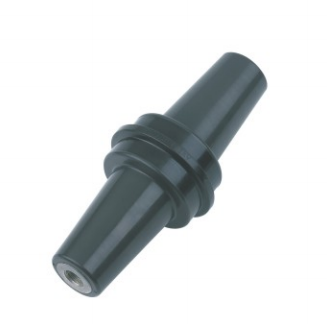
Which Separable Connector Components May Be Needed?
Busbars for flexible cable distribution
In some medium-voltage systems, busbar components are used to support cable distribution, branching, or connection layout. For example, mixed busbars and shaped busbars can help create flexible connection arrangements in specific power distribution designs.
Products such as JY HMP-15kV/600A/-200A Mixed busbars, JY YMP-15kV 200A 600A Shaped busbarو جي واي إم بي-15/24 كيلوفولت 600 أمبير قضيب توصيل can be understood as examples of components used for medium-voltage connection layout support. Their role is not only to conduct current but also to help organize the connection structure according to system requirements.
When using busbar-related components, compatibility with current rating, voltage level, installation space, and related connectors should be checked carefully.
Integral deadbreak bushings for stable interfaces
A bushing provides the equipment-side interface for the cable connection. In separable connection systems, integral deadbreak bushings can help create a stable and insulated connection point between the cable connector and electrical equipment.
Examples such as JY JCTG-15kV 600A جلبة متكاملة مع فاصل ميت و JY ZHT-15kV 600/200 جلبة متكاملة معزولة can be used in systems where a reliable equipment interface is required. These components help support the connection between the موصل قابل للفصل and equipment such as switchgear, transformers, or cable distribution units.
The bushing must match the connector structure. If the bushing interface and connector are not compatible, the installation may not provide the required electrical and mechanical performance.
T connectors and deadbreak connectors for cable connection
T connectors and deadbreak connectors are commonly used in medium-voltage cable connection systems. They provide an insulated connection structure that can fit specific equipment interfaces and cable arrangements.
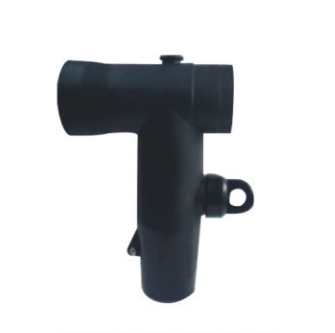
Examples include موصل JY TTL-15kV24kV 600 Deadbreak T, موصل أمريكي على شكل حرف T من طراز JY QJT-600 بجهد 15 كيلوفولت/24 كيلوفولت و 600 أمبير, موصل JY TIIT-/600 15kV/24kV 600A TIIT Deadbreakو موصل JY TT-600 15kV/24kV 600AT معزول تمامًا. These components may be selected according to voltage level, current rating, installation direction, interface type, and system layout.
A T-shaped موصل قابل للفصل is often useful when space is limited and the cable must connect to equipment in a compact layout. Deadbreak connectors are suitable for systems where safe de-energized connection and disconnection are required. The correct connector type should be chosen according to the actual electrical design rather than appearance alone.
Insulated protective caps for connection safety
Protective caps are also important in separable connection systems. The غطاء واقٍ معزول JY JYM-600 15kV 24kV 600A, for example, can be used to protect unused interfaces and maintain insulation safety.
Although a protective cap may seem like a simple accessory, it helps prevent contamination, accidental contact, and environmental influence on the interface. In medium-voltage cable systems, every exposed or unused connection point must be managed carefully. A suitable protective cap helps keep the system safer and more reliable during operation and maintenance.
How Can a Separable Connector Support Long-Term System Reliability?
Reducing failure risk at cable connection points
Many medium-voltage system problems begin at connection points. If the cable connection is poorly installed, incorrectly matched, or exposed to moisture and electrical stress, the system may face overheating, discharge, or insulation failure. A properly selected موصل قابل للفصل helps reduce these risks by providing a controlled, insulated, and mechanically stable connection structure.
Reliable connection design also reduces maintenance uncertainty. When the connection point is organized and compatible with the equipment interface, technicians can inspect and service the system more efficiently. This improves both safety and operating confidence.
Supporting future expansion and system upgrades
Power distribution systems are rarely static. Load demand may increase, new equipment may be added, and cable networks may need to be extended. A موصل قابل للفصل supports these changes by making the connection system more flexible.
For example, a cable branch box may need additional outgoing connections in the future. A compact substation may require equipment replacement. A transformer connection may need inspection or modification. In these cases, separable connection structures can reduce the difficulty of future adjustments.
This flexibility is one reason why موصل قابل للفصل solutions are often considered in modern medium-voltage cable system planning.
Improving life-cycle maintenance efficiency
A power distribution system should not only be easy to install; it should also be easy to maintain throughout its service life. A موصل قابل للفصل supports this goal by making inspection, testing, replacement, and system modification more manageable.
When used with compatible ملحقات كابلات الجهد المتوسط, the connection system can provide better serviceability and more predictable maintenance procedures. This helps reduce downtime, improve system planning, and support long-term operational reliability.
Matching the connector to the real project need
The best قابل للفصل موصل is not simply the strongest or most expensive option. It is the connector that matches the actual voltage level, current capacity, cable type, equipment interface, installation space, and maintenance requirement.
Before final selection, project teams should confirm the electrical design, cable data, equipment drawings, and installation environment. If the system requires 15kV or 24kV 600A connection components, related accessories such as busbars, bushings, deadbreak T connectors, T-shaped front connectors, deadbreak connectors, and insulated protective caps may need to be considered together.
خاتمة
Before using a موصل قابل للفصل, it is important to understand that it is not only a cable accessory but also a key part of the medium-voltage connection system. It helps connect cables to switchgear, transformers, ring main units, cable branch boxes, compact substations, and other distribution equipment while supporting insulation performance, mechanical reliability, serviceability, and long-term safety.
مناسب موصل قابل للفصل should be selected according to voltage rating, current capacity, cable specification, equipment interface, connector structure, installation environment, and maintenance needs. When used correctly with compatible ملحقات كابلات الجهد المتوسط, it can help reduce connection risks, simplify future inspection, and support safer power distribution.
For medium-voltage cable connection applications requiring components such as mixed busbars, shaped busbars, integral deadbreak bushings, deadbreak T connectors, T-shaped American front connectors, deadbreak connectors, and insulated protective caps, ييو provides Separable Connector solutions for different 15kV and 24kV 600A system requirements. By matching the right connector and accessory structure to the real project condition, medium-voltage cable systems can achieve safer installation, easier maintenance, and more reliable long-term operation.