
Pendahuluan
Medium voltage cable connection is not only about joining a cable to a piece of electrical equipment. In many power distribution systems, the real challenge is interface matching. A cable may need to connect with switchgear, a ring main unit, a transformer, a compact substation, or a cable branch box. Each type of equipment may use a different connection structure, and every connection point must match the cable, the voltage level, the current rating, the installation space, and the maintenance plan.
A Konektor Terpisah helps solve this matching challenge by creating a defined and removable connection between the cable side and the equipment side. Instead of treating the cable end as a fixed connection that is difficult to modify later, a Separable Connector makes the connection more structured, more adaptable, and easier to manage during installation, inspection, and future system adjustment.
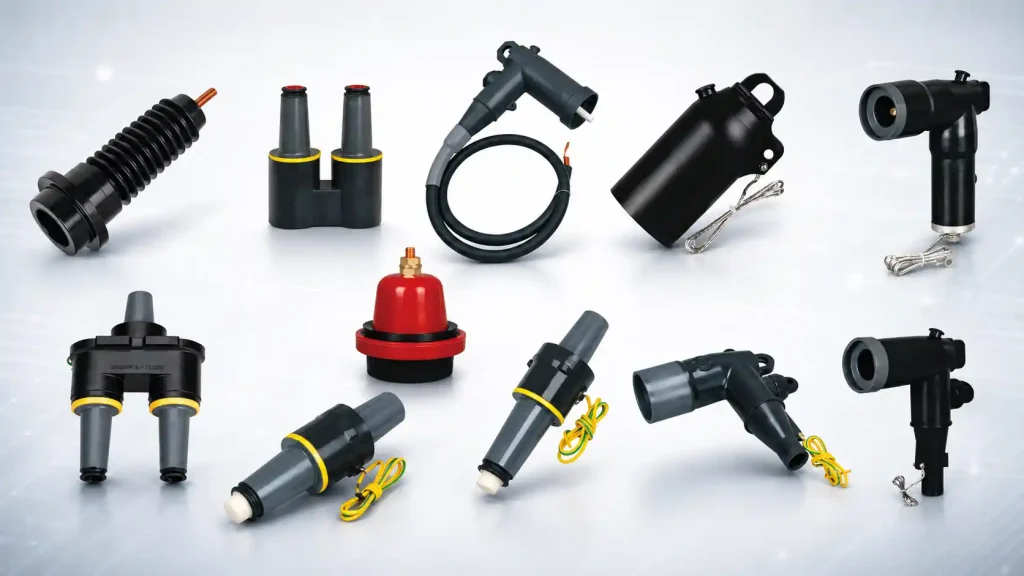
In practical medium voltage systems, a Separable Connector often works together with Medium Voltage Cable Accessories such as bushing inserts, casing seats, loadbreak elbows, grounding parts, insulation protection, surge protection, junction accessories, and extension components. These parts should not be selected separately without considering the complete system. They need to work together so the cable interface and equipment interface can fit correctly.
This article explains how a Separable Connector helps match cables with different equipment interfaces, what should be checked before selection, and why coordinated accessory planning can improve long-term connection reliability.
Why Do Different Equipment Interfaces Need the Right Separable Connector?
Different equipment creates different connection requirements
Medium voltage equipment may look similar from the outside, but the cable connection interface can be very different. A transformer may require one type of bushing connection. A ring main unit may need a compact elbow connection. A cable branch box may need a layout that supports branching, testing, or future extension. A switchgear cabinet may require a connection that fits within limited cabinet depth and cable bending space.
A Separable Connector helps bridge these differences. On one side, it must fit the prepared cable end. On the other side, it must match the equipment interface. If either side is not matched correctly, installation can become difficult and the connection may face unnecessary stress.
The value of a Separable Connector is that it gives the cable connection a clearer structure. Instead of depending on improvised on-site adaptation, the connection can be planned according to cable specification, voltage class, current rating, equipment interface, and accessory type. This makes medium voltage cable work more predictable and easier to control.
Interface mismatch can lead to practical problems
A poor interface match may not always cause an immediate visible fault, but it can create hidden risks. The connector may not sit correctly on the bushing. The cable may be forced into an unsuitable bending angle. The sealing surface may not be properly protected. The equipment interface may not provide enough room for safe installation. The accessory combination may not support the required grounding or protection method.
A Separable Connector helps reduce these problems when it is selected according to the real interface condition. The connector should not be chosen only by voltage rating or current rating. It should also be checked against the equipment drawing, cable entry direction, working space, operation method, and future maintenance requirements.
This is especially important when one project includes several types of equipment. If each connection point is selected without a complete interface plan, the installation team may face inconsistent accessory combinations. A Separable Connector allows the connection plan to become more standardized, even when different equipment interfaces are involved.
A clear connection method supports long-term maintenance
Cable systems need maintenance, inspection, testing, and sometimes replacement. If the cable interface is unclear, maintenance teams may spend extra time identifying the accessory type and connection method. A connection that is difficult to identify can also be more difficult to inspect safely.
A Separable Connector improves this situation by making the connection point more recognizable and serviceable. When the connector, bushing interface, grounding arrangement, and protection accessories are selected as one system, future maintenance becomes more organized. The team can understand what type of interface is being used and what support accessories may be needed.
For long-term operation, this clear structure matters. A Separable Connector can help reduce confusion during future inspection, cable replacement, equipment upgrading, or system expansion. It also supports better spare part planning because the interface type and accessory function are easier to identify.
How Does a Separable Connector Match the Cable Side and the Equipment Side?
Matching the cable side
The cable side must be checked before choosing a Separable Connector. The connector needs to match conductor size, insulation diameter, cable screen structure, cable preparation method, and the expected current carrying requirement. Even when the voltage class is correct, a poor dimensional match can affect sealing, installation quality, and electric field control.
Cable preparation also matters. The insulation surface should be clean and correctly treated. The cable shield should be handled according to the required connection method. The conductor connection should be stable, and the cable should not be forced into a tight bending position after installation.
A Separable Connector can only perform properly when the cable side is prepared and matched correctly. It should not be used as a way to compensate for poor cable preparation or unsuitable cable routing. The connector must be selected within the cable’s physical and electrical range so the finished connection can remain stable during operation.
Matching the equipment side
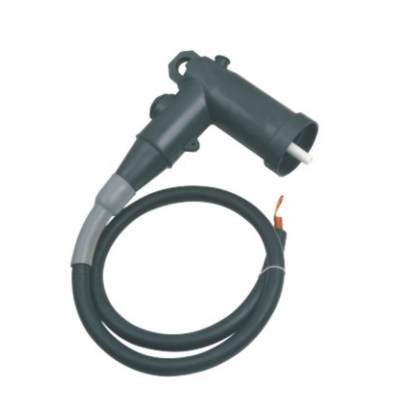
The equipment side determines what interface structure is required. A cable may need to connect to a bushing insert, casing seat, casing joint, loadbreak interface, or junction point. These accessories create the receiving interface between the equipment and the cable connection.
A Separable Connector must match this receiving interface accurately. If the connector and equipment interface are not compatible, the connection may have poor mechanical fit, weak contact, insufficient insulation coordination, or difficult installation access. This is why equipment drawings and interface specifications should be checked before ordering the cable accessory system.
Medium Voltage Cable Accessories are important here because they complete the interface. The connector is only one part of the connection path. The receiving interface, sealing protection, grounding method, surge protection, and unused interface protection may all affect the final connection result.
Matching the operation method
Different systems may require different operation methods. Some connections need loadbreak capability under specified operating conditions. Some connections mainly require fixed insulated connection. Some layouts need branch connection or extension flexibility. Others need grounding support, surge protection, or interface protection for unused ports.
A Separable Connector helps match the cable end with the required operation method. If a system needs frequent inspection or switching, the connector and accessories should support that requirement. If the system is more focused on stable long-term connection, the selection should emphasize insulation, sealing, interface compatibility, and mechanical stability.
A Separable Connector should therefore be selected according to how the connection will actually be used. The question is not only “Can it connect?” but also “Can it connect in the way this system needs?” This approach helps avoid mismatched accessories and makes the final system easier to operate and maintain.
Table 1: Common Interface Matching Points
| Matching Point | Apa yang Harus Diperiksa | Mengapa Ini Penting |
| Spesifikasi kabel | Conductor size, insulation diameter, screen structure | Helps the connector fit the cable correctly |
| Kelas tegangan | 15kV, 24kV, or project-specific rating | Helps avoid insulation mismatch |
| Peringkat saat ini | Required operating current and system design | Supports stable current carrying performance |
| Antarmuka peralatan | Bushing insert, casing seat, casing joint, or junction | Ensures mechanical and electrical compatibility |
| Operation method | Loadbreak, fixed connection, grounding, or testing needs | Affects installation and maintenance planning |
| Ruang instalasi | Cabinet depth, cable entry direction, bending radius | Helps reduce mechanical stress |
| Protection requirement | Insulation, grounding, surge protection, or unused interface protection | Supports safer long-term operation |
Which Medium Voltage Cable Accessories Support Better Interface Matching?
Interface accessories help create the correct connection point
A Separable Connector usually needs a suitable equipment-side interface. This may involve a bushing insert, casing seat, casing joint, or another interface component. These parts help create the point where the cable accessory meets the equipment.
When the interface accessory is correct, the cable connection can be installed more smoothly. The connector can align with the equipment. The contact position can be more stable. The insulation structure can be better coordinated. The cable route can also be planned with less unnecessary bending.
A Separable Connector should not be selected without checking the interface accessory. If the equipment side is wrong, the cable side cannot be properly completed. This is why the connector and its related Medium Voltage Cable Accessories should be reviewed together during the design stage.
Loadbreak and junction accessories support flexible layouts
Some medium voltage systems need more than a simple cable-to-equipment connection. They may require cable branching, extension, sectional connection, or a more flexible layout inside compact equipment. In these cases, loadbreak elbows, junction accessories, and extension components can help create a more practical cable arrangement.
A Separable Connector supports this type of layout by making the cable connection more modular. Instead of forcing every cable into a difficult position, the accessory system can be planned around the equipment interface and cable route. This is useful where cabinet space is limited or where future expansion may be required.
When loadbreak or junction accessories are selected correctly, the system becomes easier to install and easier to identify later. A Separable Connector can then support a cleaner connection structure, especially in cable networks with multiple incoming or outgoing lines.
Protection accessories improve connection safety and reliability
Some accessories do not mainly serve as the primary connection point, but they still play an important role in the system. Grounding components help support safer maintenance procedures. Insulation caps help protect unused or exposed interfaces. Surge protection accessories help reduce the impact of overvoltage from lightning or switching conditions.
A Separable Connector should be coordinated with these protection needs. If the system may require grounding during maintenance, the accessory plan should include suitable grounding support. If an interface is not immediately used, insulation protection should be considered. If the installation environment has overvoltage exposure, surge protection may be part of the complete connection plan.
This is why Medium Voltage Cable Accessories should be viewed as a coordinated system rather than a group of separate parts. A Separable Connector performs better when the surrounding accessories are selected for the same voltage level, current rating, interface structure, and maintenance requirement.
Apa yang Harus Diperiksa Sebelum Memilih Konektor yang Dapat Dipisahkan?
Electrical ratings should be confirmed first
The first step is to confirm the electrical requirements. A Separable Connector must match the system voltage, current rating, insulation level, and grounding method. If these ratings are not confirmed early, the selected connector may not match the actual operating environment.
Voltage class is especially important. Medium voltage systems may use different voltage levels, and the accessory design must match the required insulation performance. Current rating also matters because the connection must support the expected load under normal operation. A Separable Connector should always be selected according to project specifications rather than only a general product category.
Electrical matching also affects testing and protection coordination. A correctly rated Separable Connector helps maintain consistency between the cable, equipment interface, and protective system.
Mechanical fit should be reviewed carefully
Mechanical compatibility includes cable size, connector body size, equipment interface, installation space, cable bending radius, and working clearance. If any of these items are ignored, the installation may become difficult or the finished connection may be placed under stress.
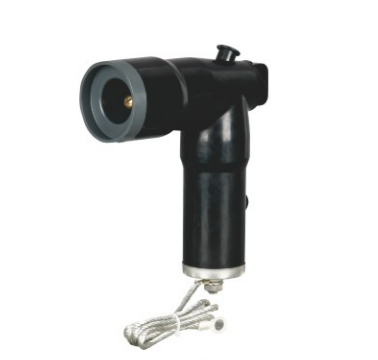
A Separable Connector must fit the actual equipment layout. In compact substations, ring main units, and cable branch boxes, space may be limited. The cable may need to enter from the bottom, side, or rear. The connector angle and accessory combination should allow proper cable routing without forcing the cable into an unsafe position.
Mechanical fit also affects installation efficiency. When the Separable Connector and its accessory system are selected correctly, the installer can work more smoothly and reduce the chance of rework. When the fit is uncertain, the site may need extra adjustment or replacement parts.
Protection and maintenance needs should be planned in advance
A medium voltage cable connection should be selected for its complete service life. It may need testing, grounding, inspection, replacement, or future expansion. A Separable Connector should therefore be chosen with maintenance needs in mind, not only initial installation.
If grounding access is required, the system should include suitable grounding accessories. If overvoltage protection is needed, surge protection should be considered. If unused interfaces may exist, insulation protection should be included. If cable branching or extension may be required, the layout should allow a suitable junction or extension arrangement.
A Separable Connector can make future work easier when the connection has been planned as a system. A connector chosen only for the first installation may become inconvenient later if the project requires inspection, cable replacement, or equipment changes.
Table 2: Selection Checklist for Interface Matching
| Selection Item | Key Question | Related Accessory Direction |
| Tingkat tegangan | What voltage class does the system require? | 15kV, 24kV, or project-specific cable accessories |
| Peringkat saat ini | What operating current should the connection support? | 200A or other suitable system rating |
| Cable structure | What is the conductor size and insulation diameter? | Cable-side connector matching |
| Antarmuka peralatan | What type of interface does the equipment use? | Bushing, casing, joint, or junction interface |
| Tata letak kabel | How does the cable enter the equipment? | Elbow connection or extension arrangement |
| Branch requirement | Does the system need branching or future expansion? | Junction and extension accessories |
| Maintenance safety | Will grounding or inspection access be needed? | Grounding and interface protection parts |
| Perlindungan lonjakan | Is overvoltage protection required? | Surge protection accessories |
| Unused interfaces | Are there spare ports or exposed connection points? | Insulation protection accessories |
How Can Proper Interface Matching Improve Long-Term Cable System Performance?
Better fit helps reduce connection stress
A cable connection should not be forced into position. If the cable bend is too tight, the connector angle is unsuitable, or the equipment interface is not aligned, mechanical stress may build up around the connection point. Over time, this can affect sealing, insulation stability, and contact performance.
A Separable Connector helps reduce these issues when it is matched correctly. The connection can follow the intended cable route. The accessory system can fit the equipment interface more naturally. The installation can be completed with less adjustment and less unnecessary stress on the cable.
This is one reason interface matching should be handled before installation begins. A well-selected Separable Connector can make the work more predictable and reduce the risk of site delays caused by incompatible parts.
Clear accessory matching supports future inspection
A medium voltage cable system may remain in service for many years. During that time, different teams may inspect, maintain, or modify the connection. If the accessory system is unclear, future work becomes harder.
A Separable Connector helps create a more identifiable connection structure. When the connector, bushing interface, grounding arrangement, insulation protection, and surge protection are selected as one system, the connection is easier to understand. This helps inspection teams identify what they are working with and what steps may be needed before maintenance.
A clear accessory plan also helps spare part preparation. Instead of guessing which component is needed, the project team can refer to the original interface design. A Separable Connector selected within a complete accessory system can therefore support better long-term maintenance planning.
Coordinated planning avoids isolated product selection
One common selection mistake is choosing a connector first and checking the equipment interface later. This can lead to mismatch, installation delay, or accessory replacement. A better method is to plan from the complete connection path: cable specification, equipment interface, voltage class, current rating, operation method, protection need, and maintenance requirement.
A Separable Connector should be selected together with Medium Voltage Cable Accessories. The system may include interface components, connection components, grounding parts, insulation protection, surge protection, junction parts, and extension accessories. These accessory directions should be matched according to the actual project layout rather than treated as separate product choices.
When this coordinated method is used, a Separable Konektor can help create a cleaner and more consistent medium voltage cable connection system. This is especially useful in projects that involve different equipment types and multiple cable paths.
Kesimpulan
A Separable Connector is important because medium voltage cables must connect with many different equipment interfaces. The cable side, equipment side, voltage rating, current rating, operation method, protection requirement, and installation space all influence the final connection result. When selected correctly, a Separable Connector helps make cable-to-equipment matching clearer, more organized, and easier to maintain over time.
For American cable accessory systems, product selection should be based on the actual interface structure, voltage class, current rating, and installation layout. In practical projects, a complete connection plan may involve loadbreak connection, equipment interface adaptation, grounding support, insulation protection, surge protection, cable branching, and extension needs. Instead of selecting each part separately, these Medium Voltage Cable Accessories should be matched as one coordinated system so the cable side and equipment side can fit correctly from the beginning.
YIEOU provides Separable Connector and Medium Voltage Cable Accessories options for medium voltage cable connection projects. Its related American cable accessory solutions support practical needs such as interface matching, cable-to-equipment connection, grounding, insulation protection, surge protection, branching, and extension, helping users build clearer and more reliable medium voltage cable connection systems.