
Introduction: The Critical Need for High-Performance Surge Protection at 10kV
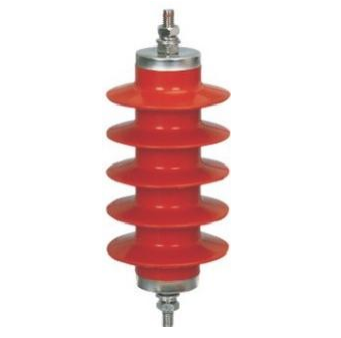
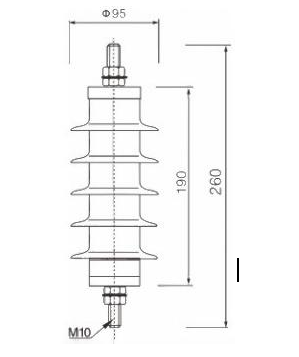
The zinc oxide arrester series HY(YH)5WZ-10kV emerges as a sophisticated solution designed specifically to protect these vital systems from the damaging effects of voltage transients. This comprehensive guide explores the technical specifications, applications, installation considerations, and performance advantages of this advanced surge protection technology, providing engineers and facility managers with the knowledge needed to safeguard their 10kV electrical infrastructure.
Understanding Surge Protection Challenges in 10kV Systems
Unique Characteristics of Medium-Voltage Environments
10kV electrical systems operate in a challenging transitional zone between low-voltage distribution networks and high-voltage transmission systems. These environments present distinct surge protection challenges:
- Higher Energy Transients: The increased voltage level means that when surges occur, they carry significantly more energy than in lower voltage systems, potentially causing more extensive damage.
- Critical Infrastructure: 10kV systems typically power essential facilities such as industrial plants, hospitals, commercial buildings, and utility substations, where downtime can have severe economic and safety consequences.
- Diverse Load Characteristics: These systems serve a mix of linear and nonlinear loads, including motors, transformers, power electronics, and sensitive control systems, each with different surge vulnerability profiles.
- Environmental Exposure: Many 10kV systems are installed outdoors or in harsh industrial environments, exposing surge protection devices to extreme temperatures, moisture, pollution, and mechanical stress.
The Evolution of Surge Protection Technology
Traditional surge protection methods have struggled to meet the demands of modern 10kV systems:
- Silicon Carbide Arresters: Required complex gap systems and suffered from limited energy absorption capabilities and maintenance requirements.
- Gas Discharge Tubes: Offered limited discharge current capacity and slower response times, making them unsuitable for high-energy applications.
- Basic MOVs: Often lacked the thermal stability and energy handling required for continuous medium-voltage operation.
The development of zinc oxide (ZnO) technology revolutionized surge protection by providing superior nonlinear characteristics, higher energy absorption capabilities, and self-resetting functionality without maintenance requirements. The HY(YH)5WZ-10kV series represents the culmination of these advancements, specifically engineered for the demanding 10kV environment.
Technical Specifications of HY(YH)5WZ-10kV Zinc Oxide Arresters
The HY(YH)5WZ-10kV series incorporates advanced design elements and materials to provide reliable protection in medium-voltage applications. Let’s examine its key technical parameters in detail:
Core Electrical Characteristics
| Parameter | Value | Significance |
|---|---|---|
| Rated Voltage | 10kV | Continuous power frequency voltage the arrester can withstand |
| Nominal Discharge Current | 5kA | Standard lightning impulse discharge capability |
| Maximum Discharge Current | 65kA | Maximum short-time discharge current capability |
| Voltage Protection Level | ≤27.5kV | Maximum residual voltage during discharge |
| Seismic Level | 8° | Resistance to earthquake vibrations |
| Operating Temperature Range | -40°C to +45°C | Environmental operating conditions |
| Pollution Level | IV | Degree of pollution resistance |
| Altitude Rating | ≤2000m | Maximum installation elevation |
| Pressure Relief Rating | 100kA | Current capability during pressure relief operation |
Advanced Construction Features
The HY(YH)5WZ-10kV series incorporates several innovative design elements that contribute to its superior performance:
- High-Performance Zinc Oxide Varistors:
- The core consists of specially formulated zinc oxide grains with highly nonlinear voltage-current characteristics
- Grain boundaries are engineered to provide optimal breakdown characteristics
- The varistor blocks are manufactured using advanced sintering techniques for uniform performance
- Robust Silicone Rubber Housing:
- Provides excellent environmental protection while maintaining flexibility in extreme temperatures
- Resistant to UV radiation, tracking, and erosion
- Excellent dielectric properties even in polluted environments
- Color-coding for phase identification (red, yellow, blue)
- Pressure Relief System:
- Engineered to safely contain and release internal pressure during fault conditions
- Prevents explosive failure that could damage adjacent equipment
- Maintains electrical isolation during pressure relief events
- Corrosion-Resistant Components:
- All metal parts manufactured from stainless steel or hot-dip galvanized steel
- Special treatment for hardware in contact with aluminum busbars
- Threaded connections designed to prevent loosening under thermal cycling
- Hermetic Sealing:
- Multi-layer sealing system prevents moisture ingress
- Maintains internal dryness throughout service life
- Eliminates performance degradation due to humidity
Performance Advantages
The HY(YH)5WZ-10kV series excels in several key performance areas critical for medium-voltage applications:
- Superior Energy Absorption:
- Can absorb high energy levels without degradation
- Suitable for applications with frequent switching operations
- Multiple discharge capability without performance loss
- Excellent Voltage Clamping:
- Low residual voltage (≤27.5kV) minimizes stress on protected equipment
- Consistent performance across wide temperature ranges
- No voltage overshoot during switching operations
- Thermal Stability:
- Low continuous operating leakage current reduces thermal stress
- Stable performance at elevated temperatures
- Reduced risk of thermal runaway
- Environmental Resilience:
- Maintains performance in high pollution environments (Level IV)
- Reliable operation in extreme temperatures (-40°C to +45°C)
- Resistance to UV degradation and moisture ingress
- Mechanical Robustness:
- Withstands mechanical stress during installation and operation
- Resistant to vibration and seismic activity (8° rating)
- Maintains integrity under thermal cycling
Applications of HY(YH)5WZ-10kV Zinc Oxide Arresters
The HY(YH)5WZ-10kV series is designed specifically for medium-voltage applications where reliable surge protection is critical. Understanding these applications helps engineers implement appropriate protection strategies.
Industrial Facilities
- Manufacturing Plants:
- Protection for motors, drives, and control systems
- Safeguarding PLCs and automation equipment
- Preventing damage to power distribution equipment
- Ensuring continuity of production processes
- Oil and Gas Industry:
- Protection for instrumentation systems in hazardous areas
- Safeguarding motor control centers in refineries
- Protecting critical pumping and compression equipment
- Ensuring safety systems remain operational during surge events
- Mining Operations:
- Protection for underground distribution systems
- Safeguarding surface processing plant equipment
- Protection for dragline and conveyor systems
- Ensuring mine ventilation systems remain operational
Commercial and Institutional Buildings
- Healthcare Facilities:
- Protection for critical medical equipment
- Safeguarding emergency power systems
- Protecting data centers and communication networks
- Ensuring uninterrupted power for life support systems
- Educational Institutions:
- Protection for research laboratories with sensitive equipment
- Safeguarding computer labs and IT infrastructure
- Protection for HVAC systems in large facilities
- Ensuring continuity of educational operations
- Commercial Office Buildings:
- Protection for elevator systems
- Safeguarding HVAC equipment
- Protecting telecommunications infrastructure
- Ensuring tenant services remain operational
Utility and Power Distribution
- Distribution Substations:
- Protection for transformers and switchgear
- Safeguarding control and protection systems
- Protection for capacitor banks and reactors
- Ensuring grid reliability during thunderstorms
- Renewable Energy Facilities:
- Protection for wind turbine step-up transformers
- Safeguarding solar farm inverters and combiners
- Protection for energy storage systems
- Ensuring renewable generation remains connected
- Industrial Power Plants:
- Protection for generator step-up transformers
- Safeguarding auxiliary systems
- Protection for switchgear and control systems
- Ensuring reliable power generation
Transportation Infrastructure
- Railway Systems:
- Protection for signaling systems
- Safeguarding traction power distribution
- Protection for station infrastructure
- Ensuring operational safety and reliability
- Ports and Maritime Facilities:
- Protection for crane power systems
- Safeguarding navigation and communication equipment
- Protection for shore power connections
- Ensuring cargo handling operations
Installation Guidelines for HY(YH)5WZ-10kV Zinc Oxide Arresters
Proper installation is crucial for the optimal performance and longevity of the HY(YH)5WZ-10kV series arresters. Following these guidelines ensures maximum protection and minimizes the risk of premature failure.
Pre-Installation Considerations
- Site Assessment:
- Evaluate environmental conditions (temperature, humidity, pollution)
- Identify potential surge sources (lightning, switching operations)
- Assess accessibility for maintenance
- Determine required seismic protection level
- System Compatibility Verification:
- Confirm voltage rating matches system requirements (10kV)
- Verify frequency compatibility (typically 50/60Hz)
- Ensure mechanical dimensions fit available space
- Check clearance requirements for adjacent components
- Safety Planning:
- Develop lockout/tagout procedures
- Prepare emergency response plans
- Ensure proper personal protective equipment is available
- Verify that qualified personnel will perform installation
Mounting Procedures
The HY(YH)5WZ-10kV series can be installed using various mounting methods depending on the application:
- Vertical Mounting:
- Use appropriate mounting brackets or clamps
- Ensure proper spacing from other components (minimum 150mm)
- Maintain recommended clearances for heat dissipation
- Torque mounting hardware to manufacturer specifications (typically 40-50 Nm)
- Horizontal Mounting:
- Use specialized horizontal mounting kits
- Ensure the arrester is properly supported to prevent mechanical stress
- Account for thermal expansion and contraction
- Verify that drainage paths are not obstructed
- Busbar Installation:
- Use proper busbar connectors rated for 10kV systems
- Ensure secure electrical contact with adequate contact pressure
- Apply recommended torque values for connections
- Use anti-oxidation compounds on aluminum busbars
Grounding Requirements
Effective grounding is essential for proper arrester operation:
- Ground Conductor Sizing:
- Use grounding conductors sized according to IEEE 80, typically no smaller than #2 AWG copper or #1/0 AWG aluminum
- Ensure conductors can handle maximum fault current
- Use continuous grounding without splices where possible
- Grounding Resistance:
- Maintain grounding resistance below 5 ohms, or as required by local regulations
- Implement grounding grids for large installations
- Consider soil conditions when designing grounding systems
- Ground Connection Points:
- Connect the arrester directly to the main ground bus or a dedicated ground point
- Use the shortest possible path to ground
- Ensure all connections are accessible for inspection
- Ground Inspection:
- Regularly inspect grounding connections for tightness and corrosion
- Test grounding resistance at least annually
- Document all measurements for trend analysis
Electrical Connections
Proper electrical connections ensure optimal arrester performance:
- Connection Torque:
- Apply manufacturer-specified torque values to all electrical connections
- Use calibrated torque wrenches for accurate tightening
- Document torque values for future reference
- Conductivity Enhancement:
- Use contact enhancers or anti-oxidation compounds on aluminum connections
- Ensure all surfaces are clean before applying compounds
- Avoid excessive use that could attract contaminants
- Clearance Requirements:
- Maintain proper clearances between the arrester and other components
- Follow relevant standards (IEC 62271, IEEE C37.30)
- Consider expansion and contraction in clearance calculations
- Phase Identification:
- Ensure correct phase connections to prevent improper operation
- Use color-coded components where available
- Verify phase rotation before final connections
Post-Installation Testing
After installation, conduct the following tests to verify proper operation:
- Insulation Resistance Test:
- Use a 2500V megohmmeter to verify insulation resistance
- Compare measurements with manufacturer specifications
- Document results for future reference
- Continuity Test:
- Confirm proper electrical continuity through the arrester
- Verify all connections are secure
- Check for any open circuits
- Ground Verification:
- Test grounding system effectiveness using a ground resistance tester
- Verify all ground connections are secure
- Document test results
- Visual Inspection:
- Check for proper mounting and alignment
- Verify all connections are tight
- Inspect for any physical damage during installation
Maintenance and Monitoring of HY(YH)5WZ-10kV Zinc Oxide Arresters
Regular maintenance and monitoring are essential for ensuring the long-term reliability and effectiveness of the HY(YH)5WZ-10kV series arresters. Implementing a comprehensive maintenance program helps prevent unexpected failures and extends equipment service life.
Routine Inspection Procedures
Establish a regular inspection schedule based on environmental conditions and criticality of protected equipment:
- Visual Inspections (Quarterly for normal conditions, monthly for harsh environments):
- Check for physical damage to the housing
- Look for signs of tracking or surface erosion
- Inspect mounting hardware for tightness
- Examine electrical connections for signs of overheating or corrosion
- Verify that pressure relief vents are unobstructed
- Check for evidence of animal intrusion or nesting
- Thermal Scans (Annually or as part of infrared program):
- Use infrared thermography to identify hot spots
- Compare temperature readings with baseline measurements
- Document any abnormal temperature patterns
- Pay special attention to connection points
- Grounding System Checks (Annually):
- Verify ground connection integrity
- Measure ground resistance at regular intervals
- Check for corrosion on grounding components
- Ensure grounding conductors haven’t been damaged
Diagnostic Testing
Periodic diagnostic testing helps identify potential issues before they lead to failure:
- Leakage Current Measurement (Annually):
- Use specialized leakage current meters
- Compare measurements with baseline values
- Document trends over time
- Investigate significant increases (>20% from baseline)
- Varistor Resistance Testing (Every 3-5 years):
- Perform insulation resistance tests
- Compare with manufacturer specifications
- Identify any degradation in protective characteristics
- Consider replacement if readings fall below minimum thresholds
- Discharge Capability Verification (As needed after known surge events):
- Conduct periodic discharge tests
- Verify that the arrester can handle rated discharge currents
- Document test results for trend analysis
- Replace if performance parameters are outside acceptable ranges
Record Keeping
Maintaining detailed records of maintenance activities and test results is crucial for effective asset management:
- Maintenance Logs:
- Record all inspection dates and findings
- Document maintenance activities performed
- Track replacement parts and dates
- Note any unusual observations or conditions
- Test Results Documentation:
- Store all test reports and measurements
- Compare current results with historical data
- Identify any trends that may indicate developing issues
- Use standardized forms for consistency
- Performance Trends:
- Analyze performance data over time
- Establish alert thresholds for key parameters
- Use data to predict remaining service life
- Identify patterns that may indicate system-wide issues
End-of-Life Considerations
All arresters have a finite service life, and recognizing when replacement is needed is critical:
- Failure Indicators:
- Significant increase in leakage current (>20% from baseline)
- Physical damage to housing or components
- Evidence of repeated pressure relief activation
- Test results outside acceptable parameters
- Discoloration or surface tracking on housing
- Replacement Planning:
- Schedule replacements before end of service life (typically 10-15 years)
- Consider upgrading to newer technologies when possible
- Plan for minimal system disruption during replacement
- Coordinate with maintenance schedules
- Retirement Procedures:
- Follow proper decommissioning procedures
- Dispose of old arresters according to environmental regulations
- Document retirement and replacement details
- Update system documentation to reflect changes
Advantages of HY(YH)5WZ-10kV Zinc Oxide Arresters Over Alternative Technologies
The HY(YH)5WZ-10kV series offers several significant advantages compared to other surge protection technologies for medium-voltage applications.
Comparison with Traditional Silicon Carbide Arresters
Silicon carbide arresters were the industry standard before the widespread adoption of zinc oxide technology:
- Superior Nonlinear Characteristics:
- Zinc oxide varistors exhibit a more abrupt transition from high to low resistance
- This results in better voltage clamping during surge events
- Less residual voltage is passed to protected equipment (≤27.5kV vs. higher for silicon carbide)
- No Follow Current Requirement:
- Silicon carbide arresters require follow current gaps to reset after a discharge
- The HY(YH)5WZ-10kV series self-resets without intervention
- This eliminates maintenance requirements related to gap adjustment
- Energy Absorption Capability:
- Zinc oxide arresters can absorb significantly more energy per discharge
- Multiple discharges don’t degrade performance
- Better suited for applications with frequent switching operations
- Size and Weight Reduction:
- The HY(YH)5WZ-10kV series achieves equivalent protection in a smaller package
- This simplifies installation and reduces physical space requirements
- Lighter weight reduces mounting hardware requirements
Advantages Over Gas Discharge Tubes
Gas discharge tubes (GDTs) are another common surge protection technology:
- Higher Discharge Current Capability:
- The HY(YH)5WZ-10kV series can handle much higher discharge currents (up to 65kA)
- Better protection against severe lightning events
- More suitable for medium-voltage applications
- Faster Response Time:
- Zinc oxide varistors respond faster than GDTs
- This provides better protection for sensitive equipment
- Minimizes the voltage spike that reaches protected components
- No Aging Effects:
- GDTs degrade with each discharge event
- The HY(YH)5WZ-10kV series maintains performance throughout its service life
- More predictable long-term performance
Benefits Compared to Voltage-Dependent Resistors
Voltage-dependent resistors (VDRs), also known as metal oxide varistors (MOVs), share some similarities but have key differences:
- Energy Handling Capability:
- The HY(YH)5WZ-10kV series is designed for higher energy applications
- Better suited for 10kV power system protection
- Can withstand more severe surge events
- Temperature Stability:
- Zinc oxide arresters maintain better performance across temperature extremes
- More reliable operation in harsh environments
- Less performance degradation at elevated temperatures
- Leakage Current Characteristics:
- Lower continuous operating leakage current
- Reduced thermal stress during normal operation
- Longer service life due to reduced self-heating
Superiority Over Spark Gap Arresters
Spark gap arresters are one of the oldest surge protection technologies:
- Precise Voltage Control:
- The HY(YH)5WZ-10kV series provides more precise voltage clamping
- Better protection for sensitive equipment
- Less voltage stress on protected components
- No Arc Extinction Issues:
- Spark gaps can have problems extinguishing follow current
- The HY(YH)5WZ-10kV series self-resets without follow current
- Eliminates risk of sustained arcing
- No Maintenance Requirements:
- Spark gaps require periodic inspection and adjustment
- The HY(YH)5WZ-10kV series is maintenance-free during service life
- Lower total cost of ownership
Industry Standards and Compliance for HY(YH)5WZ-10kV Zinc Oxide Arresters
Compliance with industry standards and regulations is essential for ensuring the reliability and safety of surge protection systems. The HY(YH)5WZ-10kV series meets or exceeds relevant standards, providing confidence in its performance and safety.
International Standards
The HY(YH)5WZ-10kV series complies with several key international standards:
- IEC 60099-4: This international standard applies to metal-oxide surge arresters for AC systems. The HY(YH)5WZ-10kV series meets all requirements for:
- Lightning impulse discharge capability (5kA nominal, 65kA maximum)
- Switching impulse discharge capability
- Pressure relief requirements (100kA rating)
- Seismic performance (8° rating)
- Environmental testing requirements
- IEEE C62.11: This standard covers metal-oxide surge arresters for AC power circuits. The arrester series complies with requirements for:
- Duty cycle testing
- Pressure relief testing
- Contamination performance (Level IV)
- Mechanical strength requirements
- ISO 9001: The manufacturing process is certified under ISO 9001 quality management standards, ensuring consistent product quality and reliability.
Regional Standards and Regulations
In addition to international standards, the HY(YH)5WZ-10kV series meets various regional requirements:
- North American Standards:
- UL 1449: Surge protective devices
- CSA C22.2 No. 144: Standard for surge protective devices
- IEEE C62.22: Guide for the application of metal-oxide surge arresters for AC systems
- European Standards:
- EN 60099-4: Identical to IEC 60099-4
- HD 637.41 S1: Harmonized document for surge arresters
- ATEX directive: For use in potentially explosive atmospheres
- Asian Standards:
- JEC 2300: Japanese standard for surge arresters
- KS C IEC 60099-4: Korean standard
- GB 11032: Chinese standard for metal-oxide surge arresters
Environmental and Safety Compliance
The HY(YH)5WZ-10kV series meets rigorous environmental and safety requirements:
- RoHS Compliance: The product is free from restricted hazardous substances as per the Restriction of Hazardous Substances directive.
- REACH Compliance: The product complies with Registration, Evaluation, Authorization, and Restriction of Chemicals requirements.
- Environmental Resistance:
- UV radiation resistance
- Salt spray corrosion resistance
- Extreme temperature resistance (-40°C to +45°C)
- Humidity cycling resistance
- Pollution resistance (Level IV)
- Safety Features:
- Pressure relief system prevents explosive failure
- Non-tracking housing reduces fire risk
- Proper insulation prevents electrical hazards
- Mechanical strength ensures structural integrity
Certification and Testing
The HY(YH)5WZ-10kV series undergoes comprehensive testing and certification:
- Type Testing: Each arrester model undergoes extensive type testing to verify compliance with standards, including:
- Impulse current tests (8/20μs and 10/350μs waveforms)
- Power frequency voltage tests
- Pressure relief tests
- Mechanical strength tests
- Environmental tests (thermal cycling, humidity, pollution)
- Routine Testing: Every manufactured unit undergoes routine testing to ensure quality and performance consistency:
- Visual inspection
- Resistance measurement
- Sealing verification
- High voltage tests
- Third-Party Certification: Independent laboratories verify compliance with standards, providing additional assurance of quality and performance.
Case Studies: Real-World Applications of HY(YH)5WZ-10kV Zinc Oxide Arresters
Examining real-world implementations of the HY(YH)5WZ-10kV series provides valuable insights into its practical benefits and performance in various applications.
Case Study 1: Industrial Manufacturing Facility
Background: A large automotive manufacturing facility experienced frequent equipment damage and unplanned downtime due to voltage transients in their 10kV power distribution system.
Challenge: The facility needed reliable surge protection for robotic assembly equipment, CNC machines, and control systems while minimizing maintenance requirements in a harsh industrial environment with high pollution levels.
Solution: Installation of HY(YH)5WZ-10kV zinc oxide arresters at key distribution points and critical equipment locations, with emphasis on areas with known switching operations.
Results:
- 90% reduction in surge-related equipment damage
- Elimination of unplanned downtime due to electrical transients
- 70% reduction in maintenance costs compared to previous silicon carbide arresters
- Extended equipment lifespan by an average of 3-4 years
- No performance degradation despite exposure to high pollution levels
Lessons Learned: The combination of high discharge capability and low residual voltage provided comprehensive protection without the need for additional protection devices. The sealed construction required minimal maintenance in the harsh industrial environment, and the pollution resistance ensured reliable operation in challenging conditions.
Case Study 2: Utility Substation Modernization
Background: A regional electric utility was upgrading a critical 10kV distribution substation to improve reliability and reduce maintenance costs. The existing protection system consisted of aging silicon carbide arresters requiring frequent maintenance.
Challenge: The utility needed a maintenance-free surge protection solution that could handle frequent switching operations and provide reliable protection during thunderstorm seasons while meeting stringent reliability requirements.
Solution: Replacement of existing arresters with HY(YH)5WZ-10kV series units at transformer connections, switchgear, and control systems throughout the substation.
Results:
- Zero surge-related equipment failures in the first three years of operation
- Elimination of all maintenance requirements related to surge protection
- Improved system reliability during severe thunderstorm events
- 30% reduction in total maintenance costs for the substation
- Extended service life of protected transformers and switchgear
Lessons Learned: The arrester’s self-resetting capability eliminated maintenance needs, while its high energy absorption capacity handled the frequent switching operations common in utility substations. The pressure relief system provided additional safety during fault conditions.
Case Study 3: Healthcare Facility Power System
Background: A regional hospital experienced intermittent equipment malfunctions and data corruption in their critical systems, attributed to power quality issues in the 10kV distribution network.
Challenge: The hospital needed surge protection that could safeguard sensitive medical equipment, IT systems, and emergency power systems without introducing power quality issues or requiring frequent maintenance in a critical environment.
Solution: Installation of HY(YH)5WZ-10kV series arresters throughout the facility’s power distribution system, with special attention to critical care areas, data centers, and emergency power systems.
Results:
- Elimination of equipment malfunctions attributed to voltage transients
- Protection maintained during utility switching operations and nearby lightning strikes
- No introduction of measurable power quality disturbances
- Compliance with healthcare facility electrical safety standards
- Zero maintenance requirements over five-year period
Lessons Learned: The precise voltage control of the zinc oxide arresters provided effective protection without compromising power quality. The reliability of the protection system was critical for maintaining patient safety and continuous operation in a healthcare environment.
Case Study 4: Renewable Energy Integration
Background: A 20MW solar farm with battery storage experienced equipment failures due to switching surges from the inverter systems and potential lightning strikes in their 10kV collection network.
Challenge: The renewable energy facility required surge protection that could handle the unique characteristics of renewable energy systems while withstanding harsh environmental conditions and meeting grid interconnection requirements.
Solution: Implementation of HY(YH)5WZ-10kV series arresters at inverter outputs, transformer connections, and array combiners throughout the facility.
Results:
- Zero surge-related equipment failures in the first four years of operation
- Protection maintained during severe weather events including nearby lightning strikes
- No performance degradation despite exposure to high temperatures and UV radiation
- Enhanced grid stability during interconnection events
- Reduced insurance premiums due to enhanced protection
Lessons Learned: The arrester’s ability to handle frequent switching surges from the inverters while maintaining protection against lightning events made it ideal for renewable applications. The robust construction ensured reliable performance in the exposed outdoor environment typical of renewable energy facilities.
Conclusion: The Essential Role of HY(YH)5WZ-10kV Zinc Oxide Arresters in Medium-Voltage Systems
The HY(YH)5WZ-10kV series zinc oxide arresters represent a sophisticated solution specifically engineered for surge protection in 10kV medium-voltage applications. Through their advanced design, superior performance characteristics, and robust construction, these arresters provide reliable protection for critical electrical equipment across diverse industries.
Key Benefits Summary
The HY(YH)5WZ-10kV series offers several compelling advantages for medium-voltage systems:
- Superior Protection: High discharge capability (up to 65kA) and low residual voltage (≤27.5kV) ensure excellent equipment protection during severe surge events.
- Environmental Resilience: Maintains performance in high pollution environments (Level IV) and extreme temperatures (-40°C to +45°C).
- Reliability: Robust construction and sealed design ensure consistent performance in harsh environmental conditions typical of medium-voltage applications.
- Low Maintenance: Self-resetting technology eliminates maintenance requirements related to follow current gaps, reducing total cost of ownership.
- Standards Compliance: Meets or exceeds relevant international and regional standards for safety and performance in 10kV systems.
Implementation Considerations
For organizations considering the HY(YH)5WZ-10kV series, several factors should be evaluated:
- System Requirements: Assess voltage levels, expected surge characteristics, and environmental conditions to ensure proper selection.
- Installation Quality: Follow manufacturer guidelines for installation to ensure optimal performance and safety, particularly grounding requirements.
- Maintenance Program: Implement a regular inspection and testing schedule to verify continued performance, though requirements are minimal compared to alternative technologies.
- Monitoring Capabilities: Consider integration with monitoring systems for enhanced asset management, especially in critical applications.
Future Outlook
As electrical systems become increasingly complex and sensitive, and as renewable energy integration grows, the importance of advanced surge protection in medium-voltage systems will continue to grow. The HY(YH)5WZ-10kV series is well-positioned to address current and future challenges through ongoing technological improvements and adaptation to emerging trends.
By implementing the HY(YH)5WZ-10kV series zinc oxide arresters, organizations can enhance equipment reliability, reduce maintenance costs, and extend asset lifespan while ensuring the safety and continuity of their 10kV electrical systems. In an era where electrical reliability is more critical than ever, advanced surge protection is not just an option—it’s an essential investment in operational resilience for medium-voltage infrastructure.