
Before the first parcel reaches an automated sorter, the warehouse needs an electrical supply that works with the building around it. Conveyor lines may fill the floor, robot charging areas may occupy former storage space, and loading docks can stay busy while a new hall is being fitted out. The medium voltage connection is usually farther upstream, inside distribution equipment or a transformer compartment. Its position still affects how practical the electrical installation will be once the warehouse is operating. A Separable Connector gives the incoming cable a defined equipment connection that can be considered alongside access, construction and future changes.
Quick Answer
A Separable Connector can provide a compact, insulated cable connection at compatible medium voltage equipment supplying an automated warehouse. We manufacture cable accessories for suitable switchgear, ring main units, transformer connections and cable branch equipment. In this application, their role is to connect the site distribution cable to the equipment supplying the building, with an arrangement that suits the installed cable and remains accessible for planned work.
At YIEOU, our manufacturing includes insulated connection bodies and corresponding cable accessories for defined equipment systems. We offer front connectors, matching rear connection arrangements and loadbreak elbows within their respective product families. The appropriate Separable Connector depends on the actual equipment interface and operating duty. Warehouse automation provides the application context, while the connection remains part of the site's medium voltage distribution rather than the plug connection to a robot, conveyor motor or control panel.
The Useful Connection Is Upstream of the Automation
A large logistics building can contain many distinct electrical users. Automated storage equipment, conveyors, battery charging areas and building services draw power through the site's distribution installation. Our accessories become relevant where a medium voltage cable meets compatible equipment feeding those downstream loads. That location may be a transformer beside the building or an RMU serving several warehouse halls across a distribution campus.
We manufacture Separable Connector structures for these defined equipment interfaces. An insulated cable connection can be incorporated into the equipment compartment while leaving the rest of the warehouse power installation to perform its own functions. The connection does not control material flow or decide which load receives priority. Its contribution is a practical cable termination at the point where the feeder enters the corresponding distribution equipment.
This matters when automation is added to an existing logistics building. The sorter may be new, but the transformer position and cable route may have been established when the warehouse used different handling equipment. We offer Separable Connector accessories that can suit the relevant equipment connection, including layouts with a compact cable compartment. The existing building arrangement therefore remains part of the product application, even if the automation installation receives most of the project attention.
A smaller warehouse may receive only a low voltage supply, with no medium voltage equipment within its own installation. Our Separable Connector range is relevant when there is a corresponding medium voltage cable interface to serve. That practical distinction helps equipment manufacturers and engineering contractors place the accessory in the correct part of the project, without treating every automated building as though it uses the same incoming distribution arrangement.
Busy Warehouses Make Electrical Access a Real Constraint
Once a warehouse starts operating, its open floor space rarely stays empty. Storage racks, packing stations and transport routes acquire established positions, while deliveries continue around the building. A Separable Connector installed near those activities needs a service position that remains usable after the construction team has left. We consider our cable accessories as components of the finished equipment arrangement, with access judged from the eventual operating environment.
For an electrical room beside a warehouse hall, the important issue may be the approach from a service corridor. For a transformer enclosure near loading docks, it may be separation from vehicle movements and material storage. We manufacture compact Separable Connector bodies, but a compact product cannot preserve its own access route. The surrounding installation needs to keep the equipment compartment approachable without turning a normal maintenance visit into a major rearrangement of warehouse activity.
Consider an electrical room that opens onto a route later used for empty pallets. During fit-out, there is plenty of room in front of the equipment. After opening, that space can become a convenient holding area. The cable connection itself has not changed, yet the time needed to reach it has. Our Separable Connector assemblies fit most usefully into a layout that preserves the electrical service area as a permanent part of the building.
The same reasoning applies to remote distribution enclosures around a logistics campus. A unit positioned beside a vehicle yard may be easy to reach from the road while being awkward to work on from its actual cable compartment side. Our accessories serve that final connection position. Thinking about the service side early helps the equipment enclosure, cable approach and site traffic arrangement work together during normal warehouse operation.
Table 1. Warehouse activity and the surrounding connection arrangement
| Location | Operating context | Connection consideration |
|---|---|---|
| Electrical room beside the hall | Storage and packing layouts change over time | Preserve the service corridor and compartment access |
| Transformer near loading docks | Vehicles and goods move around the enclosure | Keep the connection service side clear of handling activity |
| Distribution point serving another hall | Construction may continue beside operating buildings | Allow an identifiable cable route to the intended equipment position |
| Utility building on the campus | Services can be located away from the main sorter | Retain practical access even when the connection is outside the main operations area |
A Defined Interface Helps the Equipment Package Fit
Warehouse projects often bring together building electrical contractors, transformer package builders and automation integrators. The medium voltage cable connection sits between parts of that work. We manufacture Separable Connector bodies that can be incorporated into matching distribution equipment, giving the cable an established termination arrangement. A Separable Connector helps resolve that physical boundary while the enclosure and cable entry are still being coordinated.
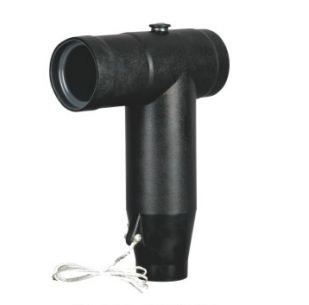
Our European front connectors suit corresponding equipment systems where that connection format is specified. For example, a front connection inside a transformer or RMU compartment can keep the cable termination within an insulated assembly rather than leaving exposed connection parts as an unresolved installation detail. The useful product feature is the completed connection structure within the equipment, with its grounding and installation requirements retained.
The actual bushing interface determines the connection family. Voltage and current labels alone do not establish mechanical compatibility, and an elbow is not automatically interchangeable with a T-shaped body. Our Separable Connector configurations follow the equipment system first. The conductor contact and the diameter over cable insulation then establish the cable-side fit, because conductor cross-section by itself does not describe the complete cable connection.
This gives package builders a practical way to consider the accessory without turning the warehouse project into a catalogue comparison. Where the interface is already defined, our Separable Connector configuration follows that equipment. The remaining application questions concern the cable entering the compartment, the room for its supported approach and the access needed to complete the intended installation. Those are directly connected to how the package will stand in the warehouse.
Cable Routes Have to Work Around the Finished Building
The last part of a feeder route can become difficult even when the main cable tray or trench is straightforward. A warehouse may have dock foundations, service pipes and an existing electrical room around the equipment position. Our Separable Connector bodies provide a defined cable entry at the equipment, but the cable still needs a workable route into that position. The final approach deserves attention alongside the larger distribution route.
An enclosure mounted above a trench may have room beneath it for the cable to rise naturally. Another enclosure against an existing wall may require a different approach. We manufacture Separable Connector accessories for their intended connection arrangements, so the installed cable direction belongs in the layout discussion. Choosing an equipment position simply because the empty enclosure fits can leave the connected cable competing for the same space as building services.
Cable support carries the feeder's weight and controls its approach to the bushing. The connection body should not be used to carry a suspended length of cable or hold a cable forcibly bent into position. A compact Separable Connector therefore works as part of a supported installation. Its body dimensions, cable bending requirements and grounding leads all need their intended space within the completed compartment.
In a warehouse extension, this is particularly relevant near the join between old and new buildings. A cable route can pass through an existing service area before reaching a new transformer position. Our Separable Connector range can serve the matching equipment interface at the end of that route, but the route itself needs to respect the way the warehouse will be used. A practical connection position avoids making the feeder approach dependent on temporary construction space.
Additional Halls Need a Clear Connection Arrangement
An automated warehouse can grow through additional storage halls, new picking areas or changes in the distribution of handling equipment. Our cable accessories can form part of the distribution equipment serving those changes. A later Separable Connector installation works best when its physical relationship to the existing equipment is clear, rather than being treated as a small detail after the new building space is committed.
We offer corresponding rear Separable Connector bodies for suitable front connection arrangements. Where the complete equipment system permits an additional cable at that position, a rear accessory provides one product option. This is useful when the required connection arrangement genuinely calls for another cable on the matched assembly. A separate hall may instead need its own feeder and switching arrangement, so the extension of the building does not automatically determine the extension of the connection.
A rear Separable Connector accessory does not increase the original bushing rating or turn a shared connection into an independently switched circuit. The complete assembly and equipment duty remain the basis for its use. We manufacture the rear connection for the corresponding product system, with that limitation preserved. This keeps the role of the accessory clear when a warehouse development includes both new cable connections and changes to the distribution equipment.
The construction sequence can also influence the connection position. If a new hall is being fitted out beside an operating building, its cable route may need to remain distinct from existing services. Our front and rear connection structures can be incorporated into a suitable planned arrangement. The useful result is a connection that the next construction team can reach and identify, without assuming that a spare space in an enclosure is already a complete future feeder.
Different Campus Equipment Can Use Different Systems
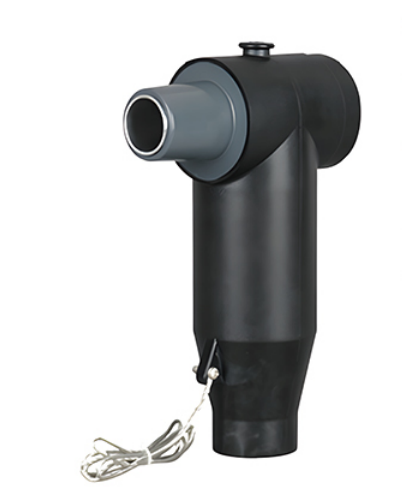
A logistics campus may combine a main warehouse substation with smaller distribution points for separate buildings or supporting services. We manufacture accessories for defined American-style and European-style equipment systems. That range allows different connection directions where the equipment calls for them, while keeping compatibility tied to the actual installation. A Separable Connector used at one campus position is not a universal spare for every other position.
For a transformer interface designed around a matching loadbreak elbow system, our elbow connectors provide the corresponding cable connection option. Where the equipment uses a European front connection arrangement, we offer that product direction instead. This distinction follows the equipment connection rather than the activity inside the building. A building used for returns handling does not acquire a particular connector type merely because it has fewer automated storage machines.
Loadbreak capability belongs to the specific matched system, its rating and its prescribed operating procedure. A loadbreak elbow does not authorize unrestricted energized separation, while a deadbreak connector must be de-energized and isolated as required before separation. Those operating differences remain important when a campus includes more than one equipment system. We keep the capability of each accessory distinct rather than applying one description to every detachable connection.
For warehouse operators, a consistent physical arrangement is useful where the equipment actually shares the same interfaces and cables. We supply the relevant connection structures within those systems. Where equipment differs, the accessory arrangement also needs to reflect that difference. The general word Connector does not replace the product-specific interface and operating information that governs the installed connection.
Planned Maintenance Must Respect Warehouse Operations
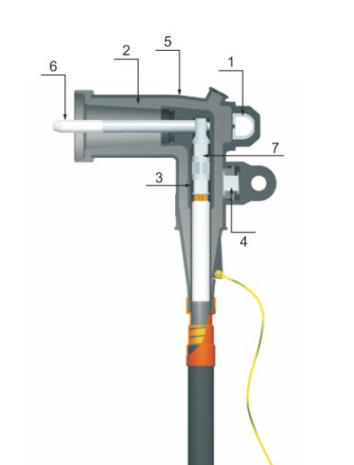
An automated warehouse can concentrate a large amount of handling work into a limited operating period. Planned electrical maintenance needs to recognize that operating pattern, with the circuit arrangement determining what can remain running. Our detachable cable accessories serve the equipment connection during properly planned work. A Separable Connector provides an established place for the cable to meet the equipment, which can be useful when that equipment requires attention.
The practical advantage depends on access as much as on the connection structure. A cable compartment that can be reached from the service area is easier to organize around than one hidden behind later building additions. We manufacture Separable Connector accessories that fit into the intended equipment arrangement, while the plant's isolation and service procedures govern the work itself. The connection does not provide backup power or maintain warehouse operation when its feeder is disconnected.
Equipment replacement creates another common situation. A transformer package may be changed while much of the building and cable route remains in use. The existing Separable Connector arrangement helps identify how the cable currently meets the equipment. If the new package has a different interface, however, the previous accessory configuration is not proof that the same connection can be retained. Our range remains organized around defined equipment and cable requirements.
Clean connection surfaces, intact accessories and the specified grounding arrangement support the product's intended use. A sealed body does not replace protection of the equipment enclosure against water ingress, physical impact or unsuitable environmental exposure. We offer the cable accessory for its specified operating conditions, with installation and inspection carried out under the relevant product instructions. Those practical limits matter even when the surrounding warehouse is a clean and orderly workplace.
Keep the Connection Practical Through the Warehouse Life
The case for a Separable Connector in an automated warehouse is the defined medium voltage equipment interface it can provide. A compatible connection, a supported cable approach and a service position that stays accessible give that accessory a useful place in the site's electrical installation.
At YIEOU, we manufacture insulated Separable Connector bodies and corresponding accessories for suitable distribution equipment. We offer front, matching rear and elbow arrangements within their respective systems. Their application should remain grounded in the actual equipment and the way the warehouse will operate around it.
Frequently Asked Questions
Does every automated warehouse need a Separable Connector?
No. Our accessories apply where the site has a compatible medium voltage cable connection to serve. A warehouse supplied only at low voltage may have no such interface within its own installation.
Does the connector supply the conveyor or robot directly?
It normally serves the upstream distribution equipment, such as a transformer or RMU. The connections at conveyor motors, robot chargers and control panels have their own duties and product requirements.
Can a rear connection provide power to another hall?
A matching rear accessory can provide an additional cable connection where the complete equipment arrangement permits it. It does not create an independently switched feeder or increase the rating of the existing bushing.
Can the same accessory be used across the entire campus?
Only where the actual equipment interfaces, cables and operating requirements match. Our American-style and European-style product systems must remain distinct, even when their applications are on the same site.
Can a deadbreak Separable Connector be separated while the warehouse runs?
The connection requires the prescribed de-energization, isolation and verification before separation. Whether other warehouse areas continue operating depends on the circuit arrangement and the site's operating procedures.
What makes the connection easier to maintain later?
An accessible equipment compartment, an identifiable cable route and appropriate independent cable support help preserve a practical service position. Those features need to remain usable after racks, packing areas and vehicle routes take their final form.