
A green hydrogen plant brings together equipment that arrives on different schedules: the incoming substation, power conversion packages, electrolyser modules, water treatment equipment and supporting utilities. The medium voltage cables between electrical buildings and transformer packages still need a practical place to end. That connection becomes particularly important when the first production block is ready while another part of the site remains under construction. A Separable Connector gives the cable a defined equipment interface, with an arrangement that can be considered alongside the way the plant will be assembled, expanded and maintained.
Quick Answer
We manufacture Separable Connector assemblies and medium voltage cable accessories for matching switchgear, ring main units, transformers and cable branch equipment. In a green hydrogen project, these products belong at suitable AC distribution interfaces feeding the plant’s electrical equipment. Their value comes from bringing the cable termination into a compact, insulated connection arrangement that fits the actual equipment and remains accessible through the plant’s operating life.
At YIEOU, our manufacturing focuses on insulated cable connection bodies and their corresponding accessories. We offer front connectors, corresponding rear connection arrangements and insulating accessories for suitable equipment systems. A useful Separable Connector configuration follows the equipment interface, the installed cable and the space around the connection. The installation environment remains part of that application.
The Connection Belongs in the Plant Power Supply
Green hydrogen production uses electricity to produce hydrogen through electrolysis. For our cable accessories, the relevant part of that application is the AC distribution feeding transformers and power conversion equipment. We manufacture the connections that join suitable medium voltage cables to the associated distribution equipment. The electrolyser’s internal electrical connections and its low voltage DC connections have different duties and fall outside that product application.
This distinction gives the project a clearer starting point. A discussion about a Separable Connector can begin at a transformer cable compartment, an RMU feeder or another compatible equipment connection. It does not need to become a discussion of the chemistry inside the electrolyser. Keeping the connection at the correct location also helps equipment manufacturers understand where our accessories can be incorporated into a packaged installation.
A production site may divide its incoming power among several electrical areas. One transformer package may serve a production block, while another supports plant utilities. We offer cable accessories for the relevant equipment connections within those areas, where the equipment interface and operating conditions match the particular product. The plant’s total production capacity alone does not define the connection required at any one position.
For an EPC contractor or package builder, the practical question is therefore where the cable arrives and how it meets the equipment. A connection inside a completed electrical room presents a different installation setting from one inside a transformer enclosure delivered as a separate package. Our Separable Connector range supports defined cable interfaces in these settings without prescribing a single layout for every hydrogen project.
Equipment Packages Need Compatible Cable Interfaces
Hydrogen projects can combine equipment from several package manufacturers. A switchgear lineup may be assembled in one factory, the transformer package in another, and the incoming cable installed at the site. We manufacture connection accessories for particular equipment systems, so the connection between these packages deserves attention before their surrounding structures become fixed. The package boundary is often where a small accessory has a direct effect on assembly work.
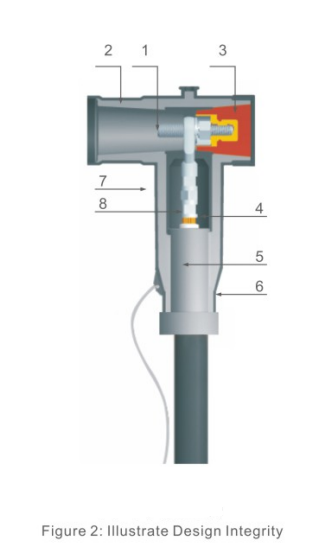
Our European Separable Connector structures are one relevant product direction where the equipment uses the corresponding interface. We manufacture these insulated connection bodies for cable connections to suitable distribution equipment. A Separable Connector at that position provides an identifiable termination arrangement that can be accommodated in the equipment package, rather than leaving the final cable connection as an unresolved detail after delivery.
The equipment bushing comes first. Its interface determines the connection system, while the cable conductor contact and the fit over the cable insulation determine the appropriate cable-side configuration. Two cables with the same conductor cross-section can have different insulation diameters. Likewise, similar current ratings do not make different connector systems interchangeable. These distinctions matter because a product that appears suitable on a general equipment list may still fail to fit the actual connection.
We keep that technical explanation close to the assembly decision. The objective is a compatible Separable Connector arrangement with room for the cable to enter naturally. There is little benefit in comparing many models when the equipment interface already establishes the relevant product family. Our front connection structures serve that defined interface, with the remaining configuration following the actual cable and installation conditions.
Modular Production Makes Connection Planning Valuable
A green hydrogen development may begin with one production block and add further modules later. That creates an application for our cable accessories beyond the initial equipment assembly. The first Separable Connector installation becomes part of a plant that may continue to change around it. Cable routes, reserved equipment positions and access to existing connections all affect how practical the next construction phase will be.
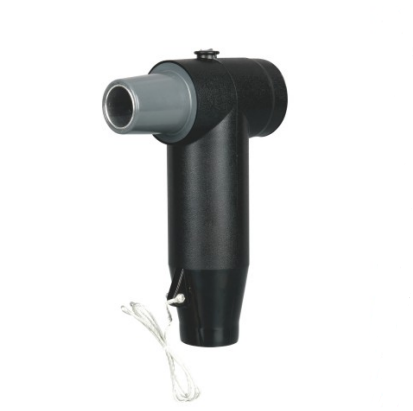
We offer corresponding front and rear Separable Connector arrangements within suitable European systems. Where the complete arrangement permits it, a rear connection can accommodate an additional cable connection without treating every extension as a new standalone termination layout. That option is useful when a package includes a genuine requirement for an additional cable at the same connection position. It remains a specific equipment configuration rather than a default feature for every production block.
Adding a connection does not create an independently switched feeder or increase the rating of the equipment bushing. Our rear accessories form part of a matched connection assembly. The intended circuit arrangement and the installed combination establish whether that option is appropriate. We therefore describe the additional connection in terms of the equipment duty it serves, without presenting it as a way to bypass capacity or switching requirements.
The construction sequence also matters. If a later module will arrive beside an operating electrical building, the first cable installation can preserve a clear route to the reserved connection. Our Separable Connector accessories are most useful when the surrounding cable arrangement leaves the intended extension position accessible. A nominal spare location can become difficult to use if the first phase places permanent cable supports directly in front of it.
For example, an initial production block may occupy one side of an electrical area while a later block uses the adjacent space. The connection layout can reflect that sequence by keeping each cable approach identifiable and allowing access from the finished service side. This is a practical application of our detachable accessories: the connection arrangement remains understandable as the site develops, with each extension tied to a compatible assembly.
Reserved Connections Need a Finished Operating Arrangement
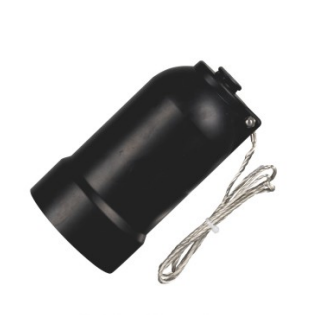
Unused equipment positions are common during staged construction. Our insulating caps provide a defined way to protect corresponding spare interfaces when the applicable equipment arrangement requires them. This is part of the finished distribution installation, even though the future cable has not yet arrived. A Separable Connector project can therefore include both active cable connections and correctly protected positions for a later phase.
We manufacture European insulating caps for their specified Separable Connector equipment interfaces. For example, our 12kV cap belongs on the corresponding 12kV equipment connection, with its prescribed grounding arrangement. It is an electrical insulating accessory rather than a temporary shipping cover. Its rating and interface must suit the position it protects; a cap used elsewhere on the site is not automatically suitable for every spare connection.
The practical value is easy to see during phased commissioning. A transformer package can arrive with one connection ready for service and another position reserved for later work. The reserved position still needs its intended operating protection. We supply the relevant insulating accessories as part of that connection requirement, so an unfinished expansion stage does not leave the equipment interface treated as a storage detail.
A later construction team also benefits from an arrangement that is easy to recognize. The installed cap, the available access and the future cable approach can all remain visible within the equipment compartment. Our Separable Connector accessories serve their electrical roles within that arrangement. Clear identification and accessible equipment positions help the plant preserve the original expansion intention without depending on how a temporary construction area happened to be organized.
Compact Packages Still Need Space for Real Cables
Packaged electrical equipment is attractive when a hydrogen project needs repeatable production blocks. The cable connection, however, must work inside the completed package. We manufacture compact connector bodies, but the useful space around a Separable Connector includes more than the body itself. The cable enters from a trench or tray, reaches its support and then approaches the equipment bushing. That route deserves space in the package layout.
A factory assembly area can hide this issue. With the enclosure open and the package standing clear of adjacent structures, the connection may look easy to reach. At the plant, the same compartment may face a fixed walkway, another enclosure or a permanent wall. We consider our cable accessories as installed components, with access judged from the finished equipment position rather than the temporary freedom of the workshop.
The cable’s weight and bending requirements also affect that position. Independent support carries the cable, while the connector provides its intended electrical interface. A cable forced sideways to reach the bushing can place continuing mechanical load on the connection. Our Separable Connector bodies are therefore part of a supported cable arrangement, with the approach aligned to the equipment rather than shaped by the last available space.
There is an organizational benefit as well. Production packages that use a consistent cable entry direction are easier to understand during assembly and later service. We offer defined connection structures that can be integrated into such packages. Consistency is useful when the actual interfaces and cables remain the same; it should not conceal a change in equipment or turn a previous configuration into an assumed fit for a different package.
For plant utilities, the same principle applies at a different physical location. A feeder serving water treatment or another supporting area may terminate in a smaller enclosure away from the main production blocks. The Separable Connector arrangement still needs a workable cable entry and access position. Its suitability follows that equipment connection, even when the feeder receives less attention than the main production transformer.
The Electrical Environment Sets the Application Boundary
A hydrogen plant contains areas with different environmental and operating requirements. Our ordinary medium voltage accessories belong in locations that meet their specified service conditions. A screened and sealed Separable Connector does not, by itself, qualify an installation for an explosive atmosphere. Equipment in a classified area requires the applicable suitability assessment for the complete installation. We make no blanket hazardous-area claim for these distribution accessories.
For suitable electrical rooms and equipment enclosures outside those areas, our insulated and shielded connection structures provide their intended cable termination functions. The enclosure and installation still determine exposure to water, construction dust and the surrounding plant environment. We manufacture the Separable Connector accessory for its defined connection, while its use remains tied to the conditions of the equipment compartment in which it is installed.
This matters particularly when construction and commissioning overlap. Finished electrical packages may stand near ongoing civil work or equipment delivery routes. Keeping the connection compartment protected during that period supports a clean final installation. Our Separable Connector assemblies benefit from the same practical care as the rest of the completed electrical equipment, including protection against damage before their specified installation and commissioning steps are complete.
The location also influences later access. A connection inside a protected electrical building may be approached through a normal service aisle, while a remote utility package may require a different access arrangement. We offer connection accessories for the corresponding electrical equipment, with their practical application shaped by the finished site. The useful question is whether the location supports the product’s actual conditions throughout operation, rather than whether the plant has a general indoor or outdoor label.
Planned Service Should Follow the Production Layout
A plant organized into production blocks often wants its electrical equipment to remain understandable at the same level. Our detachable cable accessories can support planned work at compatible equipment interfaces, with the required isolation and access arrangements. A Separable Connector gives the cable an established connection position, which can be helpful when an equipment package needs attention during a scheduled outage.
Deadbreak connections must be separated only after the prescribed de-energization, isolation and verification procedures. The connector does not perform the load switching function of the switchgear. The word Connector describes a connection component; its actual operating capability comes from its specific design and rating. This distinction keeps maintenance expectations consistent with the accessory fitted to the equipment.
Service planning is also a question of physical organization. A clearly routed cable, an accessible connection and an identifiable equipment position make the installation easier to follow when work is due. We manufacture Separable Connector accessories that fit into that arrangement. We do not attribute independent plant availability to the connector alone, since the circuit design, switching equipment and operating procedures determine which parts of a hydrogen facility can remain in service.
Replacement equipment brings another useful application consideration. If a transformer package changes during the plant’s life, the existing cable route may remain useful while the new equipment interface differs. A previous Separable Connector configuration is then a starting point for understanding the installed arrangement, rather than proof of compatibility. Our Separable Connector range provides defined equipment and cable connection options within the corresponding product systems.
For repeat production blocks, maintaining a clear connection arrangement can also simplify the physical organization of spare accessories. The useful commonality comes from compatible installed equipment, not from treating every insulated component as equivalent. We offer the corresponding bodies and insulating accessories for the intended connection system, helping package builders preserve a consistent product configuration where the actual application remains unchanged.
A Practical Connection for a Developing Plant
Green hydrogen projects need electrical connections that fit the first installation and remain practical as production areas develop. We manufacture Separable Connector assemblies and associated insulating accessories for suitable distribution equipment. Their application is strongest when the equipment interface, cable route, reserved positions and service access have been considered together.
Our contribution at YIEOU is a defined Separable Connector installation within that wider plant. We offer the relevant front, corresponding rear and insulating configurations for matching equipment systems. Keeping those connections accessible and within their actual service conditions gives the plant a sound starting point for staged construction and planned maintenance.
Frequently Asked Questions
Where does a Separable Connector fit in a green hydrogen plant?
It fits at a compatible medium voltage AC cable connection to distribution equipment such as switchgear, an RMU or a transformer. Our accessories serve that equipment interface, rather than the electrolyser’s internal or low voltage DC connections.
Does modular electrolysis make every cable connection identical?
No. Repeated production blocks may share a configuration when their equipment interfaces, cables and service conditions match. We manufacture defined connection systems, so changes between packages still affect the appropriate accessory arrangement.
Can a rear connection support a later production phase?
A corresponding rear accessory can provide an additional cable connection where the complete equipment arrangement permits it. It does not add an independent switching function or raise the rating of the original equipment connection.
What protects an unused equipment connection?
A correctly rated insulating cap protects the corresponding spare interface under its specified conditions. We offer these electrical accessories for appropriate equipment systems; a temporary transport cover does not perform the same role.
Are these accessories automatically suitable for hydrogen hazardous areas?
No. Our ordinary distribution accessories require their specified service environment. A hydrogen hazardous area requires the appropriate assessment of the complete installation, without inferring suitability from insulation or sealing alone.
Can a deadbreak Separable Connector be removed during production?
It requires the prescribed de-energization, isolation and verification before separation. Any decision about keeping other production areas running belongs to the plant’s circuit arrangement and operating procedures.