
Introduction
A Separable Connector is a critical interface in medium voltage cable networks because it connects cables to switchgear, transformers, ring main units, compact substations, and cable branch boxes through an insulated and removable structure. For purchasing teams, the main question is not only whether a model can be supplied, but whether the selected product can match the actual system voltage, equipment bushing, cable size, grounding plan, protection requirement, and maintenance method.
In 15kV and 24kV 200A American-style cable systems, a Separable Connector often works with bushing inserts, casing seats, grounding elbows, insulation caps, loadbreak junctions, lengthening casings, and elbow surge arresters. These parts should be reviewed as one Medium Voltage Cable Accessories system. When the connection group is selected correctly, the cable interface becomes easier to install, safer to test, and more stable during long-term operation.
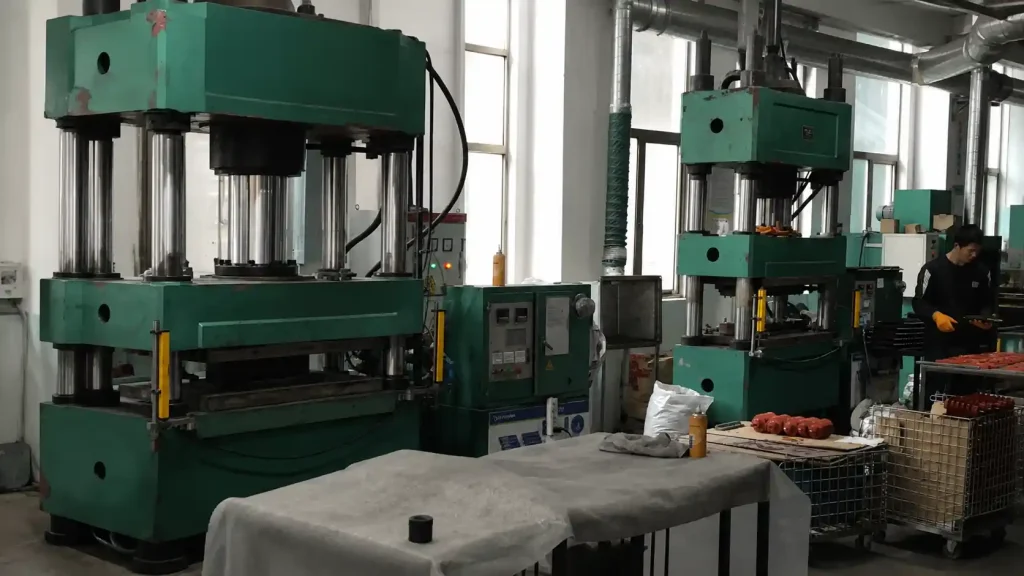
What Should You Confirm Before Evaluating a Separable Connector Manufacturer?
System voltage and current rating
Before comparing available Separable Connector options, the first step is confirming the electrical parameters of the project. Voltage level, current rating, cable structure, and equipment interface must be clear before model selection. A 15kV 200A system and a 24kV 200A system may look similar in product layout, but the insulation design and matching accessories can be different.
A Separable Connector should never be selected only by appearance or a short catalog name. Purchasing teams should confirm whether the product is intended for the correct voltage class, whether the current rating matches the load requirement, and whether the connector can match the bushing or casing structure on the equipment side. This reduces the risk of wrong delivery, field modification, and unstable operation after installation.
Cable and equipment interface
The cable data is just as important as the equipment data. Conductor size, insulation diameter, shielding structure, cable preparation length, and terminal style all affect installation quality. If a Separable Connector does not match the cable correctly, the installer may face poor fitting, weak contact pressure, or uneven insulation stress.
The equipment interface should also be checked in advance. Ring main units, transformers, branch boxes, and switchgear may use different bushing arrangements. The Separable Connector must work with the correct bushing insert, casing seat, or casing joint. A reliable technical team should ask for technical details before recommending a model, especially when the project includes multiple cabinets or several voltage levels.
Maintenance and expansion needs
Medium voltage systems often require inspection, grounding, testing, or future expansion. This is why a Separable Connector should be selected with maintenance in mind. An unused bushing may need an insulation cap. A maintenance procedure may require a grounding elbow. A branch layout may need a loadbreak junction or double-pass casing connector.
For procurement work, this means the selected Separable Connector should support the complete installation plan, not only the first connection point. The best choice is usually a Separable Connector that fits the current layout and also keeps future maintenance work organized.
How Can Product Range Show Whether a Separable Connector Supplier Understands 15kV and 24kV Systems?
Loadbreak elbow connector options
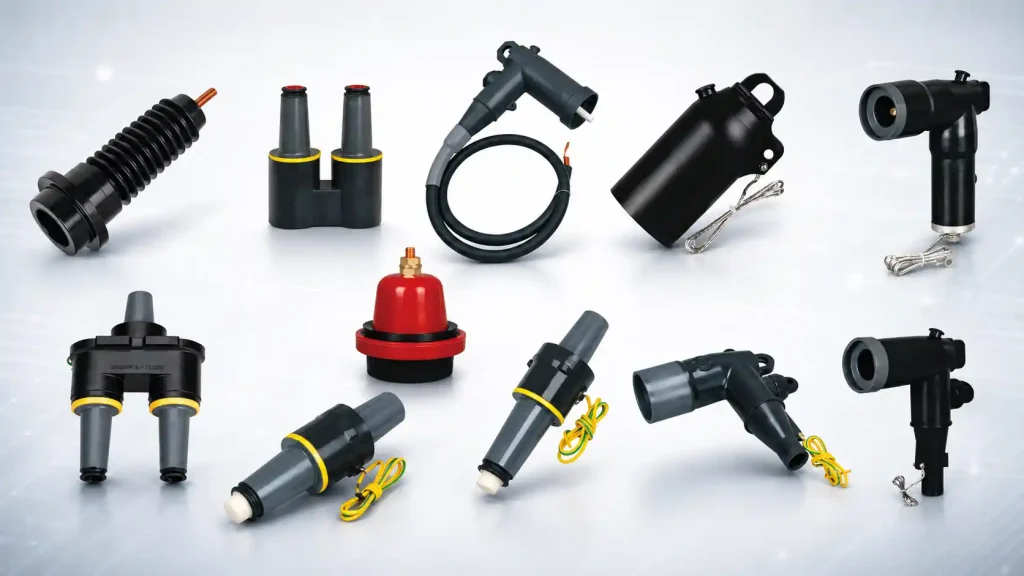
A complete product range helps show whether a Separable Connector supplier can support practical system matching. In American cable accessory applications, loadbreak elbow connectors are common for cable-to-equipment connection. Models such as JY ZT-15/200 15kV 200A Loadbreak Elbow Connector and JY ZT-25/200A Loadbreak Elbow Connector can be considered according to voltage level, interface type, and system requirement.
A Separable Connector used as a loadbreak elbow must provide stable insulation, contact reliability, and convenient installation direction. It should also match the related bushing insert or casing seat. If the elbow connector and the equipment-side interface are not selected together, the project may face fitting issues during installation.
Casing, bushing, and junction products
Bushing inserts and casing products complete the interface between the cable connector and the equipment. JY DTT-15/200 15kV 200A Bushing Insert, JY DTT-24/200 24kV 200A Single-pass Casing Joints, JY TGZ-200 15kV/24kV 200A Casing Seat, and JY JCTGZ 15/200 15kV 200A Lengthening Casing all support different interface needs.
A Separable Connector system may also require JY STT-15/200 15kV 200A Double-pass Casing Connector or JY MP-15kV 200A Loadbreak Junction when cable branching or multiple connection points are involved. These accessories help make the layout more flexible while keeping the connection structure clearer.
| Product Model | Voltage / Current | Product Type | Main Use in the System |
| JY ZT-15/200 | 15kV 200A | Loadbreak Elbow Connector | Cable-to-equipment connection |
| JY ZT-25/200A | 25kV 200A | Loadbreak Elbow Connector | Higher-voltage plug-in connection |
| JY DTT-15/200 | 15kV 200A | Bushing Insert | Equipment-side interface matching |
| JY DTT-24/200 | 24kV 200A | Single-pass Casing Joint | Interface connection for 24kV systems |
| JY TGZ-200 | 15kV/24kV 200A | Casing Seat | Equipment-side support interface |
| JY STT-15/200 | 15kV 200A | Double-pass Casing Connector | Branch or double connection layout |
| JY MP-15kV 200A | 15kV 200A | Loadbreak Junction | Cable branching and connection organization |
Which Medium Voltage Cable Accessories Should Be Selected Together?
Grounding and protection accessories
A Separable Connector becomes more reliable when the related Medium Voltage Cable Accessories are selected as a coordinated set. For grounding needs, JY JDZT-15/200 15kV 200A Grounding Elbow can support safer maintenance procedures when the system requires grounding operation. For spare or exposed interfaces, JY JYM 15kV 200A American Type Insulation Cap helps protect the interface from dust, moisture, and accidental contact.
For overvoltage protection, JY BLQ-17/50 17/50kV Elbow Surge Arrester can be considered when the system needs surge control. In medium voltage distribution, switching operations, lightning influence, or transient overvoltage may affect the cable connection point. A Separable Connector should be matched with suitable protection accessories when the system environment requires it.
Interface coordination
The most important principle is coordination. A Separable Connector, bushing insert, casing seat, loadbreak junction, grounding elbow, insulation cap, and elbow surge arrester should not be selected as isolated products. Their voltage rating, current rating, interface size, installation direction, and system role must be consistent.
For purchasing teams, this means the inquiry should include a clear accessory list. If only one Separable Connector model is requested without cable data or equipment interface information, the final quotation may not reflect the complete connection need. A provider with strong product matching ability can reduce this uncertainty.
Application scenarios
A Separable Connector is commonly used in switchgear, RMU systems, transformers, compact substations, cable branch boxes, and distribution cabinets. In each application, the connection point must support current transmission, insulation strength, sealing, mechanical stability, and service access.
In compact equipment, installation space may be limited, so connector direction and casing structure matter. In outdoor or underground-related systems, sealing and material stability become more important. In branch networks, junction products and protective caps may be needed to keep the system safe and maintainable.
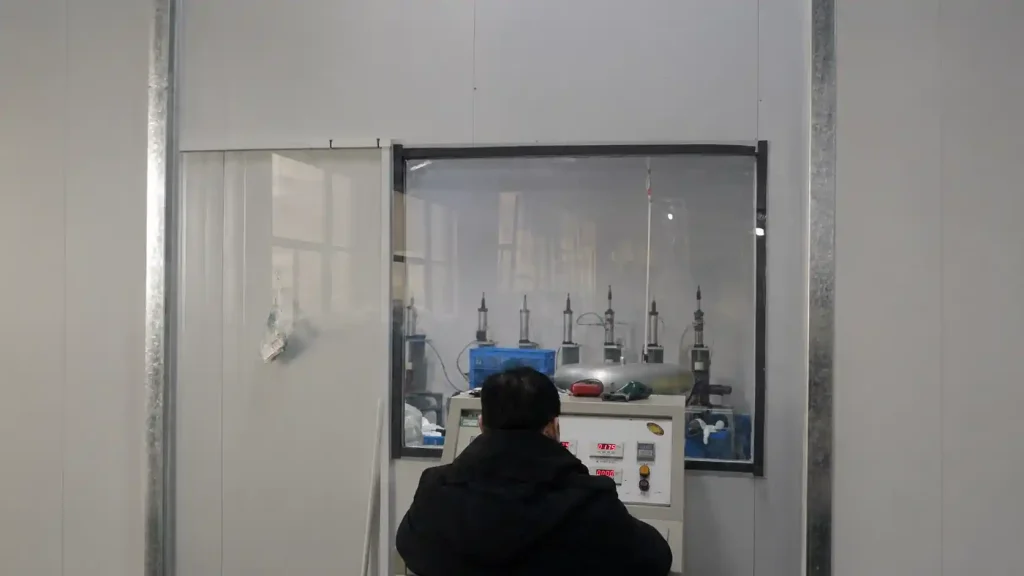
How Do Factory Testing and Product Structure Affect Long-Term Reliability?
Insulation and shielding structure
A Separable Connector must control electrical stress around the cable end and equipment interface. Insulation material, conductive shielding, stress control design, and interface contact quality all affect operating reliability. If the internal structure is unstable, the connection may face partial discharge, surface tracking, overheating, or insulation ageing.
A strong factory should keep product dimensions consistent and material performance stable. For medium voltage use, small differences in molding, assembly, or surface quality can affect installation and long-term performance. This is why procurement should pay attention to product structure, not only the external shape.
Testing and inspection
Testing is another important part of Separable Connector evaluation. Voltage withstand testing, partial discharge control, dimensional inspection, material checks, and routine quality control all help reduce delivery risk. These checks are especially important when a Separable Connector is used in repeated projects or installed across many cabinets.
Factory testing does not replace correct installation, but it can reduce uncertainty before the product reaches the site. Purchasing teams should ask whether the provider can offer stable inspection records, clear product labeling, and consistent packaging. These details help installation teams identify models correctly and reduce errors.
| Procurement Checkpoint | What to Review | Why It Matters |
| Voltage Class | 15kV, 24kV, or project-specific rating | Prevents insulation mismatch |
| Current Rating | 200A or required operating current | Supports stable load operation |
| Cable Compatibility | Cable size, insulation diameter, conductor type | Reduces installation errors |
| Interface Matching | Bushing insert, casing seat, elbow connector | Keeps contact and sealing reliable |
| Accessory Set | Grounding elbow, insulation cap, surge arrester | Supports safety and maintenance |
| Testing Capability | Withstand test, partial discharge control, inspection | Improves delivery confidence |
| Documentation | Model list, drawings, labels, packing details | Helps procurement and installation teams |
| Supply Stability | Lead time, repeat orders, batch consistency | Supports long-term project planning |
What Makes Long-Term Supply Safer Than Choosing by Price Alone?
Technical communication before ordering
A Separable Connector is a technical product, so price comparison should come after model confirmation. Before ordering, the technical provider should understand the voltage level, current rating, cable data, equipment interface, accessory combination, installation environment, and project schedule. Without this information, the lowest price may lead to wrong product selection.
For a purchasing file, it is useful to record drawings, cable specifications, accessory names, quantity, required certificates, packaging method, and delivery batch plan in one document. This makes internal approval easier and gives the technical side a clearer basis for quotation. It also helps avoid a common problem: different departments may use different names for the same part, while the actual interface requirement remains unchanged.
Good technical communication helps purchasing teams avoid repeated clarification, wrong samples, delayed installation, and mismatch with Medium Voltage Cable Accessories. A suitable Separable Connector supplier should be able to discuss the complete system instead of only sending a simple price list.
Stable production and repeat delivery
Long-term projects often require repeated orders. A factory with stable production control can keep product appearance, dimensions, labeling, and packaging more consistent from batch to batch. This matters when the same Separable Connector is used across multiple switchgear panels, cable branch boxes, or substations.
Stable delivery is also important. If a project depends on several related accessories, missing one casing seat, bushing insert, or grounding elbow can delay installation. A complete product range can help coordinate delivery and reduce procurement complexity.
Practical value for purchasing teams
For purchasing teams, the final goal is not only to buy a Separable Connector at a competitive price. The goal is to reduce selection risk, installation risk, maintenance risk, and long-term operation risk. A complete evaluation should compare product compatibility, test capability, technical support, production consistency, and delivery reliability.
When these factors are clear, purchasing teams can make a more stable Separable Connector decision and avoid hidden costs caused by wrong matching, missing accessories, unclear documentation, or inconsistent batches.
Conclusion
Choosing the right Separable Connector manufacturer requires more than checking a catalog model. The product should be evaluated together with voltage level, current rating, cable data, bushing interface, accessory combination, installation environment, testing process, and long-term supply capability.
For 15kV and 24kV 200A American cable accessory systems, products such as loadbreak elbow connectors, bushing inserts, casing seats, grounding elbows, insulation caps, lengthening casings, loadbreak junctions, double-pass casing connectors, and elbow surge arresters can work together as a complete Medium Voltage Cable Accessories solution.
YIEOU provides Separable Connector products and related cable accessories for medium voltage power distribution connection applications, supporting project-based model matching where reliable interface connection, product consistency, and accessory coordination are important.