
Introduction
Medium voltage cable systems need stable insulation, reliable electrical contact, safe equipment interfaces, and convenient maintenance access. In power distribution networks, switchgear systems, transformer connections, ring main units, cable branch cabinets, and compact electrical rooms, the cable connection point is often one of the most important parts of the whole system. If the connection is poorly selected or difficult to maintain, it may affect system reliability and increase long-term maintenance pressure.
A Separable Connector is designed to provide an insulated, removable, and standardized connection between medium voltage cables and electrical equipment. Compared with fixed cable termination methods, it offers more flexibility for installation, inspection, replacement, and future system expansion. This makes it a practical solution for medium voltage distribution systems that need both safety and serviceability.
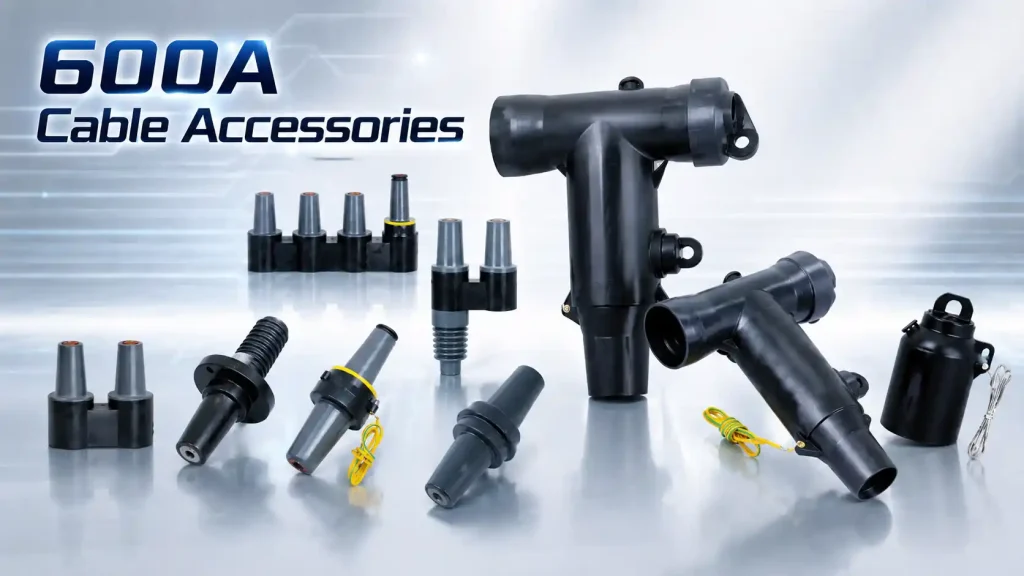
In many 15kV and 24kV applications, a Separable Connector is used together with bushings, protective caps, busbars, and other Medium Voltage Cable Accessories. These components work as a complete connection system, helping maintain insulation continuity, interface compatibility, and easier maintenance planning.
This article explains what a Separable Connector does, why it matters in medium voltage cable systems, how it improves safety, what should be checked before selection, and why a complete accessory system is often more important than choosing a single connector alone.
What Is a Separable Connector and Why Is It Used in Medium Voltage Cable Systems?
A Separable Connector is an insulated cable connection component used in medium voltage power systems. Its main function is to connect a medium voltage cable to electrical equipment such as switchgear, transformers, ring main units, cable branch boxes, and bushing interfaces. The connector is called “separable” because it can be disconnected, inspected, or replaced under proper de-energized and safety-controlled conditions.
This removable structure is one of its most important advantages. In real power distribution systems, cable routes, equipment interfaces, and load requirements may change over time. A system may need future expansion, interface protection, equipment replacement, or cable maintenance. A Separable Connector supports these needs by making the connection structure more modular and easier to manage.
A Practical Interface Between Cable and Equipment
A Separable Connector is not only a cable accessory. It is also an interface solution between the cable and the equipment. The cable side must match the conductor size, insulation diameter, shielding structure, and installation method. The equipment side must match the correct bushing or interface structure.
When these parts are matched correctly, the Separable Connector helps create a stable electrical path and a controlled insulation structure. This is especially important in medium voltage systems, where incorrect matching may lead to insulation stress, weak contact, or installation difficulty.
Why Removable Design Matters
Fixed cable terminations can work well in some systems, but they are not always the most practical choice for equipment that may require future inspection or reconfiguration. A removable connector structure gives the system more flexibility.
For example, if a cable cabinet needs maintenance, if a reserved interface is used later, or if a distribution system needs to add another connection point, a Separable Connector can make the work easier than a fully fixed cable connection. This does not replace standard safety procedures, but it makes the physical connection design more serviceable.
Common Medium Voltage Application Areas
Separable Connector products are commonly used in 15kV and 24kV medium voltage cable systems. These systems may appear in industrial power distribution, commercial facilities, substations, utility networks, renewable energy projects, and infrastructure electrical systems.
In these environments, a connector must provide reliable insulation, correct current capacity, strong mechanical fitting, and compatibility with the equipment interface. A properly selected Separable Connector helps improve connection quality and supports safer long-term operation.
Table 1: Common Separable Connector Components and Their Functions
| Component Type | Main Function | Typical Use |
| Deadbreak Connector | Provides insulated cable connection when operated under de-energized conditions | Medium voltage switchgear, transformers, cable cabinets |
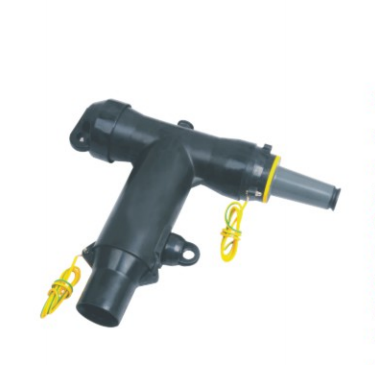
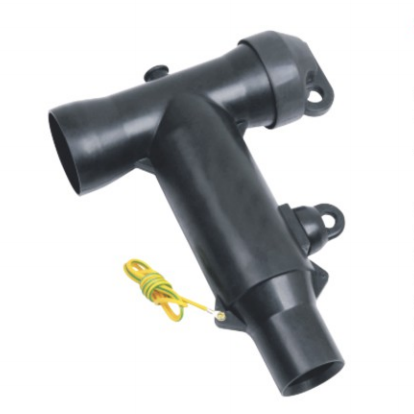
| T-shaped Connector | Supports compact cable connection layout | Equipment interfaces and cable branch systems |
| Bushing Interface | Provides the equipment-side connection point | Switchgear, transformers, ring main units |
| Insulated Protective Cap | Protects unused or reserved interfaces | Spare ports, maintenance protection, future expansion |
| Busbar | Supports current distribution and connection arrangement | Cable branch cabinets and compact distribution systems |
| Mixed Busbar | Helps coordinate different current interface structures | Systems with multiple connection ratings or layout requirements |
How Does a Separable Connector Improve Safety During Installation and Maintenance?
Safety is one of the main reasons a Separable Connector is used in medium voltage cable systems. Medium voltage connections must deal with electrical stress, current flow, insulation performance, mechanical pressure, and environmental influence. A well-designed connector helps reduce risks caused by poor contact, incorrect interface matching, or difficult maintenance access.
Insulation Structure Helps Control Electrical Stress
Medium voltage systems require careful electric field control. If electrical stress is concentrated in one area, insulation may weaken over time. A Separable Connector is designed to help create a controlled insulation structure around the cable connection point.
The connector body, cable preparation area, bushing interface, and accessory matching all affect insulation performance. When these parts work together correctly, the connection can better withstand normal operating stress and reduce the chance of insulation-related problems.
Deadbreak Design Supports Controlled Maintenance
Many medium voltage Separable Connector systems use a deadbreak connection structure. A deadbreak connector is intended to be connected or disconnected only when the circuit is de-energized and proper safety procedures are completed. This design helps support safer maintenance logic in medium voltage systems.
For high-current cable connection points, this controlled approach is especially important. The connection should not encourage unsafe live operation. Instead, it should support clear maintenance procedures, proper system isolation, and safer handling during inspection or replacement.
Protective Accessories Reduce Exposure Risks
A medium voltage system may include unused or reserved interfaces. These positions should not be left exposed. Dust, moisture, accidental contact, and contamination may affect interface quality and long-term reliability.
Insulated protective caps and matching accessories help protect these unused connection points. They also keep the system layout cleaner and more suitable for future expansion. Although these accessories may seem simple, they play an important role in maintaining the safety and readiness of the cable connection system.
Standardized Design Helps Reduce Installation Mistakes
A Separable Connector system usually includes several related parts. The connector, bushing, cable, busbar, grounding structure, and protective accessories must be selected correctly. If one part does not match, the whole connection may become difficult to install or less reliable.
A standardized connection design helps installers identify the correct voltage class, current rating, interface type, and assembly method. This reduces the risk of choosing incompatible components or creating a connection that is mechanically fitted but electrically unsuitable.
What Should Be Checked Before Choosing a Separable Connector?
Choosing a Separable Connector should be based on the full system requirement, not only the connector appearance or a single rating. Medium voltage cable systems need accurate matching between voltage level, current capacity, cable structure, equipment interface, and installation environment.
Rated Voltage
The rated voltage must match the system requirement. Common medium voltage applications may involve 15kV or 24kV systems, but the actual selection should always follow the project design and equipment specification.
If the connector voltage rating is not suitable, the insulation level may not match the operating condition. This can affect system safety and long-term reliability.
Rated Current
The rated current must match the expected load and system interface. Medium voltage systems may use different current structures depending on the equipment and cable design. Higher-current connection points require accessories that can support the required current safely.
The current rating should also match the bushing, busbar, and other connected parts. A connector cannot perform properly if the surrounding accessories are not rated for the same system requirement.
Cable Compatibility
Cable compatibility is essential. The Separable Connector should match the conductor size, insulation diameter, shielding type, and cable construction. If the cable does not match the connector design, installation may become difficult, and the final connection may not achieve stable performance.
Cable preparation also matters. The insulation layer, semi-conductive layer, shielding structure, and conductor must be prepared correctly. A good connector cannot compensate for poor cable preparation.
Equipment Interface
The equipment-side interface must match the connector structure. This may include a bushing, deadbreak interface, front connection interface, or other medium voltage equipment connection point.
Interface mismatch can lead to poor mechanical fitting, weak electrical contact, or insulation problems. Before choosing a Separable Connector, the equipment interface should be confirmed carefully.
Installation Environment
The working environment affects connector selection. Some systems are installed indoors, while others may operate in outdoor cabinets, humid environments, dusty sites, or compact electrical rooms. Temperature, moisture, pollution level, and space limitation should all be considered.
A connector system that works well in a clean indoor cabinet may not be suitable for harsher environments without proper protection. The related Medium Voltage Cable Accessories should also match the environmental condition.
Table 2: Key Selection Factors for Separable Connector Applications
| Selection Factor | What to Check | Why It Matters |
| Rated Voltage | 15kV, 24kV, or project-specific voltage level | Helps ensure insulation suitability |
| Rated Current | System load and interface current rating | Prevents current capacity mismatch |
| Cable Specification | Conductor size, insulation diameter, shielding type | Improves installation reliability |
| Equipment Interface | Bushing type, connector interface, cabinet structure | Ensures correct mechanical and electrical fitting |
| Installation Environment | Indoor, outdoor, humidity, dust, temperature | Affects protection and long-term performance |
| Maintenance Requirement | Inspection access, removable structure, spare interface protection | Makes future service easier |
| Expansion Needs | Reserved ports, busbar layout, future cable branches | Supports long-term system flexibility |
How Can a Separable Connector Support Easier Maintenance and Future Expansion?
A Separable Connector is valuable not only during the first installation, but also throughout the service life of the system. Medium voltage distribution systems often need inspection, load adjustment, cable replacement, or equipment upgrades. A connection structure that is easier to access and manage can reduce maintenance pressure.
Easier Inspection and Replacement
When a medium voltage cable system is designed with serviceability in mind, inspection becomes more practical. A removable connector structure can make it easier to access specific connection points after the system is properly isolated and prepared for maintenance.
If a cable or interface needs to be replaced, a separable connection may reduce the amount of work compared with a fixed termination structure. This is helpful in systems where downtime should be controlled and maintenance efficiency matters.
Better Support for Reserved Interfaces
Many medium voltage systems include spare interfaces for future use. A site may not need all connection points during the first installation, but future expansion may require additional outgoing feeders or new equipment connections.
A Separable Connector system works well with this kind of planning. Reserved interfaces can be protected with suitable accessories, and future connection work can be easier when the system layout has already considered expansion.
More Flexible Cabinet and Cable Layout
Medium voltage cabinets often have limited space. Cable bending radius, connector direction, bushing position, and busbar layout can all affect installation quality. A Separable Connector system gives designers more flexibility when arranging cable connections.
For compact distribution equipment, choosing the correct connector structure and accessory layout can make the cabinet cleaner, easier to inspect, and more practical for future service. This is one reason why a complete accessory system is often preferred over a single connector-focused selection.
Reduced Long-Term Maintenance Pressure
Maintenance pressure often increases when a system is difficult to access or poorly organized. A properly selected Separable Connector can help reduce this pressure by making the connection point more standardized and serviceable.
Over the long term, this can support better inspection routines, faster replacement work, clearer interface management, and more reliable system operation.
Why Does a Complete Medium Voltage Cable Accessories System Matter More Than a Single Connector?
A Separable Connector is important, but it should not be viewed as an isolated part. Medium voltage cable connection reliability depends on the complete system. The cable, connector, bushing, busbar, protective cap, grounding arrangement, and equipment interface must work together.
Matching Accessories Improve Reliability
If the connector is suitable but the bushing is not compatible, the connection may still be unreliable. If the current rating is correct but the busbar layout is not suitable, the system may be difficult to install or maintain. If unused interfaces are not protected, future safety and cleanliness may be affected.
This is why connector selection should be part of a complete Medium Voltage Cable Accessories plan. A coordinated accessory system helps improve insulation continuity, interface compatibility, mechanical fitting, and maintenance convenience.
System Design Should Consider the Whole Cable Path
The cable connection point is only one part of the cable path. The system should also consider cable routing, cabinet space, bending radius, grounding method, interface access, and future expansion.
A Separable Connector can support these requirements when it is selected together with suitable accessories. This helps avoid a situation where one part works well alone but does not fit the actual system layout.
Complete Planning Supports Long-Term Operation
Medium voltage systems are usually expected to operate for many years. During that time, load conditions, equipment arrangements, and maintenance needs may change. A complete accessory system can make these changes easier to manage.
Instead of treating cable connection as a one-time installation task, it is better to treat it as part of long-term system planning. A well-matched Separable Connector system can support safer operation, easier maintenance, and better future adaptability.
Conclusion
A Separable Connector helps medium voltage cable systems become safer, more flexible, and easier to maintain. It provides an insulated and removable connection structure for cables, bushings, switchgear, transformers, ring main units, and cable branch systems. Compared with fixed connection methods, it offers better serviceability and supports future system adjustment.
When choosing a Separable Connector, users should check rated voltage, rated current, cable specification, equipment interface, installation environment, maintenance access, and future expansion needs. The connector should also be selected together with related Medium Voltage Cable Accessories, because the reliability of a medium voltage cable system depends on the full connection structure rather than one component alone.
For projects that require reliable medium voltage cable connection design, YIEOU provides Separable Connector and related Medium Voltage Cable Accessories for different 15kV and 24kV system needs. Its product range can cover 600A connection structures such as mixed busbars, shaped busbars, 600A busbars, integral deadbreak bushings, insulated protective caps, deadbreak T connectors, T-shaped American front connectors, and related deadbreak connector solutions. These options can support different equipment interfaces, cable layouts, and medium voltage distribution requirements while helping users build safer and more maintainable cable connection systems.