
Medium voltage cable systems need connection points that are stable, insulated, and practical to maintain. In switchgear, ring main units, transformers, compact substations, and cable branch boxes, the connection between the cable and the equipment must be easy to identify, correctly matched, and reliable over long service periods.
A Separable Connector helps create this kind of organized cable-to-equipment interface. Instead of making the connection difficult to inspect or replace, a Separable Connector allows the cable system to be built with clearer structure, better interface matching, and more convenient maintenance planning. For projects with multiple connection points or future expansion needs, a Separable Connector can make the whole medium voltage cable layout easier to manage. This is why it is often considered early in project planning.
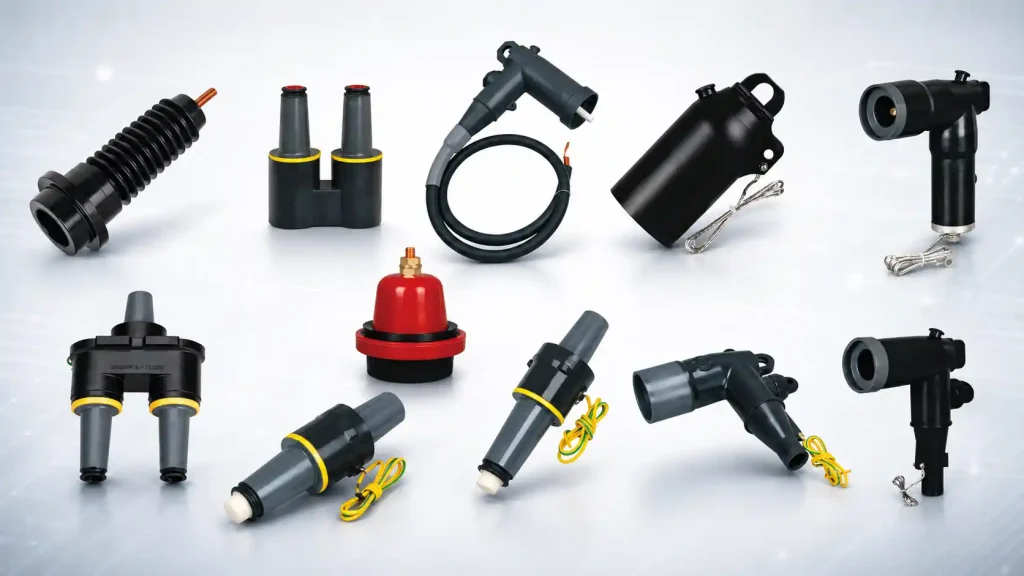
In many installations, a Separable Connector works together with related Medium Voltage Cable Accessories, including bushing inserts, casing seats, grounding elbows, insulation caps, loadbreak junctions, and elbow surge arresters. When these accessories are selected as a coordinated system, the connection can be safer, cleaner, and more practical for daily operation.
What Does a Separable Connector Do in a Medium Voltage Cable System?
A Separable Connector is used to connect a medium voltage cable to electrical equipment through a matched insulated interface. It is commonly found in ring main units, switchgear, transformers, cable branch boxes, and compact substations. The main function of this component is to provide a cable connection that can be installed, identified, separated, tested, and maintained under correct procedures.
Clearer cable-to-equipment connection
In a medium voltage system, the cable does not simply enter the equipment and stop there. It usually needs to match a bushing, casing seat, or other equipment interface. A Separable Connector gives this connection a defined structure, helping installers understand how the cable, connector, and equipment side should fit together.
Better support for inspection and maintenance
A Separable Connector can make maintenance work more manageable because the connection point is easier to identify. This is important in systems where several cables enter the same cabinet or cable branch box. With a suitable connector, inspection teams can locate the connection point more clearly and follow planned maintenance steps with less confusion.
Important part of Medium Voltage Cable Accessories
This component is not usually selected alone. It is part of a wider group of Medium Voltage Cable Accessories that support insulation, grounding, surge protection, branching, and interface matching. When the Separable Connector is coordinated with these accessories, the system becomes easier to install and easier to maintain.
| Application Area | Connection Requirement | How the Connector Helps | Related Accessory Type |
| Ring main unit | Compact cable-to-equipment connection | Provides a matched insulated interface | Loadbreak elbow connector |
| Transformer connection | Stable medium voltage cable entry | Supports clear cable termination | Bushing insert, casing seat |
| Cable branch box | Multiple incoming or outgoing cables | Helps organize connection points | Loadbreak junction |
| Switchgear | Reliable interface matching | Reduces installation uncertainty | Elbow connector, bushing insert |
| Maintenance grounding | Planned grounding operation | Supports safer maintenance procedures | Grounding elbow |
| Surge protection point | Protection near cable interface | Coordinates connection and protection | Elbow surge arrester |
Why Is Interface Matching Important When Choosing a Separable Connector?
Choosing a Separable Connector is not only about checking the voltage label. The connector must match the cable, the equipment interface, the rated current, the insulation structure, and the installation environment. If it does not match the equipment side correctly, installation may become difficult and the final connection may not perform as expected.
Voltage and current rating
Common medium voltage connection systems may involve 15kV, 24kV, and 200A configurations. A Separable Connector should be selected according to the actual voltage level and current demand of the project. When the rating is suitable, the connector can support stable operation under normal system conditions.
Equipment-side interface
The equipment side is just as important as the cable side. A Separable Connector may need to work with a bushing insert, casing seat, single-pass casing joint, double-pass casing connector, or loadbreak junction. If these parts are not coordinated, the connection may not fit correctly, even if the cable side appears suitable.
Cable structure and insulation design
Cable size, conductor type, insulation material, shielding structure, and termination requirements all influence selection. A Separable Connector should match the cable construction so that the electrical field can be controlled properly. This helps the connection remain stable during long-term service.
System layout and expansion needs
Some projects need a simple cable-to-equipment connection, while others require branching, grounding, surge protection, or future expansion. In these cases, the Separable Connector should be chosen together with other Medium Voltage Cable Accessories. Looking at the full layout helps avoid mismatch and makes later system adjustment easier.
How Can a Separable Connector Improve Installation and Maintenance Efficiency?
A well-matched Separable Connector can make the installation process more organized. Medium voltage cable work requires accuracy, and a clear connection structure helps installers understand each part of the assembly. When the connector, cable, and equipment interface are properly coordinated, the connection process becomes more predictable.
More predictable installation
A Separable Connector gives installers a defined interface to work with. This can reduce uncertainty around cable entry, accessory positioning, and equipment matching. In projects with multiple cabinets or connection points, a Separable Connector can help keep the installation method more consistent across the whole system.
Better access during maintenance
Planned maintenance often requires inspection, testing, isolation, or replacement. A Separable Connector supports these activities by making the connection point easier to manage under correct operating procedures. This can help reduce unnecessary downtime and make maintenance planning more practical.
Useful for compact equipment spaces
Modern distribution equipment is often compact. Ring main units, compact substations, and cable branch boxes may have limited space for cable entry and connection work. A Separable Connector is useful in these environments because it creates a more organized connection shape and helps keep the cable layout neat.
Helpful for future changes
Electrical systems may need to change as load demand increases or equipment is upgraded. A Separable Connector can make future adjustment easier because the connection is built around a defined interface. When Medium Voltage Cable Accessories are selected with expansion in mind, the cable system becomes easier to adapt.
| Selection Factor | What to Check | Why It Matters | Example Accessory Direction |
| Rated voltage | 15kV, 24kV, or project level | Supports insulation coordination | Loadbreak elbow connector |
| Rated current | 200A or system requirement | Matches operating capacity | Bushing insert, casing seat |
| Equipment interface | Bushing, casing, or junction type | Prevents installation mismatch | Single-pass or double-pass casing connector |
| Cable specification | Conductor, insulation, shielding | Supports field control | Connector kit and matching accessories |
| Grounding need | Maintenance and safety procedure | Helps planned grounding work | Grounding elbow |
| Protection need | Surge exposure and system risk | Supports overvoltage protection | Elbow surge arrester |
| Expansion plan | Branching or added cable routes | Makes later changes easier | Loadbreak junction |
Which Medium Voltage Cable Accessories Are Commonly Used with a Separable Connector?
A Separable Connector usually works as part of a complete medium voltage cable connection system rather than as a single isolated component. In actual projects, different accessories are selected according to the equipment interface, cable route, grounding requirement, protection need, and maintenance plan. This is why Medium Voltage Cable Accessories should be considered together from the beginning of the design stage.
Cable-to-equipment connection
For the main cable-to-equipment connection, loadbreak elbow connectors are commonly used in American-style medium voltage systems. They help the cable connect with switchgear, transformers, RMUs, and cable branch boxes through a matched insulated interface. In this type of layout, options such as 15kV or 25kV 200A loadbreak elbow connectors may be selected according to the voltage level, rated current, and equipment structure.
Interface matching and extension
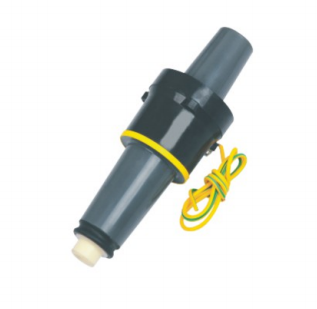
A reliable connection also depends on the equipment-side interface. Bushing inserts, casing seats, single-pass casing joints, and double-pass casing connectors help create the correct connection point between the cable accessory and the equipment. These parts are useful when the project needs a clearer interface, a suitable cable entry direction, or a more organized connection structure inside compact electrical equipment.
Branching, grounding, and protection
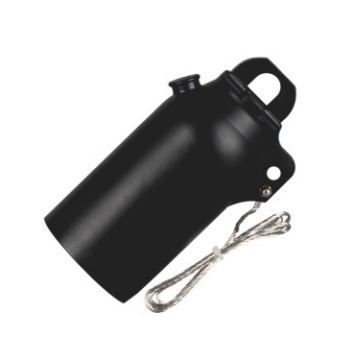
Some medium voltage cable systems require more than a direct cable-to-equipment connection. Loadbreak junctions may be used when the cable layout needs branching or multiple connection points. Grounding elbows support planned maintenance grounding, while insulation caps help protect unused or reserved interfaces. In systems exposed to overvoltage risks, elbow surge arresters can be included to improve protection coordination near the cable connection point.
Practical accessory coordination
Instead of selecting each accessory separately, the better approach is to check how the full connection system works together. For example, a loadbreak elbow connector may need to match a suitable bushing insert or casing seat, while the same system may also require a grounding elbow, insulation cap, or surge arrester depending on the maintenance and protection plan. Product directions such as JY ZT loadbreak elbow connectors, JY DTT bushing inserts, JY TGZ casing seats, JY MP loadbreak junctions, JY JDZT grounding elbows, JY JYM insulation caps, and JY BLQ elbow surge arresters can be considered according to actual project requirements, but the final choice should always follow the cable specification and equipment interface.
How Should a Separable Connector Be Selected for Long-Term System Reliability?
A Separable Connector should be selected with long-term operation in mind. The right choice should match the electrical rating, cable structure, equipment interface, installation environment, and future maintenance plan. If the Separable Connector is selected only by size or price, the system may face avoidable installation or maintenance problems later.
Review electrical performance first
The system voltage, rated current, insulation level, and short-time withstand requirements should be reviewed before choosing a Separable Connector. These factors determine whether the connection can support normal operation and system stress. A suitable Separable Connector helps maintain stable contact and insulation performance.
Consider the working environment
Dust, moisture, heat, outdoor exposure, and limited installation space can all affect accessory selection. A Separable Connector used in an outdoor cable branch box may face different conditions from one used inside an indoor switchgear room. The accessory system should match the real working environment instead of only the drawing.
Coordinate the whole accessory system
Reliable cable connection is rarely achieved by one part alone. The Separable Connector, bushing insert, casing seat, grounding elbow, insulation cap, junction, and surge arrester should be considered together. When Medium Voltage Cable Accessories are coordinated as a full system, the Separable Connector connection becomes easier to install, inspect, and maintain.
Plan maintenance from the beginning
A good design should consider future inspection, testing, isolation, grounding, and replacement. A Separable Connector can support this goal by creating a clearer and more serviceable connection point. For medium voltage systems that need long service life, the Separable Connector should be part of the maintenance strategy from the start.
Conclusion
A Separable Connector plays an important role in medium voltage cable systems because it makes cable-to-equipment connections clearer, more organized, and more practical for long-term maintenance. By matching the correct voltage level, current rating, cable structure, equipment interface, and accessory layout, a Separable Connector can help reduce installation problems and support more reliable system operation.
For projects that require American-style Medium Voltage Cable Accessories, YIEOU provides related product directions such as loadbreak elbow connectors, bushing inserts, casing seats, grounding elbows, insulation caps, loadbreak junctions, casing connectors, lengthening casings, and elbow surge arresters. These accessories can be selected according to actual connection layout, equipment interface, and medium voltage cable system requirements. A well-planned Separable Connector solution can make the cable connection system easier to build, check, and maintain over time.