
Introduction
In medium voltage cable systems up to 24kV, cable connection affects not only power transmission, but also installation safety, maintenance, grounding, surge protection, and future expansion.
A Separable Connector provides a fully insulated plug-in connection between medium voltage cables and equipment such as RMU units, transformers, switchgear, compact substations, and cable branch systems.
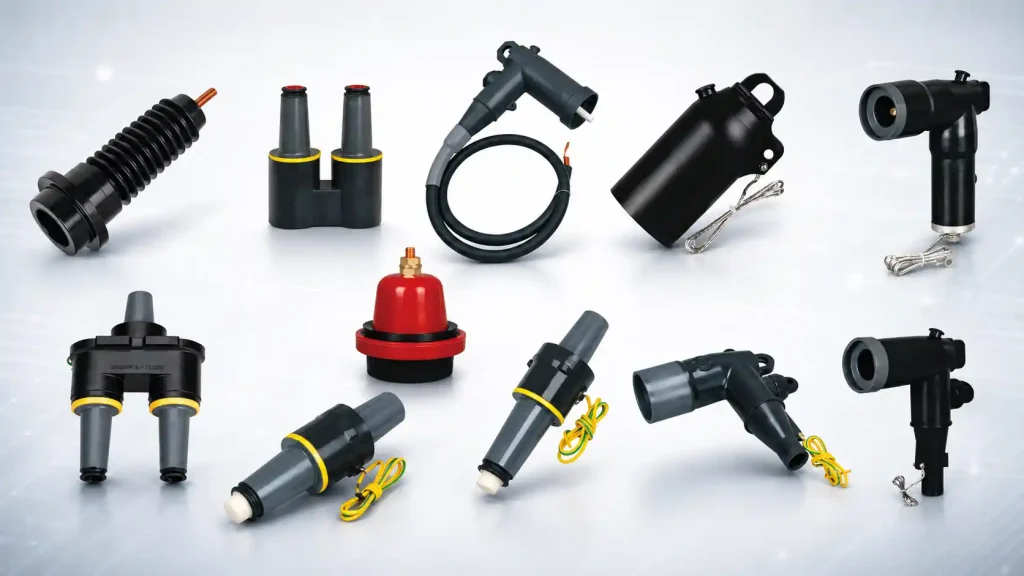
In practical 15kV and 24kV 200A applications, a Separable Connector is usually used together with Medium Voltage Cable Accessories such as loadbreak elbow connectors, bushing inserts, casing seats, loadbreak junctions, grounding elbows, insulation caps, and elbow surge arresters.
These accessories should be selected according to voltage level, current rating, equipment interface, cable layout, grounding needs, and surge protection requirements. Therefore, choosing a Separable Connector means choosing a complete cable connection solution, not just one single product.
What Is a Separable Connector in a Medium Voltage Cable System?
A Separable Connector is a plug-in cable connection component used in medium voltage distribution systems. It connects the cable end to the equipment interface while maintaining insulation, shielding, and electrical continuity.
It is commonly used in:
- RMU cable incoming and outgoing lines
- Transformer cable connection points
- Switchgear cable terminals
- Cable branch boxes
- Compact substations
- Underground medium voltage networks
The key value of a Separable Connector is that the connection can be separated under suitable operating conditions. This makes inspection, replacement, grounding, and system adjustment more convenient than fixed cable termination structures.
A complete connector structure usually includes conductive parts, insulation body, shielding layer, stress control structure, sealing parts, and matched interface parts. These elements work together to protect the connection point and reduce risks caused by poor contact, moisture, dust, or insulation stress.
In actual use, the Separable Connector must also match the cable specification and equipment interface. If the connector body, bushing insert, casing seat, or elbow interface does not match correctly, installation quality and long-term reliability may be affected.
For medium voltage projects, this matching process is especially important. A small mismatch at the interface may cause installation difficulty, unstable contact, or higher maintenance risk later. Therefore, the connector should always be selected together with the related Medium Voltage Cable Accessories.
Where Is a Separable Connector Commonly Used?
A Separable Connector is mainly used where cable systems need reliable connection and easier maintenance. It is especially suitable for compact medium voltage equipment where space is limited and connection points must be clearly arranged.
RMU and switchgear systems
In RMU and switchgear systems, the Separable Connector connects medium voltage cables to equipment bushings. This supports compact installation and makes cable entry, cable exit, or cable replacement easier.
For ring network systems, cable routes may need to be adjusted during expansion or maintenance. A matched connector system helps reduce unnecessary reconstruction and makes the cable layout more flexible.
Transformer connection systems
For transformer cable connection, the connector usually works with a bushing insert or casing seat. This helps match the cable accessory with the transformer interface.
In transformer stations, stable cable connection is very important because the connection point may face load changes, temperature changes, and long operating hours. A correctly selected Separable Connector helps maintain contact stability and insulation protection.
Cable branch systems
In cable branch systems, accessories such as loadbreak junctions and casing connectors help distribute cable routes. This is useful when one power line needs to connect to multiple directions.
For distribution expansion projects, the use of loadbreak junctions or lengthening casings can make the layout easier to adapt. This is especially helpful when the project needs later modification or additional connection points.
Grounding and protection points
Grounding elbows, insulation caps, and elbow surge arresters are often used together with the connector. They support safer maintenance, unused interface protection, and overvoltage protection.
For example, a grounding elbow can support maintenance grounding procedures. An insulation cap can protect an unused interface. An elbow surge arrester can help reduce damage risk caused by switching surges or external overvoltage.
How Should You Select the Right Separable Connector?
The selection of a Separable Connector should follow real system requirements. It should not be selected only by appearance or model name.
Important selection points include:
- Voltage level: common systems include 15kV and 24kV
- Current rating: many American cable accessories use 200A ratings
- Interface type: bushing insert, casing seat, junction, or elbow connector
- Function: connection, grounding, insulation protection, or surge protection
- Installation environment: indoor, outdoor, humid, dusty, or compact space
- Maintenance plan: whether future testing, grounding, or replacement is needed
Table 1: Practical Selection Points for a Separable Connector
| Selection Point | What to Check | Practical Purpose |
| Voltage level | 15kV or 24kV system | Matches insulation requirement |
| Current rating | Common 200A system | Supports stable current flow |
| Interface type | Bushing, casing seat, junction | Ensures correct installation |
| Accessory function | Connection, grounding, protection | Avoids wrong product matching |
| Environment | Indoor, outdoor, humid, dusty | Improves service life |
| Maintenance need | Testing, grounding, expansion | Makes later operation easier |
A correct Separable Connector selection should match the whole cable accessory group, not just one single component.
For example, if the project requires cable-to-equipment connection, a loadbreak elbow connector may be the main product. If the equipment interface needs adaptation, a bushing insert or casing seat may also be required. If the system needs maintenance grounding, a grounding elbow should be considered. If surge protection is needed near the cable connection point, an elbow surge arrester may be added.
Cable layout should also be reviewed before selection. Some systems only need a direct connection, while others need branching, extension, or multiple connection interfaces. In these cases, loadbreak junctions, single-pass casing joints, double-pass casing connectors, or lengthening casings may be needed.
This practical matching process helps reduce installation mistakes and makes later maintenance easier.
Which Medium Voltage Cable Accessories Work with a Separable Connector?
A Separable Connector is usually used as part of a complete Medium Voltage Cable Accessories system. Different accessories complete different tasks.
Common accessory roles include:
- Loadbreak elbow connector: connects cable to equipment
- Bushing insert: matches the equipment interface
- Casing seat: supports connector installation
- Loadbreak junction: supports cable branching
- Grounding elbow: helps with grounding operation during maintenance
- Insulation cap: protects unused interfaces
- Elbow surge arrester: helps reduce overvoltage risk
Table 2: Common Accessories Used with a Separable Connector
| Accessory Type | Main Function | Typical Application |
| Loadbreak elbow connector | Cable-to-equipment connection | RMU, transformer, switchgear |
| Bushing insert | Interface matching | Equipment bushing connection |
| Casing seat | Installation interface support | Cable accessory system |
| Loadbreak junction | Cable branching | Distribution network extension |
| Grounding elbow | Maintenance grounding | Inspection and repair work |
| Insulation cap | Interface protection | Unused connection points |
| Elbow surge arrester | Overvoltage protection | Surge-sensitive systems |
This combination makes the Separable Connector more practical in real medium voltage projects.
In a complete cable accessory system, each part has a clear role. The loadbreak elbow connector handles the main connection. The bushing insert or casing seat provides the matched interface. The loadbreak junction helps distribute cable routes. The grounding elbow supports maintenance safety. The insulation cap protects idle connection points. The elbow surge arrester helps improve protection against overvoltage.
This layered structure is useful because medium voltage systems often need more than one function at the cable connection point. A system may need connection, insulation, grounding, testing, branching, and protection at the same time. Using matched accessories helps these functions work together more smoothly.
For project planning, it is helpful to list the required functions first, then match the accessory type. This avoids choosing products only by model name and makes the final system more practical.
How Can a Separable Connector Improve Installation and Maintenance?
A Separable Connector helps make installation clearer because each accessory has a defined function. When the connector, bushing insert, casing seat, and protection accessories are correctly matched, the installation process becomes more organized.
For installers, this means the cable end, equipment interface, and accessory group can be arranged with a clearer sequence. The plug-in structure also helps reduce confusion during connection work, especially in compact cabinets or cable branch systems.
For maintenance, the benefits are more direct. The system can support easier inspection, safer grounding, interface protection, and component replacement.
Practical maintenance advantages include:
- Less cable reconstruction during replacement
- Easier interface inspection
- Safer grounding with grounding elbow
- Better protection for unused interfaces
- More flexible future expansion
For systems that may need later upgrades, the Separable Connector also gives more layout flexibility. Loadbreak junctions, casing joints, and lengthening casings can help adapt the connection structure to different project requirements.
This is important in real distribution systems because cable routes may change over time. Equipment may be replaced, new branches may be added, or maintenance access may need to be improved. A connector system with matched accessories makes these changes easier to handle.
The Separable Connector also helps reduce downtime in maintenance planning. Instead of rebuilding the cable termination every time the connection point changes, the system can be inspected and adjusted through suitable accessories. This improves operation efficiency and reduces unnecessary labor.
In short, the value of the connector is not only in the first installation. Its long-term value appears during inspection, repair, replacement, and system expansion.
Practical Product Matching for 15kV and 24kV Systems
For American cable accessory systems, product matching should follow the actual system layout.
For cable connection, JY ZT-15/200 15kV 200A Loadbreak Elbow Connector and JY ZT-25/200A Loadbreak Elbow Connector can be considered according to voltage level and interface requirement. These products are mainly used where the cable needs to connect with equipment through a loadbreak elbow structure.
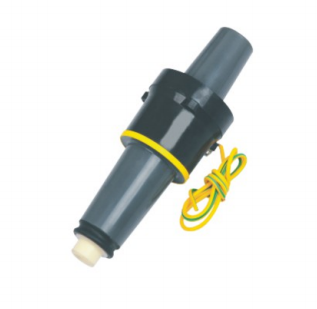
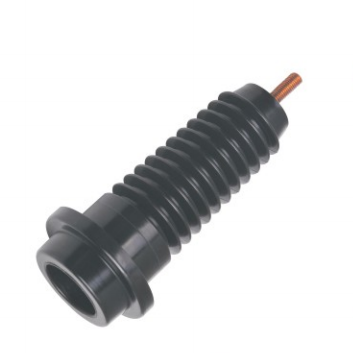
For interface matching, common options include JY DTT-15/200 15kV 200A Bushing Insert, JY TGZ-200 15kV/24kV 200A Casing Seat, JY DTT-24/200 24kV 200A Single-pass Casing Joint, and JY STT-15/200 15kV 200A Double-pass Casing Connector. These components help the connector match the equipment side more accurately.
For branching or extension, JY MP-15kV 200A Loadbreak Junctions and JY JCTGZ 15/200 15kV 200A Lengthening Casing may be selected. These accessories are useful when the cable system needs additional connection points or a more flexible layout.
For grounding, insulation protection, and surge protection, options include JY JDZT-15/200 15kV 200A Grounding Elbow, JY JYM 15kV 200A American Type Insulation Cap, and JY BLQ-17/50 17/50kV Elbow Surge Arrester.
A practical matching plan may follow this logic:
- For normal cable connection, select the correct loadbreak elbow connector.
- For equipment interface matching, confirm the bushing insert or casing seat.
- For branching, add a loadbreak junction if the system layout requires it.
- For maintenance grounding, match the grounding elbow.
- For unused interfaces, use insulation caps for protection.
- For overvoltage protection, consider an elbow surge arrester.
The final choice should always follow the real system voltage, current rating, interface type, cable specification, installation environment, and operating requirement.
Conclusion
A Separable Connector is a practical solution for medium voltage cable systems up to 24kV. It helps connect cables with RMU units, transformers, switchgear, compact substations, and cable branch systems while supporting maintenance, grounding, protection, and future expansion.
For 15kV and 24kV 200A systems, selection should consider voltage level, current rating, interface structure, cable layout, grounding needs, surge protection, and maintenance plans. The connector should be matched with related Medium Voltage Cable Accessories such as loadbreak elbow connectors, bushing inserts, casing seats, loadbreak junctions, grounding elbows, insulation caps, and elbow surge arresters.
YIEOU provides Separable Connector solutions and Medium Voltage Cable Accessories for practical medium voltage cable connection projects.