
Introduction
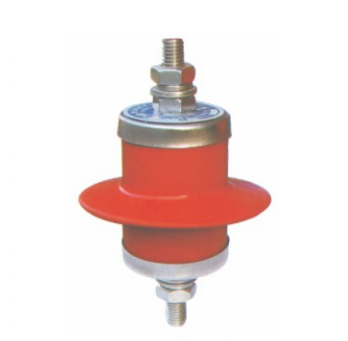
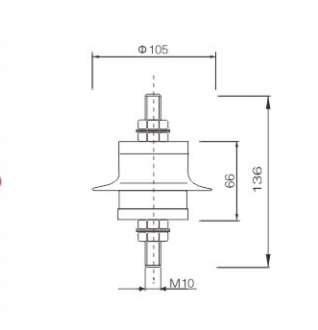
The zinc oxide arrester series HY(YH)2.5WD-0.66~1.14kV stands out as a sophisticated solution for overvoltage protection in the ever-evolving landscape of electrical power systems, ensuring reliable and safe operation is paramount. Among the critical components safeguarding these systems. This comprehensive guide delves into the technical specifications, applications, advantages, and implementation considerations of these essential protective devices. Whether you’re an electrical engineer, facility manager, or procurement specialist, understanding the intricacies of zinc oxide arresters will empower you to make informed decisions for your power infrastructure protection strategy.
Understanding Zinc Oxide Arresters
Zinc oxide (ZnO) arresters represent a significant advancement in overvoltage protection technology. Unlike traditional silicon carbide arresters, which rely on a spark gap mechanism, modern zinc oxide arresters utilize a nonlinear voltage-current characteristic that allows them to conduct large currents when voltage exceeds a certain threshold while remaining virtually insulating under normal operating conditions.
The fundamental principle behind zinc oxide arresters lies in the unique properties of the zinc oxide ceramic material. When manufactured with appropriate additives and sintered at high temperatures, ZnO grains form a microstructure with numerous grain boundaries that create a highly nonlinear electrical characteristic. This behavior enables the arrester to clamp overvoltages effectively while minimizing power losses during normal system operation.
HY(YH)2.5WD-0.66~1.14kV: Breaking Down the Model Designation
To fully appreciate the capabilities of the HY(YH)2.5WD-0.66~1.14kV zinc oxide arrester series, it’s essential to understand each component of its model designation:
- HY(YH): Indicates the product series, with “HY” being the primary designation and “YH” representing an alternative or regional variant.
- 2.5: Specifies the discharge current capacity, typically indicating the ability to handle 2.5kA impulse discharge current.
- WD: Denotes special features, often indicating “outdoor” application and potentially including additional functionalities like leakage current monitoring or disconnecting mechanisms.
- 0.66~1.14kV: Specifies the rated voltage range, indicating these arresters are designed for systems operating between 660V and 1140V.
This systematic naming convention allows engineers to quickly identify the key specifications and applications of each arrester in the series.
Technical Specifications and Performance Characteristics
The HY(YH)2.5WD-0.66~1.14kV series zinc oxide arresters incorporate several technical specifications that make them particularly effective for medium-voltage applications:
Key Electrical Parameters
| Parameter | Specification | Significance |
|---|---|---|
| Rated Voltage | 0.66~1.14kV | Maximum continuous voltage the arrester can withstand |
| Discharge Capacity | 2.5kA | Maximum impulse current the arrester can safely discharge |
| Lightning Impulse Withstand | 10/20μs waveform | Ability to handle lightning-induced surges |
| Operating Temperature Range | -40°C to +40°C | Environmental adaptability |
| Leakage Current | ≤50μA at 75% Uref | Indicates health condition of the arrester |
Material Composition and Construction
The HY(YH)2.5WD-0.66~1.14kV arresters utilize high-quality zinc oxide ceramic discs as the primary varistor material. These discs are manufactured through a precise process involving:
- Preparation of ZnO powder with appropriate dopants (such as bismuth oxide, cobalt oxide, and manganese oxide)
- Pressing the powder into discs under controlled pressure
- Sintering at temperatures exceeding 1000°C to achieve the desired microstructure
- Applying electrodes and grading rings to ensure uniform voltage distribution
The housing typically consists of either silicone rubber or porcelain, with silicone rubber offering superior performance in harsh environmental conditions due to its excellent hydrophobic properties and resistance to tracking.
Technical Advantages of HY(YH)2.5WD-0.66~1.14kV Series
Superior Protection Performance
The HY(YH)2.5WD-0.66~1.14kV series offers exceptional protection through its highly nonlinear voltage-current characteristic. This characteristic allows the arrester to:
- Limit overvoltages to safe levels within microseconds
- Absorb large energy surges without damage
- Provide consistent performance across a wide range of operating conditions
- Minimize power losses during normal operation
Enhanced Durability and Reliability
These arresters are engineered for long service life through several design features:
- Hermetic Sealing: Prevents moisture ingress, a common cause of premature failure
- Pressure Relief Systems: Safely manage internal pressure buildup during extreme fault conditions
- Corrosion-Resistant Materials: Extend service life in harsh environments
- Thermal Stability: Maintains performance characteristics across wide temperature ranges
Maintenance-Friendly Design
The HY(YH)2.5WD-0.66~1.14kV series incorporates features that simplify maintenance and monitoring:
- Leakage Current Monitoring: Allows early detection of potential degradation
- Visual Indicators: Provide clear status information without requiring specialized testing equipment
- Modular Design: Facilitates quick replacement of individual components
Applications in Power Systems
The HY(YH)2.5WD-0.66~1.14kV zinc oxide arrester series finds application across various power system components and environments:
Medium-Voltage Distribution Systems
These arresters are particularly well-suited for medium-voltage distribution networks, where they protect:
- Distribution transformers from switching and lightning surges
- Switchgear and circuit breakers from transient overvoltages
- Cable terminations and joints from insulation stress
- Industrial power systems from voltage transients
Renewable Energy Integration
With the rapid expansion of renewable energy sources, the HY(YH)2.5WD-0.66~1.14kV series plays a crucial role in:
- Protecting solar inverters from grid-induced transients
- Safeguarding wind turbine power electronics
- Ensuring reliable operation of battery storage systems
- Mitigating switching surges in renewable generation facilities
Industrial and Commercial Facilities
In industrial and commercial settings, these arresters provide protection for:
- Motors and adjustable speed drives
- Power quality improvement equipment
- Critical process control systems
- Commercial building electrical systems
Installation Guidelines
Proper installation is critical to ensure the optimal performance and longevity of zinc oxide arresters. The following guidelines should be followed when installing HY(YH)2.5WD-0.66~1.14kV series arresters:
Mounting Considerations
- Orientation: Install arresters in the recommended orientation (typically upright) as specified by the manufacturer
- Clearance: Ensure adequate electrical clearance to adjacent components as per installation standards
- Mechanical Support: Use appropriate mounting hardware to withstand mechanical stresses and seismic events
- Accessibility: Position for easy inspection and maintenance
Electrical Connections
- Conductor Sizing: Use conductors of adequate cross-section to minimize impedance
- Connection Torque: Apply manufacturer-specified torque values to connection points
- Grounding: Ensure low-impedance grounding connections according to IEEE standards
- Surge Distance: Maintain proper distance from other energized components
Environmental Protection
- Enclosure Selection: Choose appropriate enclosures for indoor or outdoor applications
- Contamination Control: Install in locations with minimal pollution or use pollution-resistant models
- Temperature Management: Ensure adequate ventilation in high-temperature environments
Maintenance and Testing Procedures
Regular maintenance and testing are essential to ensure the continued reliability of zinc oxide arresters. The HY(YH)2.5WD-0.66~1.14kV series can be effectively maintained through the following procedures:
Routine Inspection
Visual inspections should be performed at regular intervals to identify:
- Signs of physical damage (cracks, tracking, erosion)
- Discoloration indicating potential overheating
- Corrosion of external components
- Proper functioning of pressure relief systems
- Integrity of sealing systems
Diagnostic Testing
Comprehensive testing should include:
- Leakage Current Measurement:
- Perform at 75% of reference voltage
- Compare with baseline values and manufacturer specifications
- Monitor for increasing trends indicating degradation
- Insulation Resistance Testing:
- Use 500V or 1000V megger
- Compare with previous measurements and acceptable values
- Discharge Counter Verification:
- Ensure proper operation of discharge counters
- Reset after recording counts for analysis
- Thermal Imaging:
- Detect hot spots indicating potential problems
- Compare with infrared images from previous inspections
Periodic Testing Schedule
| Test Type | Frequency | Purpose |
|---|---|---|
| Visual Inspection | Quarterly | Identify physical abnormalities |
| Leakage Current | Annually | Monitor varistor health |
| Insulation Resistance | Every 3 years | Assess overall insulation integrity |
| Discharge Capability | Every 5 years | Verify protection capability |
Trouleshooting Common Issues
Despite their robust design, zinc oxide arresters may occasionally experience issues. The following troubleshooting guide addresses common problems with the HY(YH)2.5WD-0.66~1.14kV series:
Leakage Current Abnormalities
Symptoms: Excessive leakage current or rapid increase over time
Possible Causes:
- Contamination of the housing surface
- Degradation of varistor elements
- Improper installation or grounding
- Voltage exceeding rated values
Solutions:
- Clean the housing surface with appropriate cleaning agents
- Perform diagnostic testing to determine if replacement is necessary
- Verify system voltages are within specifications
- Check and improve grounding connections
Physical Damage
Symptoms: Cracks, tracking, or erosion on the housing
Possible Causes:
- Mechanical stress during installation or operation
- Environmental exposure (UV, temperature cycling, pollution)
- Electrical overstress during fault conditions
Solutions:
- Replace damaged arresters immediately
- Install protective shields in high-stress environments
- Select appropriate arresters for specific environmental conditions
Pressure Relief Activation
Symptoms: Signs of pressure discharge or rupture
Possible Causes:
- Internal fault or severe overvoltage
- Manufacturing defect
- Aging beyond useful service life
Solutions:
- Replace affected arrester
- Investigate system conditions that may have caused the fault
- Implement more frequent inspection schedule for similar units
Comparison with Alternative Protection Technologies
Understanding how zinc oxide arresters compare to other overvoltage protection technologies helps in selecting the most appropriate solution for specific applications.
Zinc Oxide vs. Silicon Carbide Arresters
| Characteristic | Zinc Oxide Arrester | Silicon Carbide Arrester |
|---|---|---|
| Voltage-Current Characteristic | Highly nonlinear | Moderately nonlinear |
| Energy Absorption Capability | Excellent | Limited |
| Continuous Operating Voltage | Can withstand system voltage | Requires series gaps |
| Response Time | Faster | Slower |
| Size & Weight | Smaller and lighter | Larger and heavier |
| Maintenance Requirements | Minimal | Regular gap adjustment needed |
Zinc Oxide vs. Surge Arresters with Gaps
Modern surge protection devices often combine zinc oxide varistors with spark gaps to provide enhanced protection:
- Advantages of Gapless Design:
- No gap maintenance required
- Better performance under continuous overvoltage
- More compact size
- Improved reliability
- Advantages of Gapped Design:
- Can handle higher temporary overvoltages
- Reduced leakage current
- Better thermal stability in extreme conditions
Zinc Oxide vs. Voltage-Dependent Resistors (VDRs)
While both utilize zinc oxide technology, VDRs typically:
- Have less pronounced nonlinear characteristics
- Offer lower energy absorption capability
- Are more suitable for low-voltage applications
- Require more frequent replacement
Selection Criteria for HY(YH)2.5WD-0.66~1.14kV Series
When selecting zinc oxide arresters for specific applications, consider the following factors:
System Voltage Considerations
The HY(YH)2.5WD-0.66~1.14kV series is designed for systems with voltages ranging from 660V to 1140V. Key considerations include:
- Maximum Continuous Operating Voltage: Must exceed the system’s highest expected continuous voltage
- Temporary Overvoltage Withstand: Should accommodate system-induced temporary overvoltages
- Rated Frequency: Must match the system frequency (typically 50Hz or 60Hz)
Environmental Factors
Select appropriate models based on installation environment:
- Pollution Severity: Choose pollution-resistant grades for high-contamination areas
- Temperature Range: Verify compatibility with local climate conditions
- Altitude: Consider derating for installations above 1000 meters
- Outdoor vs. Indoor: Select appropriate housing and sealing for the location
Application-Specific Requirements
Different applications may have specific requirements:
- Renewable Energy: Look for enhanced thermal cycling capability
- Industrial Environments: Consider vibration resistance and mechanical robustness
- Harmonic-Rich Systems: Verify compatibility with waveform distortion
- Space-Constrained Installations: Select compact models with appropriate creepage distances
Industry Standards and Compliance
The HY(YH)2.5WD-0.66~1.14kV zinc oxide arrester series complies with various international standards and specifications:
Key Standards
- IEC 60099-4: Metal-oxide surge arresters for a.c. systems
- IEEE C62.11: Standard for metal-oxide surge arresters for AC power circuits
- GB 11032: Surge arresters for AC power systems (Chinese standard)
- UL 1449: Surge protective devices for use in power distribution systems
Testing and Certification
The series typically undergoes rigorous testing to ensure compliance:
- Type Tests: Verify design compliance with standards
- Routine Tests: Ensure quality of each production unit
- Special Tests: Validate performance under specific conditions
Future Trends in Zinc Oxide Arrester Technology
The field of overvoltage protection continues to evolve, with several emerging trends affecting zinc oxide arrester design and application:
Smart Monitoring Integration
Future arresters will increasingly incorporate advanced monitoring capabilities:
- Real-time condition monitoring through integrated sensors
- Wireless communication for remote status reporting
- Predictive maintenance algorithms based on performance data
- Integration with smart grid systems for coordinated protection
Advanced Materials
Material science advancements will lead to:
- Improved varistor formulations with enhanced nonlinear characteristics
- Nanotechnology-enhanced components for better performance
- Eco-friendly materials reducing environmental impact
- Self-healing properties extending service life
Enhanced Protection Strategies
Future systems will employ more sophisticated protection approaches:
- Coordinated protection systems with multiple arrester types
- Dynamic response technologies adapting to changing system conditions
- Artificial intelligence-optimized protection schemes
- Hybrid protection solutions combining different technologies
Conclusion
The zinc oxide arrester series HY(YH)2.5WD-0.66~1.14kV represents a sophisticated solution for overvoltage protection in medium-voltage electrical systems. With its superior nonlinear characteristics, robust construction, and versatile applications, this series provides reliable protection against lightning and switching surges while minimizing power losses during normal operation.
By understanding the technical specifications, proper installation procedures, maintenance requirements, and selection criteria, electrical professionals can maximize the effectiveness and longevity of these protective devices. As power systems continue to evolve with increasing renewable integration and smart grid technologies, zinc oxide arresters like the HY(YH)2.5WD-0.66~1.14kV series will remain essential components in ensuring the reliability and safety of electrical infrastructure.
Investing in quality overvoltage protection is not merely a compliance consideration but a strategic decision that protects valuable equipment, ensures continuous operation, and enhances overall system resilience. The HY(YH)2.5WD-0.66~1.14kV series, with its proven performance and adaptability to various applications, stands as a reliable choice for engineers and facility managers seeking optimal power system protection.