
200A 可分离连接器 system may include more connection points than the project needs during its initial operating stage. A loadbreak junction may have an unused way, a pad-mounted transformer may include a spare bushing position, or a cable branch box may reserve an interface for future expansion.
These spare ports cannot be left exposed. They remain part of the medium-voltage insulation system even when no cable is connected. Dust, moisture, physical damage, incorrect accessories or incomplete grounding can weaken the interface and create unnecessary operating risks.
The correct protection method depends on the intended condition of the port. An energized spare interface normally requires a compatible insulated protective cap. A de-energized interface prepared for maintenance may require a grounding elbow. A port assigned to overvoltage protection may use an elbow surge arrester. These accessories may fit within the same 200A connection family, but they do not perform the same function.
YIEOU supplies American-style 200A cable accessories including loadbreak junctions, grounding elbows, insulated protective caps, casing components and elbow surge arresters. Matching these products as one connection system helps prevent a spare port from becoming the weakest point in the installation.
An Energized Spare Port Needs an Insulated Protective Cap
The normal solution for an energized but unused 200A interface is a correctly rated insulated protective cap.
A spare interface is not electrically inactive simply because no cable is connected. It may still be connected to an energized junction, transformer bushing, feed-through component or other medium-voltage device. The open interface therefore requires the same attention to insulation, sealing and shielding as an active cable connection.
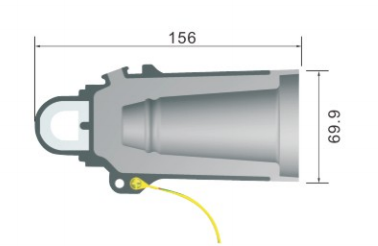
YIEOU’s JY JYM 15kV 200A American-type insulation cap is designed to electrically insulate and mechanically seal a loadbreak bushing interface. When properly mated and grounded through its drain wire, it provides a fully shielded, submersible insulating cover. It can be used for temporary or permanent protection on compatible 200A bushings, junctions and insulated standoff bushings.
The cap must match the complete interface.
The words “15kV” and “200A” are not the only information that matters. The protective cap must also match the physical interface family, mating dimensions and equipment-side component.
A cap that appears to fit may still fail to seat completely. Incomplete engagement can create a gap, reduce sealing pressure or disturb the intended electric-field control. For this reason, the equipment bushing, junction or standoff interface should be identified before the cap is ordered.
Where equipment drawings are available, the interface information should be checked against the proposed accessory. A product photograph alone is not enough to confirm compatibility.
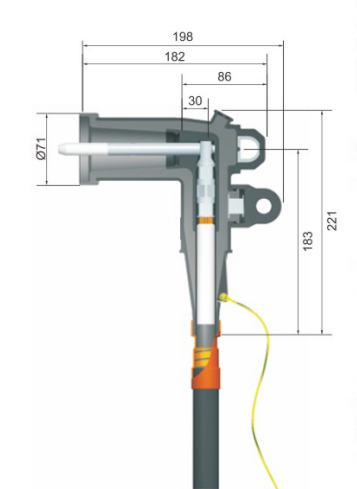
The drain wire must be connected correctly.
A screened insulated cap normally includes an external conductive layer and a grounding lead or drain wire. This grounding arrangement helps maintain the intended external surface condition after the cap is installed.
The grounding lead should not be treated as an optional packaging detail. It must be connected according to the product instructions and the project grounding design. A loose, damaged or unconnected drain wire can prevent the cap from providing its intended screened configuration.
The grounding point should also remain accessible for inspection. Hiding the lead behind unsupported cables or sharp metal edges makes future checking more difficult and may expose it to mechanical damage.
A Shipping Cap Cannot Protect an Energized Interface
Temporary transport covers and dust caps are not substitutes for an energized-service insulation cap.
Equipment bushings, junctions and cable accessories may be supplied with protective covers to keep the interface clean during transportation, storage or assembly. These covers are useful before installation, but their presence does not prove that they have the insulation, shielding or sealing performance required for an energized medium-voltage connection.
Transport protection ends before energization.
A shipping cap is generally intended to prevent dust, scratches or packaging debris from reaching the interface. Its role ends once the equipment is prepared for service.
Before energization, every unused port should be reviewed. The installer should determine whether the existing cover is an operational insulated protective cap or only a temporary shipping component. When the identification is unclear, the interface should not be energized until the accessory is confirmed.
This is especially important during equipment replacement. A pad-mounted transformer or sectionalizing cabinet may arrive with several covered ports, but the covers may not all be intended for energized operation.
A loose cover does not provide a sealed interface.
Even a correctly rated cap cannot protect the system if it has not reached its final seated position. The interface should be clean, lubricated where specified and assembled according to the installation instructions.
Forcing a cap onto a contaminated or damaged bushing can trap particles between the mating surfaces. This may affect sealing and create local electrical stress. The cap should never be hammered, modified or pushed into place with unsuitable tools.
The final assembly should be checked for correct engagement, secure grounding and adequate mechanical clearance.
A Grounding Elbow Does Not Replace an Insulation Cap
A grounding elbow serves a maintenance and safety function. It is not a general-purpose cover for an energized spare port.
YIEOU’s JY JDZT-15/200 15kV 200A grounding elbow is intended to provide a visible grounding point in compatible underground and medium-voltage cable systems. It can connect with a suitable bushing insert or related 200A interface after the circuit has been isolated and handled under an approved grounding procedure.
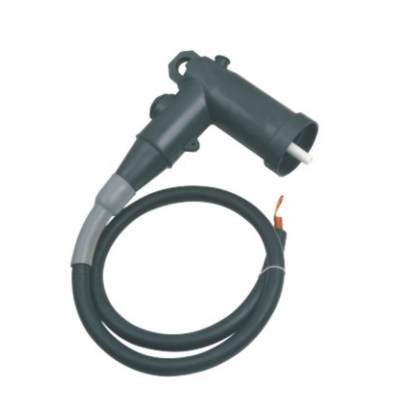
The circuit must be de-energized first.
A grounding elbow should only be installed after the circuit has been isolated, tested and confirmed de-energized. Its presence does not remove the need for voltage verification, switching control, lockout procedures or qualified personnel.
Installing a grounding elbow on an energized interface would misuse the accessory and create a serious hazard. The fact that it belongs to the same 200A interface family does not make it interchangeable with an insulated cap.
For a spare port that remains energized during normal operation, the correct accessory is usually an insulated protective cap—not a grounding elbow.
Grounding elbows support planned maintenance.
接地肘在电缆回路在检查、维修或设备更换期间必须保持可见接地时很有用。它们有助于在兼容的可分离接口处建立明确定义的维护条件。
例如,可以使用负荷断开连接器来分段电缆线路并隔离故障段。一旦电路被切换、测试并确认断电,接地肘可能构成批准的工作安排的一部分。YIEOU 的 15kV 200A 负荷断开连接器适用于设备安装,如就地安装的设备和地下电缆井中的分段、环路、分支、接头和设备更换。
维护完成后,应按照批准的程序拆除接地肘。如果接口恢复到带电备用状态,则必须为其安装正确的绝缘保护盖。
浪涌保护器使用端口进行保护
当端口被指定用于过电压保护时,可以在兼容的 200A 接口上安装肘部浪涌保护器。
不应仅仅因为有可用备用端口就选择它。此决定必须来自网络保护设计。
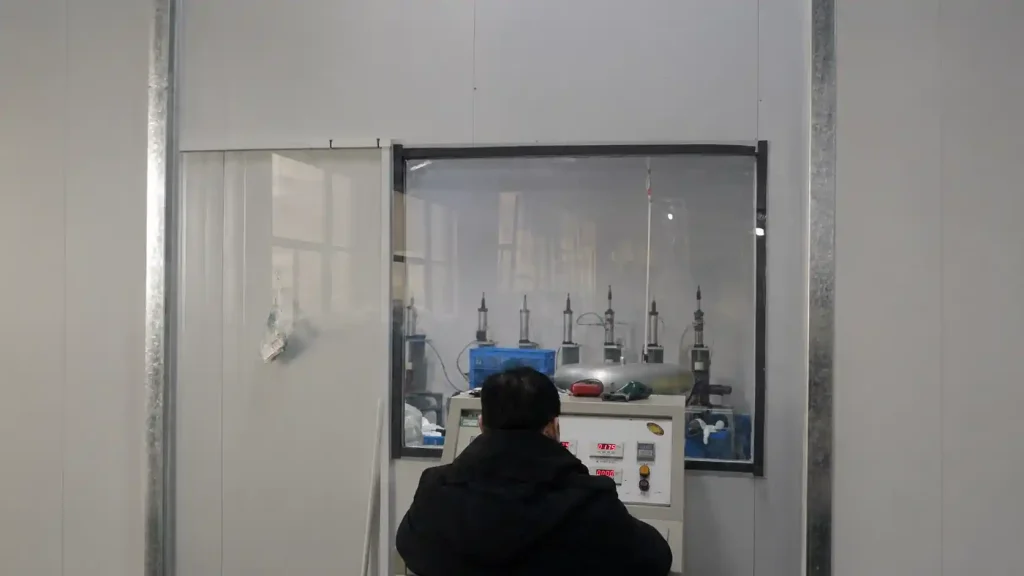
YIEOU 的 JY BLQ-17/50 弯头浪涌保护器专为安装在兼容的 200A 负荷隔离开关套管接口而设计。它用于限制输入的过电压波,并保护中压电缆、变压器、开关设备及相关设备。
物理上的契合并不保证电气上的适用性。
浪涌保护器必须匹配的不仅仅是套管接口。项目还必须确认系统电压、保护器额定电压、连续工作电压、标称放电电流和接地方式。
仅因端口匹配而选择的避雷器可能无法与电网正确协调。系统中性点接地方式、绝缘水平和上游保护装置也会影响避雷器的选择。
这意味着一个备用接口不能在未经电气审查的情况下自动转换为浪涌保护点。
浪涌抑制器改变了端口的功能。
一旦安装了肘部浪涌抑制器,端口就不再是简单地闲置。它成为过电压保护系统的一个活跃部分。
因此,其接地连接、表面状况和机械就位情况应包含在例行检查中。损坏、污染或连接松动会影响预期的保护效果。
在系统不需要在该位置安装避雷器的区域,正确额定值的绝缘保护帽仍然是带电备用接口更合适的解决方案。
备用接线端口需要与设备套管相同的保护
未使用的负载断开连接点需要与备用变压器或开关设备接口同等的关注。
接头可提供多个连接点,用于电缆分段、环路、分支或未来扩展。在项目的第一阶段,只有其中一些连接点会连接到带负荷启断的肘形接头。其余端口仍属于带电接头组件,必须妥善保护。
YIEOU 的 JY MP-15kV 200A 负荷隔离开关接头,专为额定值为 15kV 的负荷隔离开关电缆接头而设计,可用于柱上设备和地下电缆井等装置。当与兼容的组件匹配时,该接头支持全屏蔽、可分离的电缆配置。
每条通电的线路都需要一个额定配件。
在系统通电前,未使用的接线端口应盖上兼容的绝缘保护帽。临时的塑料盖、开放式接口或松散安装的组件均不足以满足要求。
盖帽应与接头保持相同的电压、电流和接口系列。其接地引线应连接好,安装时应留有足够的空间以便检查和日后拆卸。
当该端口日后用于网络扩展时,可在批准的操作规程下取下盖帽,并更换为兼容的负载断开肘管或其他计划好的附件。
未来的扩张必须经过电气审查。
保护一个备用端口并不能确认网络能够支持额外的馈线。
在使用预留接口之前,项目应审查:
- 可用电路容量
- Cable conductor size
- 变压器加载
- 保护设置
- 故障电流水平
- 结点额定值
- 接地装置
- 线缆布线和操作空间
200A 连接点的物理可用性只是扩展决策的一部分。
不同的港口条件需要不同的配件
应根据接口的实际情况和预期作用来选择配件。
表 1:200A 备用接口的保护方法
| 接口状态 | 合适配件 | 主要目的 | 关键检查 |
| 精力充沛,未被使用 | 绝缘保护帽 | 隔热、密封和屏蔽 | 确认接口兼容性和接地 |
| 停电检修 | Grounding elbow | 建立一个可见的接地连接点 | 测试并确认电路已断电 |
| 分配至浪涌保护 | 弯头浪涌抑制器 | 限制雷电和操作过电压 | 确认系统电压和保护协调 |
| 运输途中临时覆盖 | 运输盖或防尘盖 | 安装前防止污染 | 移除或验证后方可通电 |
| 预留用于未来电缆连接 | 绝缘保护帽 | 保护港口直至扩建 | 使用前请重新检查负载和保护容量 |
| 连接到运行中的电缆 | 负荷隔离开关肘型连接器 | 完成电缆到设备的连接 | 匹配电缆尺寸、触点和衬套接口 |
这一区别应体现在设备图纸、材料清单和现场标识中。仅仅将每个已覆盖的接口标记为“备用”是不够的。图纸应显示端口是否带电、接地、分配给浪涌保护还是预留给未来的电缆回路。
界面必须保持清洁完好
一个备用端口可能会闲置数月甚至数年。在此期间,必须保持其完好。
即使安装了绝缘帽,施工或维护过程中的不当操作也可能损坏接口。牵引电缆的设备、工具、松动的硬件和未支撑的导体可能会撞击绝缘帽或接地引线。
组装前请清洁接口。
应检查配合表面是否有灰尘、水、金属颗粒、包装残留物和物理损坏。清洁材料和润滑剂应适用于特定附件。
不应使用过多的润滑剂来掩盖划痕或弥补配合不良。损坏的衬套或盖应予以更换,而不是强行使用。
在检查过程中取下盖子的地方,重新组装前应再次清洁两个配合面。将取下的盖子放在地上或不干净的柜面上可能会引入污染物。
保护端口免受线缆力的影响。
保护盖并非设计用来承受附近电缆的重量或弯曲力。电缆布线应防止导线压迫到保护盖、接地引线或相邻的接线接口。
这在紧凑型电缆分支箱和变压器隔室内尤为重要。在电缆端接之前,布局可能看起来是可以接受的,但在安装后,导线的刚度会产生很大的力。
因此,在设备制造或安装之前,应规划好足够的电缆支撑、弯曲间隙和操作空间。
项目中必须包含备用端口。
备用接口保护应在系统设计阶段确认,而不是留给安装团队在现场决定。
单线图可以显示电气线路,但不能显示每个套管或接线点的物理状况。因此,设备布局图和物料清单应标明安装在每个连接点的附件。
每个端口都需要定义其运行条件。
项目文档应指明每个端口是:
- 连接到运行中的电缆
- 充满活力,已封顶
- 断电并接地
- 连接到浪涌保护器
- 留待日后扩展
- 用作临时停车或测试位置
这可以避免在制造、组装和调试过程中出现混淆。
例如,一个只有三根运行电缆的四向连接点,仍然需要为第四个方向确认一个附件。如果无法获得正确的盖板,将决定推迟到调试阶段可能会导致通电延迟。
附件列表必须与接口数量匹配。
在审查订单时,应将盖子、接地肘管、浪涌保护器和负载断开肘管的数量与设备接口的数量进行比较。
检查应包括单独供应的变压器套管、接线盒和支架位置。当主要关注点放在电缆、变压器和开关设备上时,小型附件很容易被忽略。
在益欧,我们可以在生产前通过项目图纸、设备接口信息和所需配件数量来审查建议的 200A 配置。这比仅凭产品名称单独选择每个组件更可靠。
YIEOU 确认 200A 配置完成
可靠的备用端口配置取决于协调的制造和技术确认。
YIEOU 生产一系列美式中压附件,包括 200A 负荷隔离开关接头、接地肘管、绝缘保护帽、外壳组件和肘管浪涌保护器。由于这些附件可能出现在同一个连接系统中,因此应一并审查它们的接口和预期功能。
产品匹配始于项目数据。
在确认配置之前,以下信息很有用:
- System rated voltage
- 设备套管或接线盒型号
- 界面绘图
- 活动端口和备用端口数量
- 每个备用端口的预期状态
- 接地装置
- 浪涌保护要求
- 室内、室外或潜水安装条件
- 未来扩张计划
- 所需产品标签和包装
这些信息使我们能够区分带电的备用接口、维护接地点或浪涌保护位置。
样品可以在批量生产前确认合身。
为了 原始设备制造商,分销或项目订单,可在批量生产前使用样品来审查接口匹配度、标记、包装和配置细节。YIEOU 的制造支持包括技术确认、样品协调、生产安排、质量控制以及中高压电器附件的长期供应合作。
样品确认的目的不仅仅是检查外观,它还有助于验证所选配件是否与设备接口和项目图纸相符。
一个正确保护的备用端口应被视为已完成系统的一部分,而不是在所有其他东西都订购完毕后才添加的附件。
通电前必须消除常见的备用端口错误
通过最终的界面检查可以避免几个反复出现的错误。
请勿将运输盖留在服务中。
确认所有带电的备用接口都装有可操作的绝缘保护盖,而不是运输盖。
请勿将接地肘作为普通盖帽使用。
接地肘属于经批准的断电维护程序。它不能替代带电端口上的绝缘盖。
请勿在未进行系统协调的情况下安装浪涌保护器。
肘式浪涌抑制器必须与电网电压和保护设计相匹配。仅有一个可用端口不足以安装浪涌抑制器。
请勿忽略接地线。
接地线或接地引线应牢固连接,并远离尖锐边缘、运动部件和未固定的电缆。
不要假设外观相似的零件可以互换。
电压等级、电流等级、接口尺寸和附件系列必须全部匹配。
请勿激活未知接口。
在无法确认用途或附件额定值的情况下,该端口应保持停用状态,直至文件和组件经过检查。
常见问题解答
一个带电的200A备用端口可以留空吗?
不。带电的备用接口应安装兼容的绝缘保护盖,该保护盖可提供所需的绝缘、密封和屏蔽。
带电后,衬套上的运输盖可以保留吗?
仅当其被明确识别并评定为带电作业防护附件时。不应假定普通的运输罩或防尘罩适用。
接地肘是否适用于带电备用接口?
否。接地弯头只能在电路隔离、测试并根据批准的程序确认已断电后安装。
肘式浪涌抑制器能否安装在任何可用的200A端口上?
否。接口必须兼容,并且避雷器必须与系统电压、接地方式和保护协调要求相匹配。
订购备用端口配件时应提供哪些信息?
提供系统电压、设备接口或套管信息、备用端口数量、每个端口的预期状况、接地布置和项目图纸。
结论
一个备用端口 200A separable connector 系统仍然是中压绝缘装置的活动组成部分。不得将其暴露在外或用未识别的临时覆盖物保护。
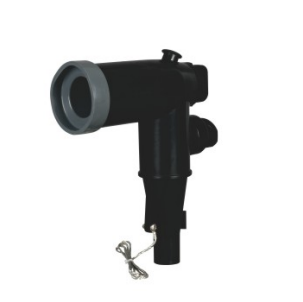
一个带电的未使用端口通常需要一个兼容的绝缘保护帽。维护期间使用的失电接口可能需要接地肘管。分配给过电压保护的端口可以使用肘式避雷器。这些附件可能属于同一个200A接口系列,但它们不能相互替代。
可靠的保护还取决于正确的安装、清洁的连接表面、牢固的接地、足够的电缆间隙和清晰的项目文档。在通电前,应确认每个连接点、变压器套管和预留接口的状态。
YIEOU 可根据您的系统电压、设备接口、端口布局和项目图纸,匹配美式 200A 可分离连接器配件。 Contact us 以确认贵公司电缆连接系统的正确绝缘帽、接地肘管、接头和浪涌保护附件。